
Advanced Technology
Advanced Dental Technology in Smyrna, GA
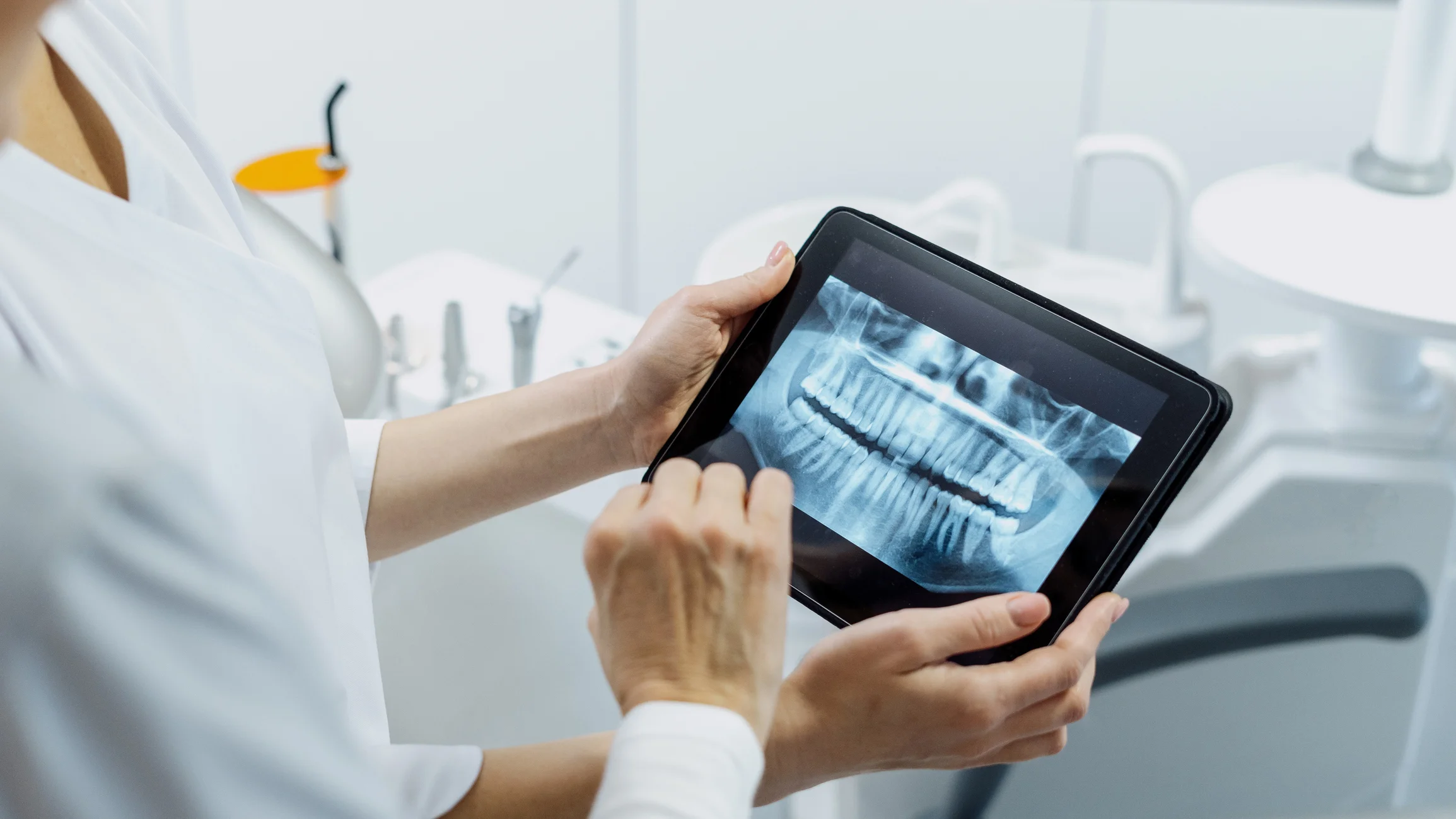
Digital scans, 3D imaging and digital X-rays help us diagnose precisely, show you what we see and plan care that is more predictable and comfortable.
Patient-First Care
Our Commitment to Modern, Patient-First Care
At Smyrna Dental Studio, we believe modern, high-quality dentistry combines compassionate care with modern technology. We have invested in modern dental tools that help make each diagnosis precise and each treatment more comfortable. Our technology isn’t just about faster appointments; it’s about safer, more predictable and more convenient care.
We understand that visiting the dentist can be stressful. That’s why we’ve carefully selected technology that supports your comfort and trust. From digital scans that replace “goopy” impressions to 3D imaging that gives a clear view of your anatomy, our tools are designed with your experience in mind. They help us be more precise, catch problems earlier and plan complex treatments with greater accuracy.
Our Technology
The Technology Behind Your Care
Each tool below has one job: to help your dentist see more clearly and help you understand your options.
Single-visit crowns
Digital design and in-office milling for a ceramic crown in one appointment.
Single-visit crowns
CBCT 3D imaging
A 3D view of teeth, jaw, sinuses and nerves for implant and treatment planning.
3D imaging for implants
Laser cavity detection
Laser fluorescence that can flag early decay in grooves and under enamel.
Dental fillings
Digital X-rays
Images on screen in seconds, typically with less radiation than film.
Intraoral cameras
A pen-sized camera that lets you see what we see, magnified on a monitor.
Guided Biofilm Therapy
A gentle powder and water spray method our hygienists use for cleanings.
Dental cleanings

Single-Visit Crowns
Single-Visit Crowns: Digital Design and In-Office Milling
What is a single-visit crown?
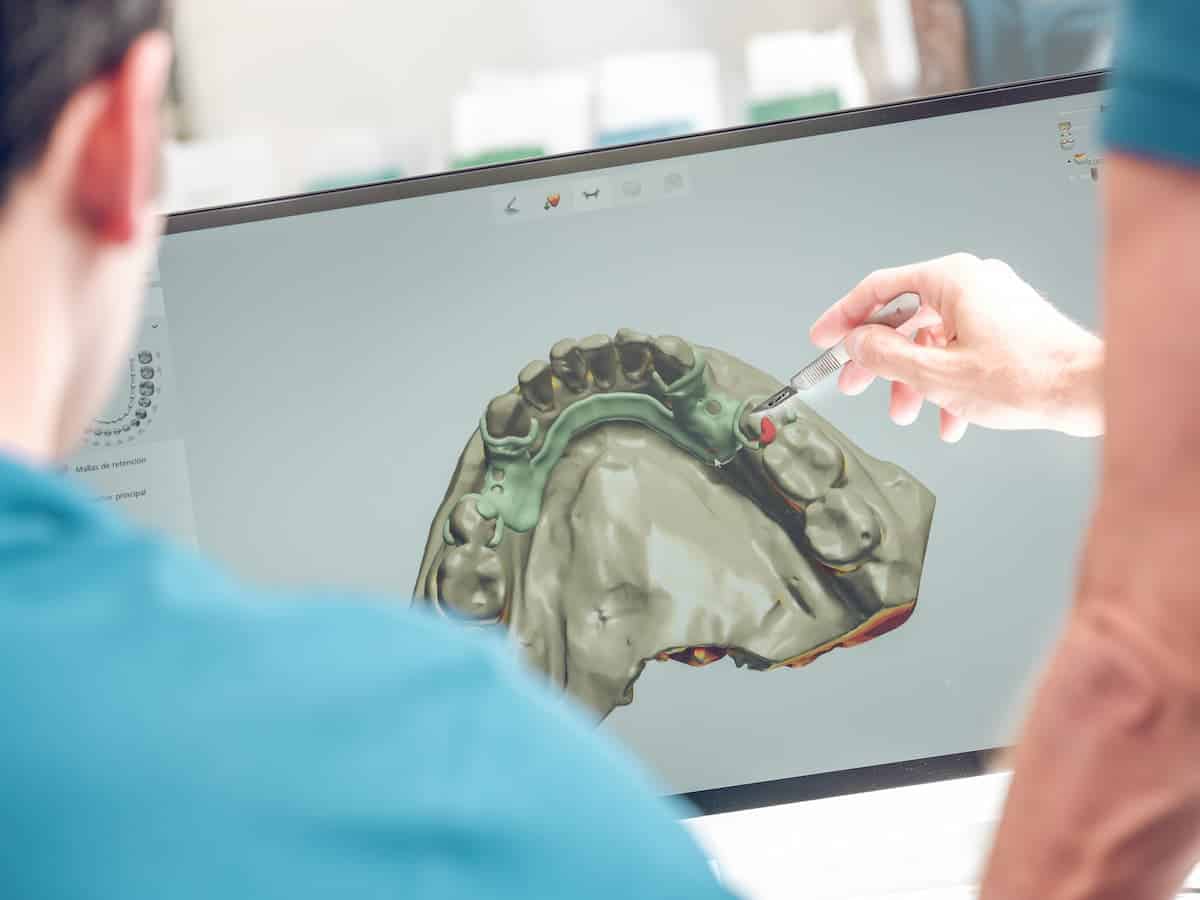
A single-visit crown is made with CAD/CAM technology that lets us design, mill and place a ceramic crown, inlay or onlay in one appointment. Using a digital scanner, we create a 3D model of your tooth, no messy putty impressions required. That model is sent to our in-office milling unit, which shapes your custom restoration from a solid block of dental ceramic while you wait.
The benefit to you
One appointment: What often takes two or three visits over several weeks can usually be done in one appointment. Your dentist will tell you how long to plan for.
Usually no temporary crown: Because your crown is made at the same visit, you usually skip a temporary that can feel bulky or come loose.
Precise fit: The digital design is built for an accurate, comfortable fit.
Natural look: The ceramic restoration is metal-free and shaded to blend with your natural teeth.
3D Imaging
CBCT 3D Imaging: Planning With Greater Precision
What is a CBCT scan?
Cone-beam computed tomography (CBCT) creates a 3D image of your teeth, jaw, sinuses and nerve pathways. While a standard X-ray provides a 2D view, a CBCT scan gives a 360-degree view of your oral structures that is impossible to see with the naked eye.
The benefit to you
Implant planning: For procedures like dental implant placement, we can map the location of nerves and bone, which helps make surgery safer and more predictable.
Clearer diagnosis: CBCT imaging helps us find the source of complex pain, identify hidden infections around root canal treated teeth and assess bone quality.
Better treatment planning: It serves as a digital roadmap for complex smile makeovers, extractions and implant-supported dentures.
Lower radiation than a medical CT: The scan is quick and typically uses a lower radiation dose than a conventional medical CT scan.
Dr. Raheel Thobhani, DMD, places dental implants at our office. Meet Dr. Thobhani
Early Detection
Laser Cavity Detection: Finding Decay Early
How does laser cavity detection work?
We use a non-invasive laser fluorescence tool for early cavity detection. It scans your teeth for signs of decay. This technology can find small, hidden cavities (caries) in the grooves of your teeth or beneath the enamel surface, often before they would be visible on an X-ray or detectable with a traditional dental “explorer” tool.
Dental fillings
Earlier, smaller treatment
By finding decay at its earliest stage, we can often treat it with a smaller, more conservative filling.
Comfortable and radiation-free
The scan is quick, non-invasive and uses no radiation.
Keeps more natural tooth
Treating a small cavity saves more of your healthy tooth structure than waiting until the decay is large and causes a toothache.
Objective tracking
It gives a measurement of decay that helps us monitor suspicious areas and decide when to act.
More Tools
More Tools for a Better Dental Experience
Our investment in your health doesn’t stop there. We also use:
Digital X-rays
These images appear on our screens in seconds, so we can review them with you. Digital X-rays typically use less radiation than traditional film X-rays.
Intraoral cameras
This small, pen-sized camera lets you see exactly what we see inside your mouth. A clear, magnified image on the monitor helps us diagnose together and helps you understand your oral health and treatment needs.
Guided Biofilm Therapy (GBT)
For cleanings, our hygienists use Guided Biofilm Therapy, which lifts plaque and stains with a gentle powder and water spray and uses an ultrasonic instrument only where tartar needs it. How a GBT cleaning works

Our Dentists
Commitment to Technology and Continuing Education
We work to stay current in the dental field. That includes investing in modern diagnostic tools and treatment techniques. This technology allows for more accurate diagnoses, more comfortable procedures and better long-term outcomes.
Our doctors are also dedicated to lifelong learning. They take continuing education courses to refine their skills and keep up with advances in general, cosmetic and restorative dentistry.

Dr. Raheel Thobhani, DMD
General, restorative and cosmetic dentistry. Places dental implants.
Meet Dr. Thobhani


FAQ
Dental Technology Questions, Answered
Short answers about the tools you may see at your visit.
What dental technology does Smyrna Dental Studio use?
What is a CBCT scan and when is it used?
Is a CBCT scan safe?
How does a single-visit crown work?
Do digital X-rays use less radiation?
Can a laser find cavities before they show on an X-ray?
What is Guided Biofilm Therapy (GBT)?
Will an intraoral camera show me what the dentist sees?
Book a consult
Experience the Difference at Smyrna Dental Studio
Choosing a dentist means choosing a partner in your health. Our technology is one part of how we care for you. We invite you to experience a more comfortable, precise and convenient approach to dentistry. Book online or call to schedule your visit.