Antibiotics for Dental Infections: What You Need to Know
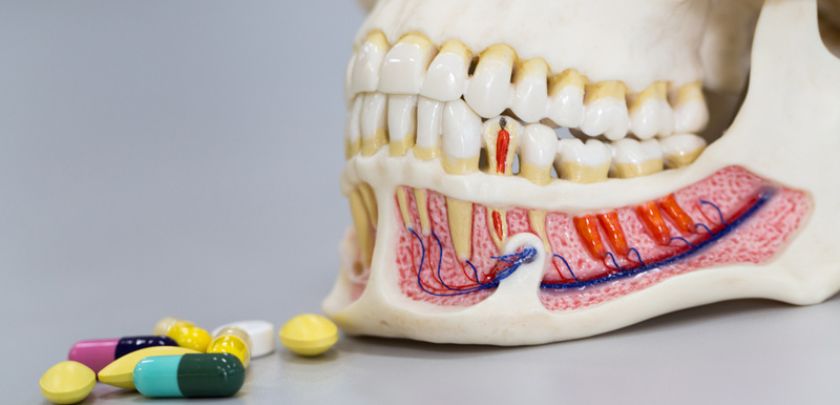
Antibiotics Are NOT a Cure: Antibiotics can stop the spread of infection, but they cannot remove the source of the infection inside your tooth.
Diagnosis is Required: There is no single "best" antibiotic for everyone. A dentist must prescribe the specific medication (like Amoxicillin, Penicillin, or Clindamycin) based on your medical history and the type of infection.
The Real Treatment: To permanently cure the infection, you need dental treatment, either a root canal, abscess drainage, or an extraction.
The Danger of Delay: Relying on antibiotics without dental treatment leads to antibiotic resistance and allows the infection to return, often more aggressively.
Immediate Action: If you have swelling or fever, call your Smyrna emergency dentist immediately.
By Dr. Leslie Patrick, DMD
When you are suffering from the intense, throbbing pain of a dental infection, your first instinct might be to ask, "What antibiotic will fix this?" It’s a logical question. We are used to taking medicine to cure infections in other parts of our bodies.
However, a dental infection is unique. While antibiotics are a powerful tool in our arsenal, there is a critical truth every patient needs to know: antibiotics alone cannot cure a tooth infection. At Smyrna Dental Studio, we want to keep you safe. This guide explains the role of antibiotics in emergency dentistry and why professional treatment is the only path to true healing.
Why Antibiotics Are Different for Teeth
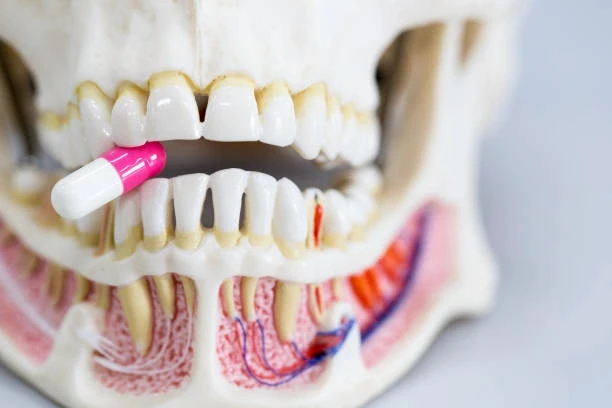
Unlike a throat infection, where medication can reach the bacteria easily, a dental infection typically resides inside the hard, calcified structure of your tooth or deep in the jawbone.
The Blockade: Once the nerve inside a tooth dies, there is no blood flow to that area. Antibiotics travel through your blood. This means the medicine literally cannot reach the source of the bacteria inside the tooth to kill them.
The Role of Medication: Antibiotics act as a containment system. They kill the bacteria that have spread outside the tooth into your gums, cheek, or face, reducing swelling and preventing systemic illness. But the factory producing the bacteria (the tooth) remains active.
Commonly Prescribed Antibiotics (Educational Only)
Note: Never take these without a prescription. Dosage and allergies matter.
Amoxicillin / Penicillin: The most common first-line defense for dental infections. They are effective against the specific types of bacteria found in the mouth.
Clindamycin: Often prescribed for patients who are allergic to penicillin or for infections that have become resistant to other medications.
Metronidazole: Sometimes added to penicillin for severe, stubborn infections to target anaerobic bacteria.
The Only Real Cure: Physical Treatment
To stop the infection permanently, we must physically remove the source.
Root Canal Therapy: We clean out the infected nerve tissue from inside the tooth, disinfecting the space that antibiotics can't reach.
Extraction: If the tooth is too damaged to save, removing it takes the infection with it.
Incision and Drainage: If there is a large swelling, we may need to drain the pus to relieve pressure immediately.




FAQs: Antibiotics and Emergencies
Can I use leftover antibiotics from an old prescription?
Absolutely not. Taking the wrong antibiotic, the wrong dose, or an incomplete course can be dangerous. It may not target the specific bacteria causing your pain and can contribute to antibiotic resistance, making future infections harder to treat. Always see a dentist for a new prescription.
If the swelling goes down after taking meds, do I still need a root canal?
Yes. If the swelling goes down, it means the antibiotics worked to control the spread, but the infection inside the tooth is still alive. If you don't get the root canal (or extraction), the swelling and pain will return, often much worse than before, once the medication wears off.
How long does it take for antibiotics to work on a tooth infection?
Typically, you may start to feel relief from swelling and pain within 24 to 48 hours of starting the medication. However, you must finish the entire course prescribed to you, even if you feel better, to prevent the bacteria from becoming resistant.
What if I have trouble breathing or swallowing?
This is a life-threatening emergency. Do not wait for a dentist appointment. Go to the nearest hospital emergency room immediately. You may need IV antibiotics to stop the swelling from blocking your airway.
Treat the Cause, Not Just the Symptom
Antibiotics are a helpful aid, but they are not a solution. Relying on them to fix a dental problem is like putting a bucket under a leaking roof without fixing the hole; it only works for a little while.
Your health deserves a permanent solution.
If you have signs of a dental infection (pain, swelling, fever), do not wait. Contact Smyrna Dental Studio immediately for an emergency exam.