Are Dental Implants Extremely Painful? Honest Pain Reality
TL;DR: Dental Implant Pain Reality
Dental implant placement causes mild to moderate discomfort for 3 to 5 days, manageable with over-the-counter ibuprofen. About 80% of patients describe implant pain as less severe than the tooth extraction that often preceded it. Most patients return to normal activities within 24 to 48 hours and report no significant pain by day 4 or 5.
Day 0 (surgery): Numb during procedure, mild discomfort after
Days 1 to 3: Peak discomfort, mild to moderate, ibuprofen-managed
Days 4 to 7: Significantly improved, soft food still recommended
Pain compared to extraction: Usually less severe
Pain killer needed: Ibuprofen 600mg, no opioids in 95% of cases
Implant pain is consistently less than patients fear
Patients across Smyrna, Marietta, and Sandy Springs almost universally come into our office worrying that the implant procedure will be intensely painful. The honest answer is that most patients describe the experience as mild to moderate discomfort for 3 to 5 days, manageable with ibuprofen, and significantly less painful than the tooth extraction that often preceded it. Below we walk through realistic pain expectations day by day, what tools we use to minimize discomfort, and what the patient experience actually looks like across our Smyrna implant cases.

During the procedure: numbing and minimal discomfort
Implant placement is performed under local anesthesia, often combined with sedation if the patient prefers. During the procedure itself, you should feel pressure but no sharp pain. Most Smyrna patients tell us afterward they expected the surgery to feel intense and were surprised by how routine it was. According to American Academy of Implant Dentistry guidance, modern implant placement with guided surgical templates causes minimal soft tissue trauma compared to older techniques. We use guided implant placement with surgical templates on every Smyrna case to keep the procedure precise and minimize tissue disruption.
Days 1 to 3: peak discomfort window
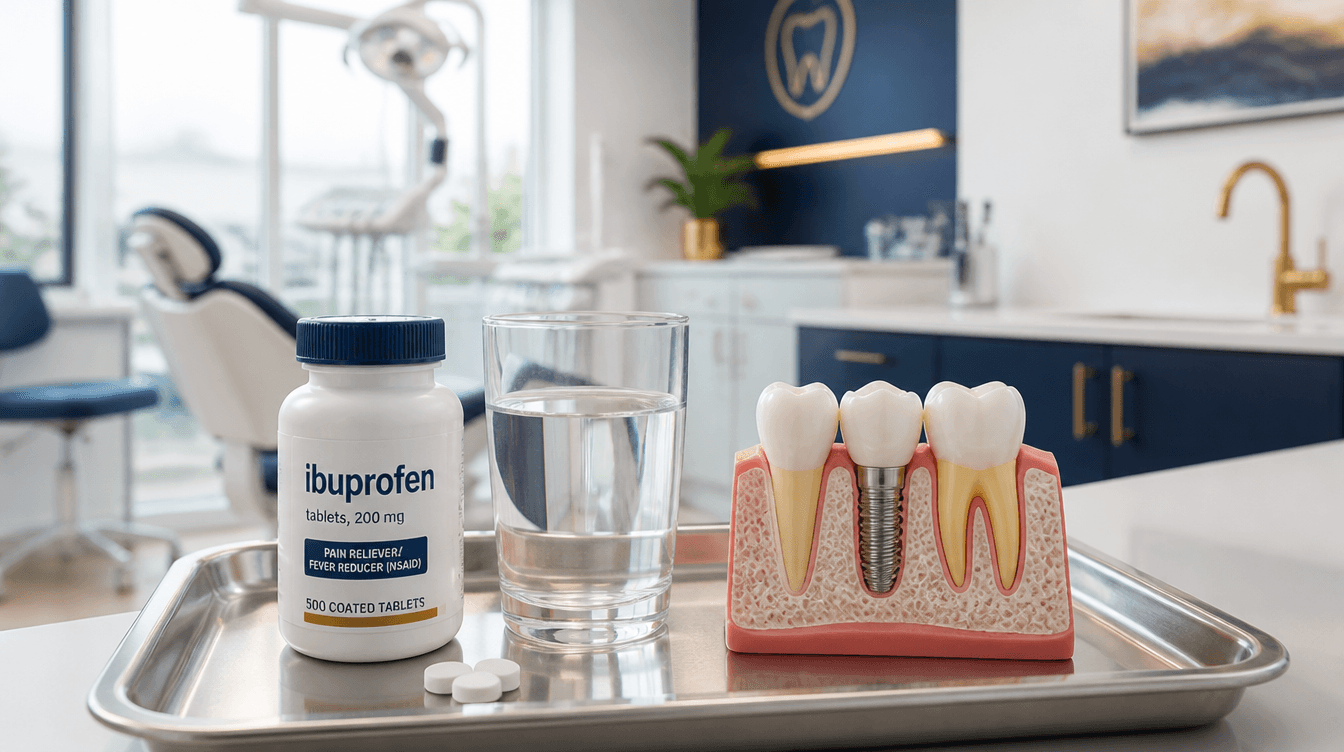
The most uncomfortable period is days 1 to 3 after surgery, when mild to moderate aching, swelling, and bruising peak. According to a clinical analysis on PubMed, this discomfort is typically managed with ibuprofen 600mg every 6 hours, sometimes combined with acetaminophen 500mg for stronger relief. About 95% of our Smyrna implant patients never need a prescription pain medication beyond what is given on the day of surgery. Patients who follow the cold compress and rest protocol for the first 48 hours report significantly less swelling and discomfort.
Days 4 to 14: significant improvement and back to normal
By day 4 to 5 most patients report no significant pain, only mild tenderness when chewing on the implant site. Most return to normal work and exercise activities within 24 to 48 hours, though we coach patients to avoid heavy lifting for the first week to prevent bleeding. Soft foods are recommended for 7 to 10 days, with most patients fully back to a normal diet by day 10. The patients we see who report the smoothest recovery all share the same trait: they followed the post-op instructions exactly and did not skip the soft-food window.
How implant pain compares to other dental procedures
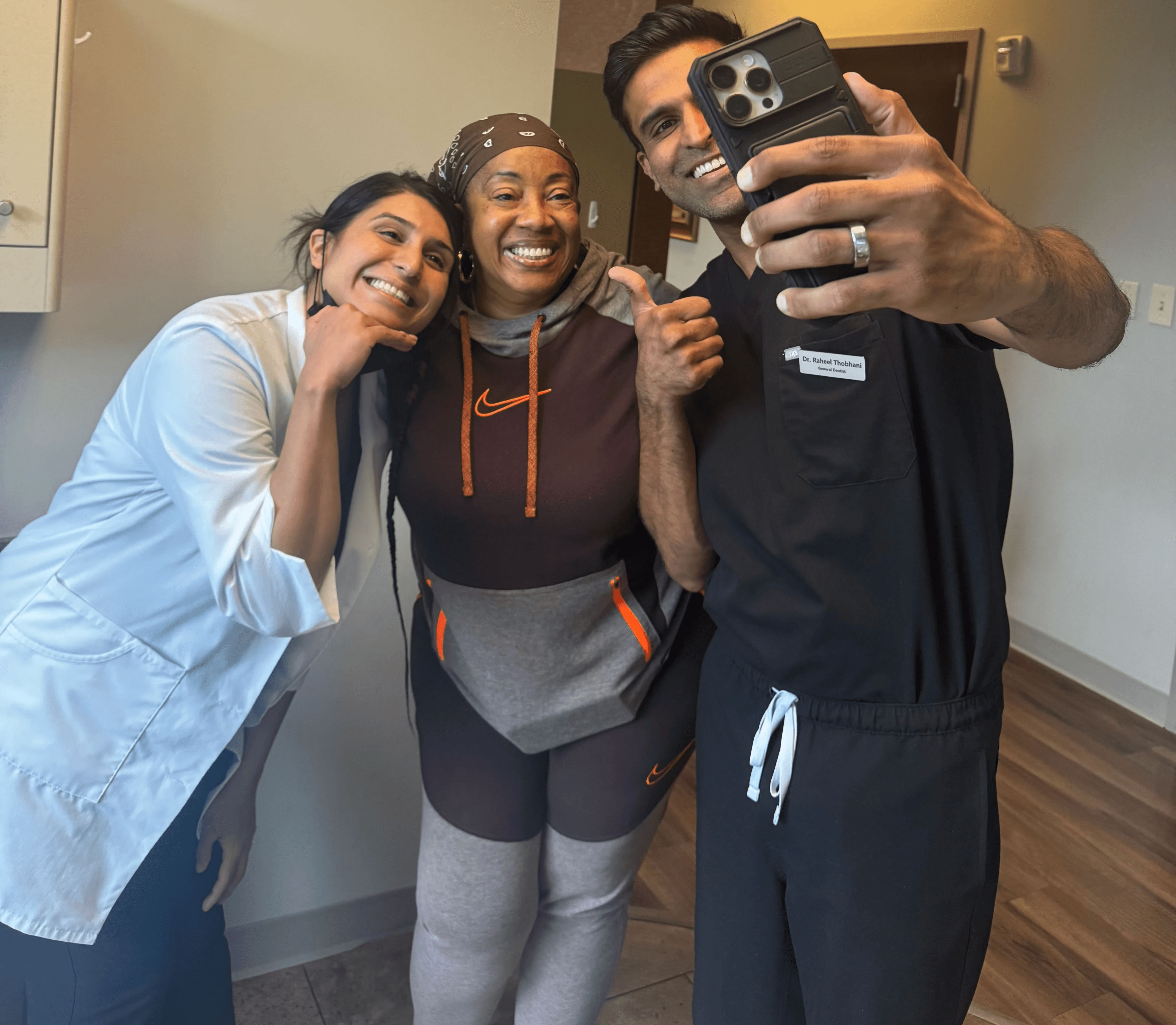
When patients walk in worried about implant pain, the most reassuring comparison we offer is with tooth extractions. About 80% of our patients describe implant placement as less painful than the extraction that preceded it, sometimes by a wide margin. The single most common patient reflection at the 2-week post-op visit is, "that was easier than I expected." Our implant and reconstruction lead, Dr. Raheel Thobhani, uses guided implant placement with surgical templates and a pre-op pain management protocol that combines ibuprofen with acetaminophen for the first 24 hours. Our implant services page covers the full procedure and recovery timeline.



Frequently Asked Questions
Will I be awake during the implant procedure?
Yes, by default, but you can request sedation. The procedure is performed under local anesthesia and most patients are comfortable being awake. We offer oral sedation for patients who prefer to sleep through it.
How long does the post-implant pain last?
Mild to moderate discomfort for 3 to 5 days, then minimal pain through day 7. Most patients report no significant pain by week 2. The discomfort is well-managed with over-the-counter ibuprofen in 95% of cases.
Will I need prescription pain medication?
Almost never. About 5% of our Smyrna implant patients need a short course of stronger pain medication, usually for complex cases involving multiple implants placed at once. We avoid prescribing opioids whenever possible.
Is implant pain worse for older patients?
No, in our experience. Healthy patients in their 60s, 70s, and 80s report similar pain levels to younger patients. Pain experience correlates more with overall health, anxiety levels, and how strictly the patient follows post-op instructions than with age.
When can I return to work after a dental implant?
Most patients return to desk work within 24 hours and physical work within 3 to 5 days. We recommend taking the day of surgery and the day after off, then resuming normal activities at your comfort level.
Most patients say the procedure was easier than they expected
For most Smyrna implant patients, the pain anticipation is far worse than the actual experience. The patients we see at the 2-week post-op visit consistently describe the procedure as a manageable inconvenience, not a traumatic event. The right pain management protocol, guided surgical placement, and clear post-op instructions make the difference between a hard week and a smooth one.
Worried about implant pain?
Whatever's been holding back your implant decision, we can walk you through the realistic experience. Whether you are in Smyrna, Marietta, or Sandy Springs, the team at Smyrna Dental Studio uses guided implant placement and a structured pain management protocol on every case. See our implant services, schedule your consultation, or call (470) 801-9986.
Written by Blake Hundley.