Best Oral Hygiene Routine for Families in Smyrna, GA
Quick answer: what is the best oral hygiene routine for families?
What should every family member do each day?
A strong family routine is built on a few habits everyone can follow: brush twice a day for two minutes, clean between teeth once daily, and limit sugary snacks. The American Dental Association recommends brushing two minutes, twice daily, and cleaning between teeth once a day (ADA MouthHealthy).
The exact tools change with age, but the schedule stays the same. Pair that home care with regular checkups, and you cover the basics for kids and adults alike.

A healthy family smile starts at home, long before anyone sits in a dental chair. Building a simple, consistent oral hygiene routine helps every age group, from toddlers to grandparents, fight cavities and gum disease. At Smyrna Dental Studio in Smyrna, GA, we work with local families to make daily care easy to keep up with. This guide walks through brushing, flossing, timing, product choices, and even fluoride-free options for households that prefer them.
How often should families brush and floss their teeth?
Brushing twice a day, flossing once
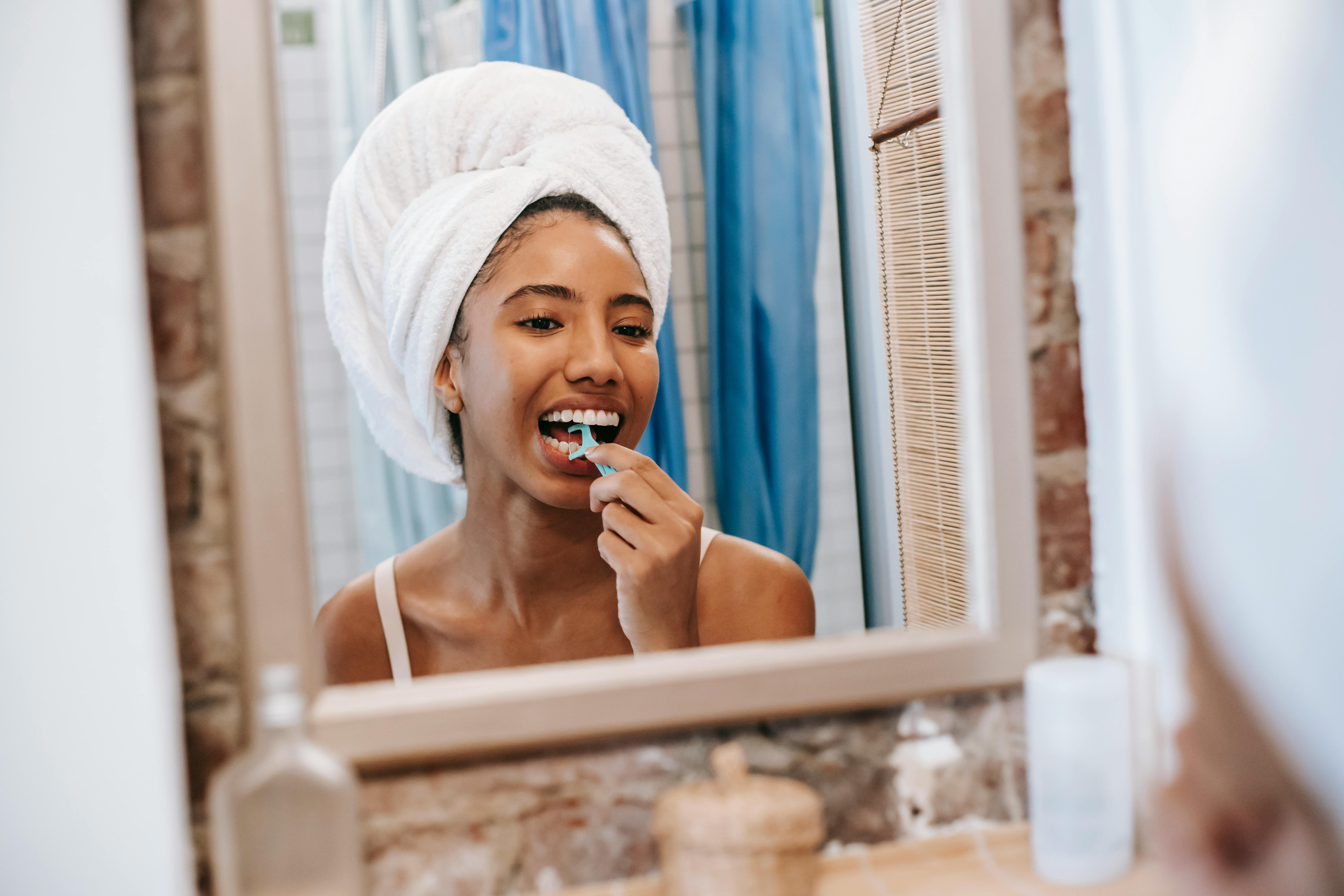
Brush twice a day for two minutes and clean between your teeth once daily. The CDC notes that brushing twice daily with fluoride toothpaste is one of the most effective ways to prevent tooth decay (CDC). Use a soft-bristle brush, hold it at a slight angle to the gumline, and cover every surface, including the back teeth that are easy to miss.
Flossing or using another between-teeth cleaner removes plaque a brush cannot reach. Floss picks and water flossers can make the job easier for kids, teens, and busy adults. If you are weighing your options, our guide on what to expect at a dental checkup explains how professional cleanings build on your home routine.
At what age should kids start their own oral care routine?
From the first tooth to independent brushing
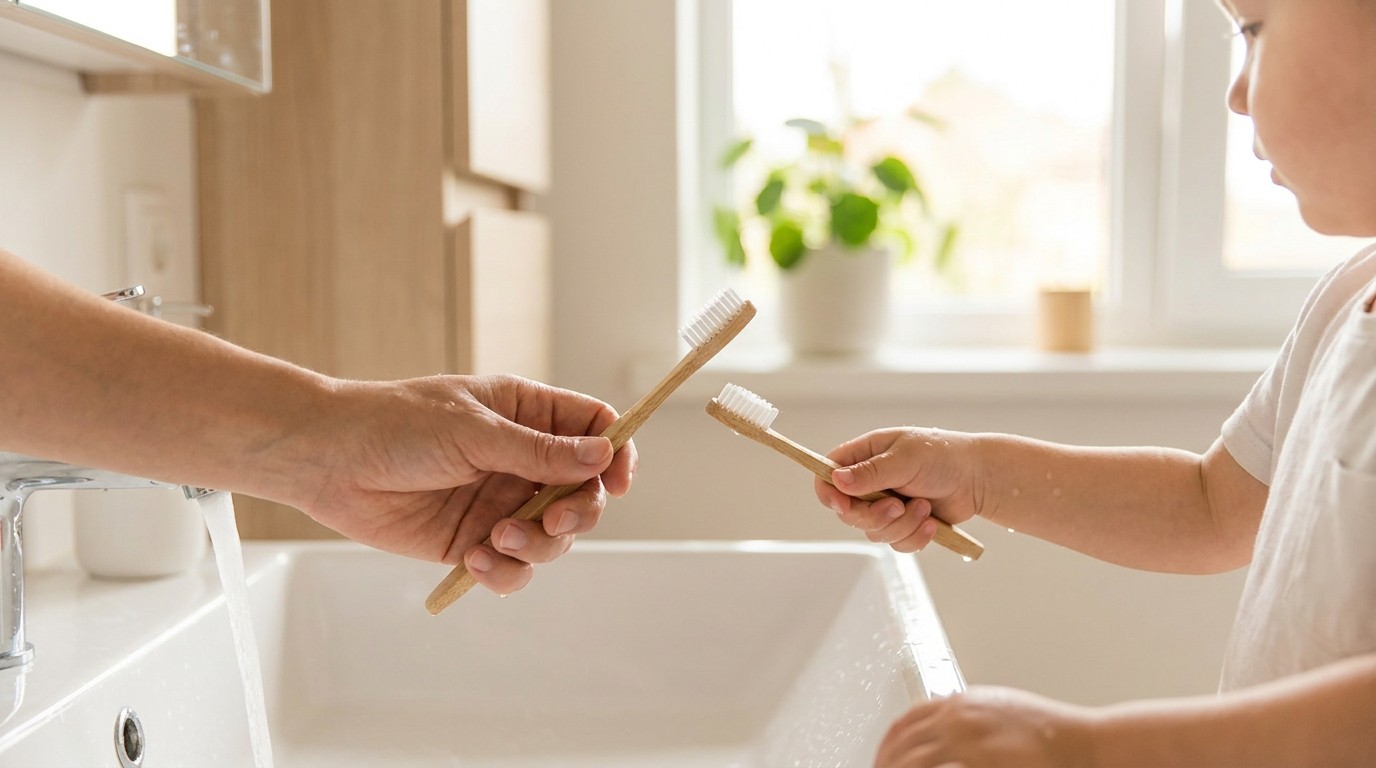
Start cleaning your child's mouth before the first tooth even appears, then move to a tiny smear of toothpaste once teeth come in. Most children need help brushing and flossing until about age 7 or 8, when their hand skills catch up. Supervise younger kids so they actually reach every tooth instead of just the front ones.
Make it fun to keep them engaged. A two-minute song, a favorite character toothbrush, or a simple sticker chart turns brushing into a habit instead of a battle. Children's first dental visit is recommended by their first birthday, which gives our team an early start on prevention.
What is the best order: brush, floss, or rinse first?
Timing that gets the most from your routine
Cleaning between your teeth first and brushing second works well for most families, because it lets fluoride toothpaste reach the spaces flossing just opened up. Many dentists suggest you spit out toothpaste and skip the water rinse so fluoride stays on the enamel longer. Wait about 30 to 60 minutes after acidic foods or drinks before brushing, since enamel is softer right after.
Morning and bedtime are the two anchor points. Bedtime brushing matters most, because saliva drops while you sleep and bacteria have all night to work. Whatever order you choose, consistency every day matters far more than the perfect sequence.
Are there good fluoride-free options for families?
Choosing products that fit your household
Some families prefer fluoride-free toothpaste, and there are options that still support clean teeth and healthy gums. Look for products that carry the ADA Seal of Acceptance, which means they have been independently reviewed for safety and effectiveness (ADA). Hydroxyapatite and certain natural formulas are popular fluoride-free choices, and mechanical cleaning from good brushing and flossing still does most of the work.

If you are deciding between tools, our comparison of flossing versus a water flosser can help. Smyrna Dental Studio also offers fluoride-free and biocompatible care for households that want it, so bring your questions to your next visit and we can match products to your family's needs.
How does diet affect your family's oral health?
Foods that help and foods that hurt
What your family eats and drinks shapes their cavity risk as much as brushing does. Limit sugary snacks and sodas, which feed the bacteria that cause decay, and make water the everyday drink of choice. Calcium-rich foods like cheese, yogurt, and leafy greens support strong enamel for kids and adults.
Frequent snacking is its own problem, because every sugary or starchy bite restarts the acid attack on teeth. Try to keep treats to mealtimes rather than all-day grazing, and rinse with water afterward when brushing is not possible.
Why are regular dental checkups part of the routine?
Catching problems early in Smyrna
Home care does the daily work, but professional visits catch what brushing misses. For most families, a checkup and cleaning every six months removes hardened tartar and lets us spot small cavities or early gum changes before they grow. Preventive care saves time, money, and discomfort later. Learn more about general and preventive dentistry at our Smyrna office.
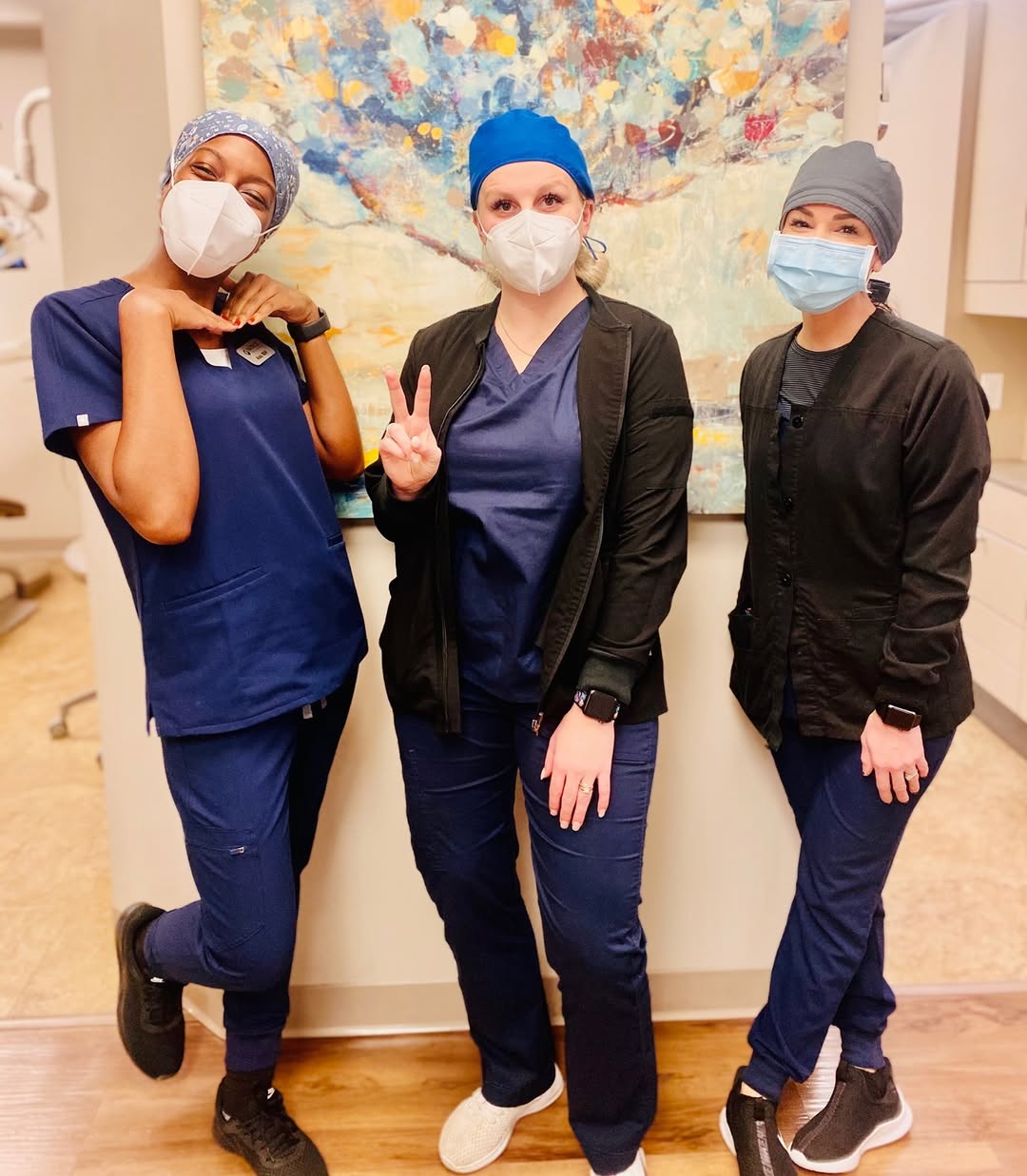
These visits also keep your family's whole picture in view, from a toddler's first cleaning to an adult's gum health. We serve families across Smyrna, Vinings, Mableton, and Marietta, and we tailor recommendations to each person's needs.



Frequently asked questions
Do baby teeth really matter if they fall out anyway?
Yes. Baby teeth guide speech, help with chewing, and hold space for adult teeth. Cavities in baby teeth can also affect the permanent teeth forming underneath, so early care matters.
Is brushing harder a way to clean teeth better?
No. Brushing too hard can wear down enamel and irritate gums. Gentle, thorough brushing with a soft-bristle brush for two minutes is more effective and safer for the whole family.
Should young children use mouthwash?
Children under 6 should generally skip mouthwash unless a dentist recommends it, since they may swallow it. Focus on supervised brushing and flossing first, and ask us at a visit if a rinse would help.
Can adults still get cavities with a good routine?
Yes. Adults remain at risk, especially with receding gums, dry mouth, or frequent sugary foods and drinks. A steady routine plus regular checkups lowers that risk at every age.
Build healthy family smiles with care in Smyrna
A simple, consistent routine at home, paired with regular professional care, gives your family its best shot at healthy smiles for life. If you are ready for a family checkup or have questions about products and fluoride-free options, call Smyrna Dental Studio at (770) 863-0005. We welcome families from Smyrna, Vinings, Mableton, and Marietta. This is general information, not a diagnosis. A dentist should evaluate your situation in person.
Reviewed by Dr. Natasha Kanchwala, DMD, at Smyrna Dental Studio in Smyrna, GA. Dr. Kanchwala focuses on general, preventive, and comfort-centered care for patients of all ages.