Do Night Guards Help With Teeth Grinding?
Quick answer: Do night guards help with teeth grinding?
A night guard can help protect your teeth from the damage that grinding and clenching cause, and it may ease some jaw soreness. It does not necessarily stop the grinding itself. Grinding often happens during sleep, so a guard can be one part of a bigger plan that a dentist can help you build.
A guard acts as a cushion between your upper and lower teeth.
Custom-made guards are described as more comfortable and protective than store-bought ones.
A poorly fitting guard can cause soreness in your teeth, gums or jaw.
Stress habits, caffeine and alcohol may also play a role, so a guard is not the whole answer.
You wake up with a sore jaw or a dull headache, and someone says you grind your teeth at night. Now you wonder if a night guard will actually fix it or just sit in a drawer. This post gives you a straight answer, including what a guard can and cannot do. If you want a dentist to look at your teeth, Smyrna Dental Studio in Smyrna, GA can talk it through with you.

Do night guards help teeth grinding?
Yes, a night guard can help protect your teeth from the effects of grinding and clenching, according to Cleveland Clinic. It does not necessarily stop the grinding itself, so think of a guard as protection for your teeth, not a switch that turns the habit off.
What a night guard does well
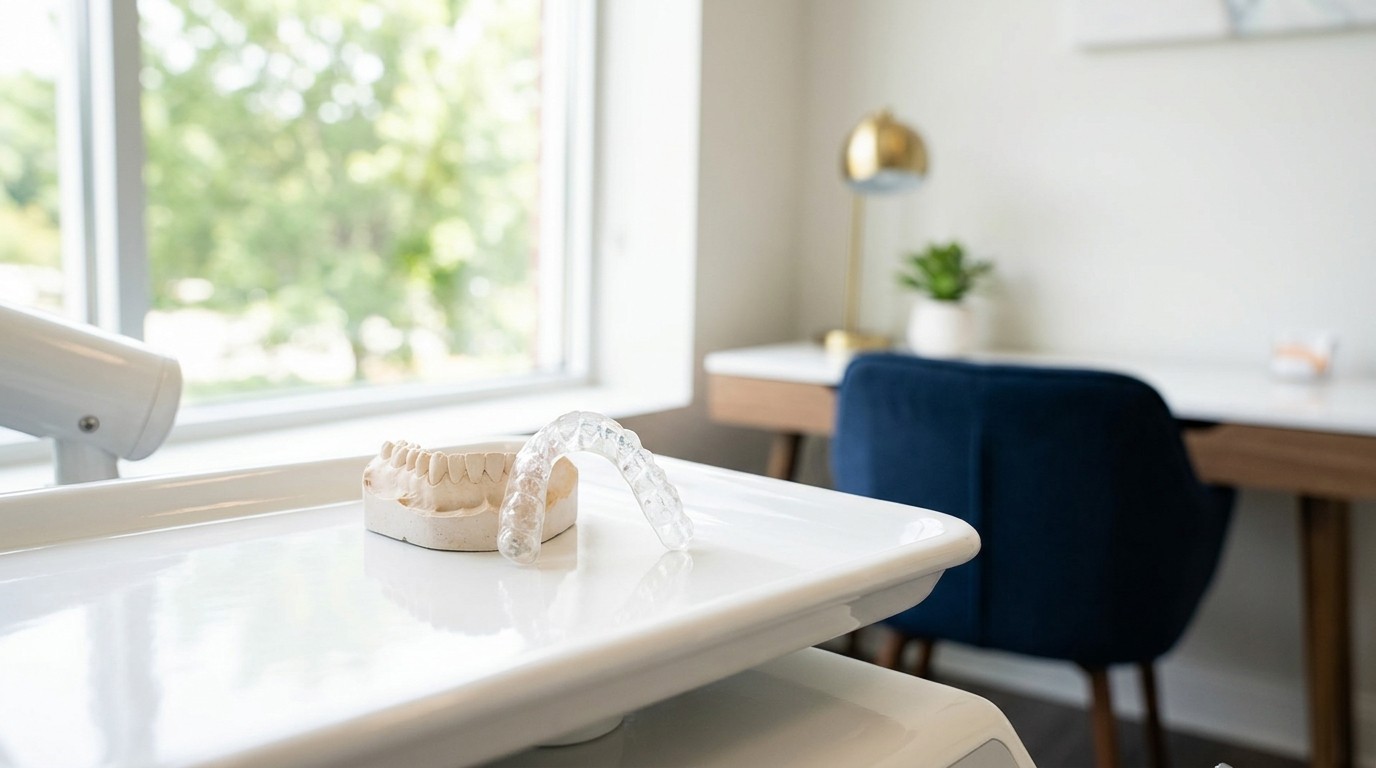
A guard is an appliance that fits over your teeth, most often the upper ones. When you grind, your teeth press into the guard instead of into each other. Cleveland Clinic says wearing one while you sleep can help reduce wear and tear from clenching or grinding.
What a night guard may not do
Because grinding often happens while you sleep, you cannot easily control it. If you still notice jaw tightness or headaches, a dentist can help work out why. To learn more, read about common causes of jaw pain and mention your symptoms at your visit.
Where to learn about the guards we offer
You can see how we approach night guards and sports guards on our services page. A dentist can check your teeth for signs of wear before recommending anything.
Is it good to sleep with a night guard?
For many people who grind or clench, yes, it can be a reasonable choice. Cleveland Clinic notes that because most people grind or clench during sleep, it is common to wear a guard at night. It also says it can take some time to get used to a mouth guard.
How to care for your guard
Cleveland Clinic suggests a simple routine after each use:
Rinse it in cool water, and clean it with soap and a brush.
Let it air dry.
Keep it away from heat, which can warp it.
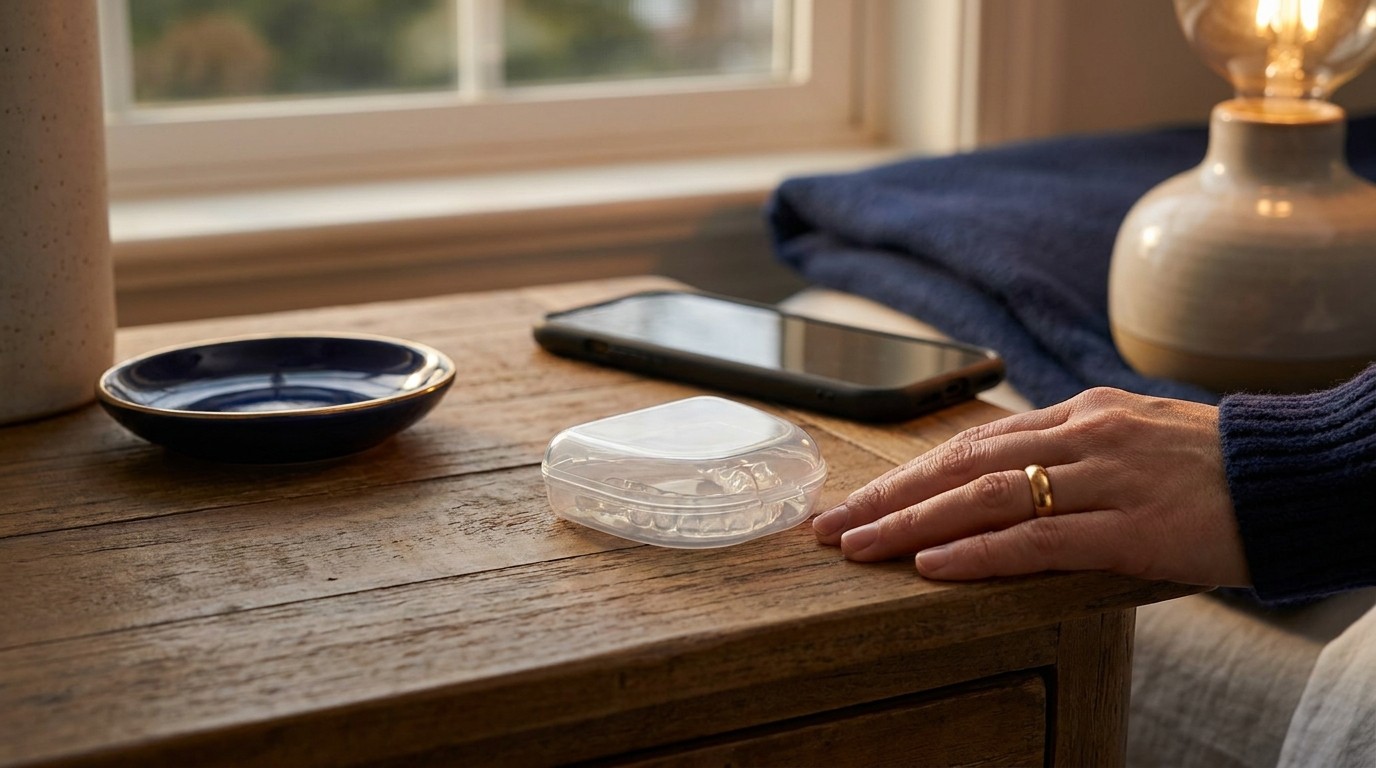
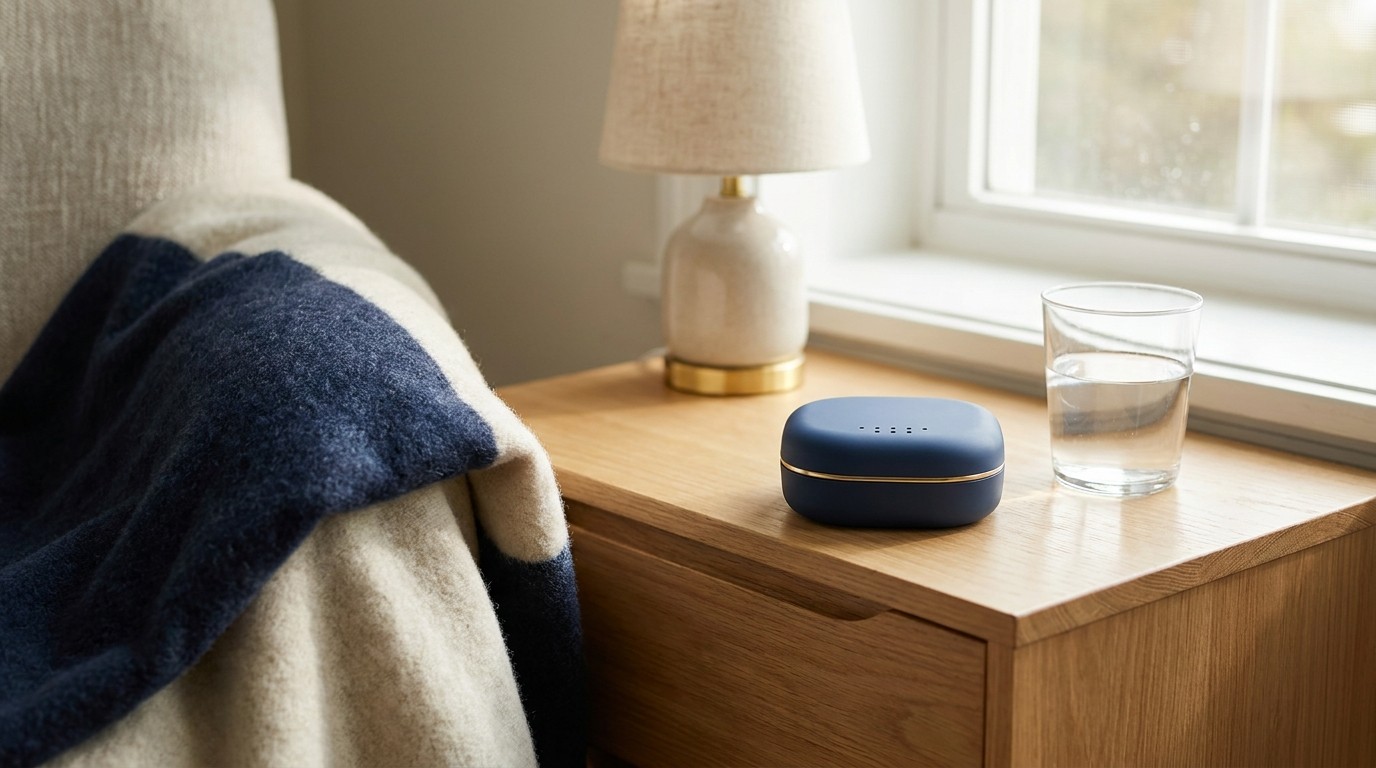
Store it in a vented plastic case.
When to check in
If your guard feels loose, cracked or uncomfortable, or your jaw feels sore after wearing it, tell a dentist. A guard that does not fit well may cause soreness in your teeth, gums or jaw.
Want this checked? A short exam can show whether grinding is wearing on your teeth. You can book online or call (770) 863-0005.
Is it worth getting a night guard from the dentist?
A custom guard from a dentist is often worth considering if you grind or clench often. Cleveland Clinic says custom-made guards fit your exact dental anatomy and tend to be more comfortable and protective than store-bought options. Store-bought choices are described as less effective.
Custom guards versus store-bought guards
Store-bought guards come in two main types. Stock guards are worn as they come. Boil-and-bite guards can be shaped at home. Custom guards are made to fit your mouth.
Lifespan to expect
Cleveland Clinic says custom guards can last several years with proper care, while store-bought ones may need to be replaced a few times a year. Your dentist can tell you when yours is worn out.
Why a dental exam comes first
Jaw soreness can come from more than grinding. A dentist can look at your teeth and jaw joints and tell you whether a guard fits your situation. Our team can look at jaw joint concerns during an exam. If you are curious about a clicking jaw, see what a clicking jaw can mean.
What are the disadvantages of night guards?
The main downsides are comfort and fit. A poorly fitting guard can cause soreness in your teeth, gums or jaw, according to Cleveland Clinic. A guard also protects teeth without stopping the grinding, so it may not fix jaw pain or headaches on its own.
Common drawbacks to know about
It can feel bulky at first, and it takes time to get used to.
Store-bought guards may not fit well and may need replacing more often.
It needs daily cleaning and a proper case.
It protects your teeth but may leave the cause of the grinding untouched.
What to do if a guard bothers you
If a guard hurts or does not feel right, call the office and bring the guard to your visit. Cleveland Clinic says a dentist can check your guard and make any necessary adjustments.
What else can help besides a night guard?
Stress management, such as meditation and exercise, and cutting back on caffeine and alcohol may help with teeth grinding, according to Cleveland Clinic. The page also lists muscle relaxants taken before bed, and Botox injections in severe cases. These are decisions to make with a doctor or dentist, who can tell you which options make sense for you.
Botox and jaw clenching
Some people ask about Botox for a tight jaw. We cover this in Botox at the dentist in Smyrna and in our upcoming guide on whether Botox for jaw clenching works.
When should you see a dentist about teeth grinding?
See a dentist if you notice worn or chipped teeth, tooth sensitivity, morning headaches, earaches, a sore jaw, or trouble opening and closing your mouth. Cleveland Clinic advises telling a healthcare provider if symptoms do not go away or happen more often than not.
You can call the office at (770) 863-0005 to talk it through. If you ever have swelling with trouble breathing or swallowing, fever, or swelling spreading in your face or neck, go to the ER or call 911. Jaw pain that comes with chest discomfort, shortness of breath or a cold sweat may be a sign of a heart attack, according to MedlinePlus. Call 911 and do not wait for a dental visit.




Frequently asked questions
How long does a night guard last?
A custom night guard can last several years with proper care, according to Cleveland Clinic, while store-bought guards are less durable and may need replacing a few times a year. If you are not sure whether yours is still in good shape, bring it to a visit so a dentist can check it.
Will a night guard stop my jaw pain?
It may help, but it is not a promise. A guard protects your teeth and can ease strain for some people. Jaw pain can have other causes, so a dentist should look at your jaw and teeth. Symptoms that do not go away are worth mentioning.
Can I use a store-bought guard instead?
You can, but Cleveland Clinic describes store-bought guards as less effective than custom ones. They may also need replacing a few times a year. A dentist can help you decide whether a custom guard fits your needs.
How do I clean a night guard?
Rinse it in cool water after each use, and clean it with soap and a brush. Let it air dry and keep it away from heat, which can warp it. Store it in a vented plastic case. Ask your dentist if you have questions about your specific guard.
Should I see a dentist for grinding?
Yes, if you have worn teeth, jaw soreness, or headaches that keep coming back. A dentist can check for wear and talk through options. Regular checkups also help catch damage early, before it becomes a bigger problem.
Book a visit to talk about your grinding
If you think you grind your teeth, a quick exam and conversation is a good next step. Our team, including Dr. Natasha Kanchwala, can talk with you about your options, and you can learn more about our TMJ care. Book online or call (770) 863-0005 and we will help find the earliest visit available, serving Smyrna and nearby Vinings, Mableton, Marietta and Austell. This is general information, not a diagnosis. A dentist needs to examine you to advise on your situation.