Foods for Strong Teeth: What to Eat and What to Limit
Quick answer: which foods strengthen teeth?
What to eat more of and what to limit
The best foods for strong teeth are rich in calcium and phosphorus, like milk, cheese, yogurt, lean meats, and nuts. These minerals rebuild and protect enamel. Crunchy fruits and vegetables such as apples, carrots, and celery scrub away plaque and boost saliva, your mouth's natural cleanser.
Water is the friendliest drink for teeth because it has no sugar and no acid. The hardest on enamel are sugary, sticky, and acidic items, including candy, dried fruit, chips, soda, and many juices. According to the American Dental Association, diet plays a direct role in tooth decay (ADA MouthHealthy).
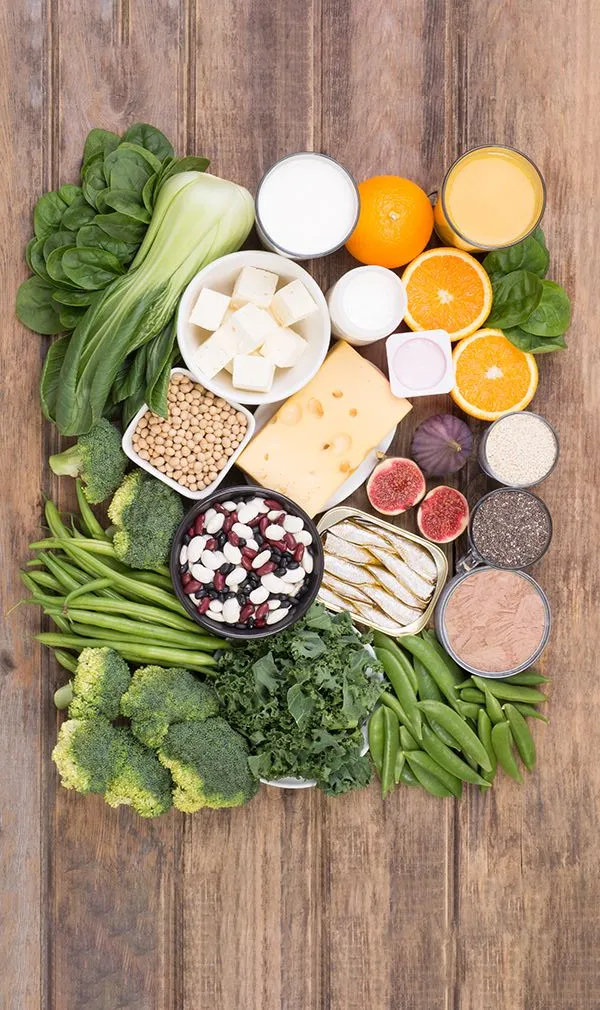
What you eat shapes your smile just as much as how you brush. The minerals in everyday foods can strengthen tooth enamel, while sugary and acidic snacks quietly feed the bacteria that cause decay. At Smyrna Dental Studio in Smyrna, GA, we help families turn smart food choices into stronger, healthier teeth. This guide breaks down the foods that build strong teeth and the ones that wear enamel down.
What foods help build strong tooth enamel?
Calcium and phosphorus do the heavy lifting
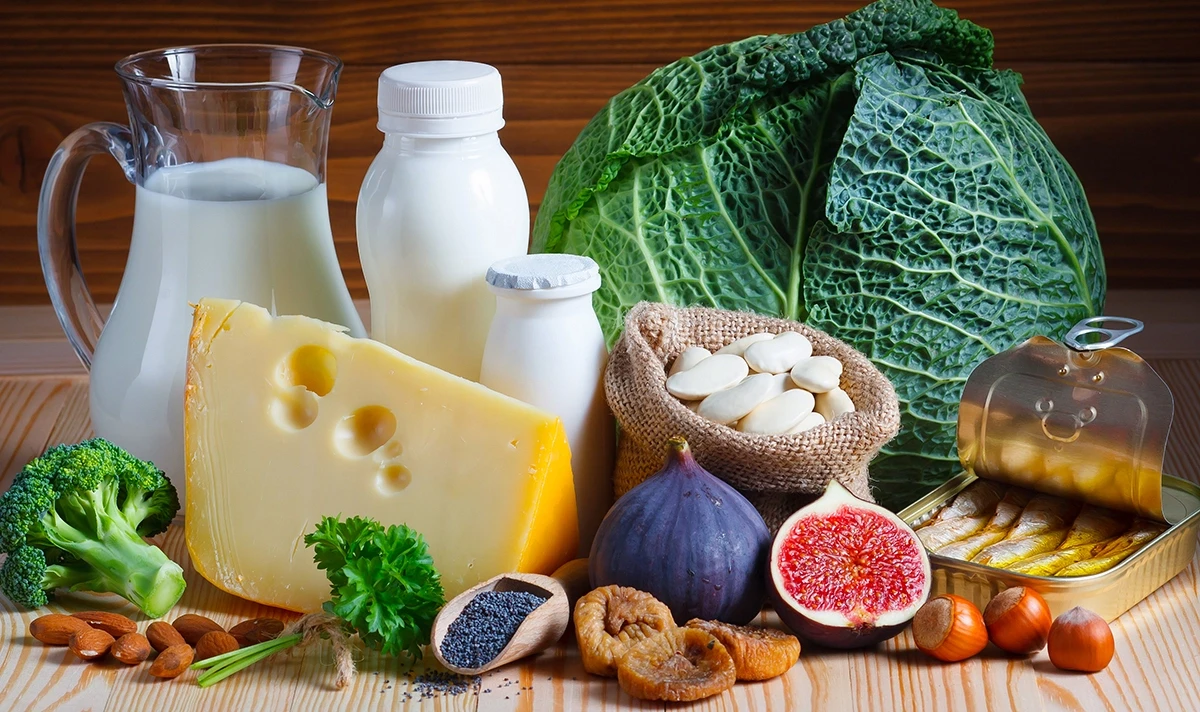
Calcium and phosphorus are the main minerals that make up tooth enamel, so a diet rich in both helps keep teeth strong. Dairy is a standout source: milk, cheese, and plain yogurt deliver calcium plus a protein called casein that helps protect the enamel surface. Leafy greens like spinach and kale add calcium too. A cube of cheese after a meal can even help neutralize mouth acids, which is a small habit with a real payoff.

Phosphorus works hand in hand with calcium to rebuild enamel. You will find it in lean proteins like chicken, turkey, and fish, plus eggs and nuts. Pairing these foods through the day gives your teeth a steady supply of the minerals they need. The dentists at Smyrna Dental Studio often remind Smyrna families that good nutrition supports, but never replaces, daily brushing and flossing.
Are crunchy fruits and vegetables good for your teeth?
Nature's toothbrushes at work
Yes, firm and crunchy produce is genuinely good for teeth. Apples, carrots, celery, and cucumbers have a high water content and an abrasive texture that helps scrub plaque off tooth surfaces as you chew. Chewing these foods also stimulates saliva, which rinses away food bits and helps neutralize acid. Think of an apple after lunch as a gentle, natural cleanup, not a substitute for your toothbrush.
Why is water the best drink for your teeth?
Sugar-free, acid-free, and protective
Water beats every other drink for your teeth because it has no sugar and no acid to feed bacteria or erode enamel. It also washes away leftover food and keeps saliva flowing. In many communities, including parts of greater Atlanta, tap water contains fluoride, which the CDC notes helps strengthen enamel and reduce decay (CDC).
Sugary and acidic drinks do the opposite. Sodas, sports drinks, and many fruit juices deliver a double hit: sugar that feeds decay-causing bacteria and acid that wears enamel down directly. If your child loves juice, try diluting it with water and serving it with a meal rather than sipping it all afternoon.
Which foods harm your teeth the most?
Sugary, sticky, and starchy snacks
Sugar is the main fuel for the bacteria that cause cavities, and sticky sweets are the worst offenders because they cling to teeth long after you finish. Gummy candies, caramels, lollipops, and even dried fruits like raisins linger in the grooves of your molars, giving bacteria extra time to produce acid. Frequent snacking on these keeps your mouth in a near-constant acid attack.
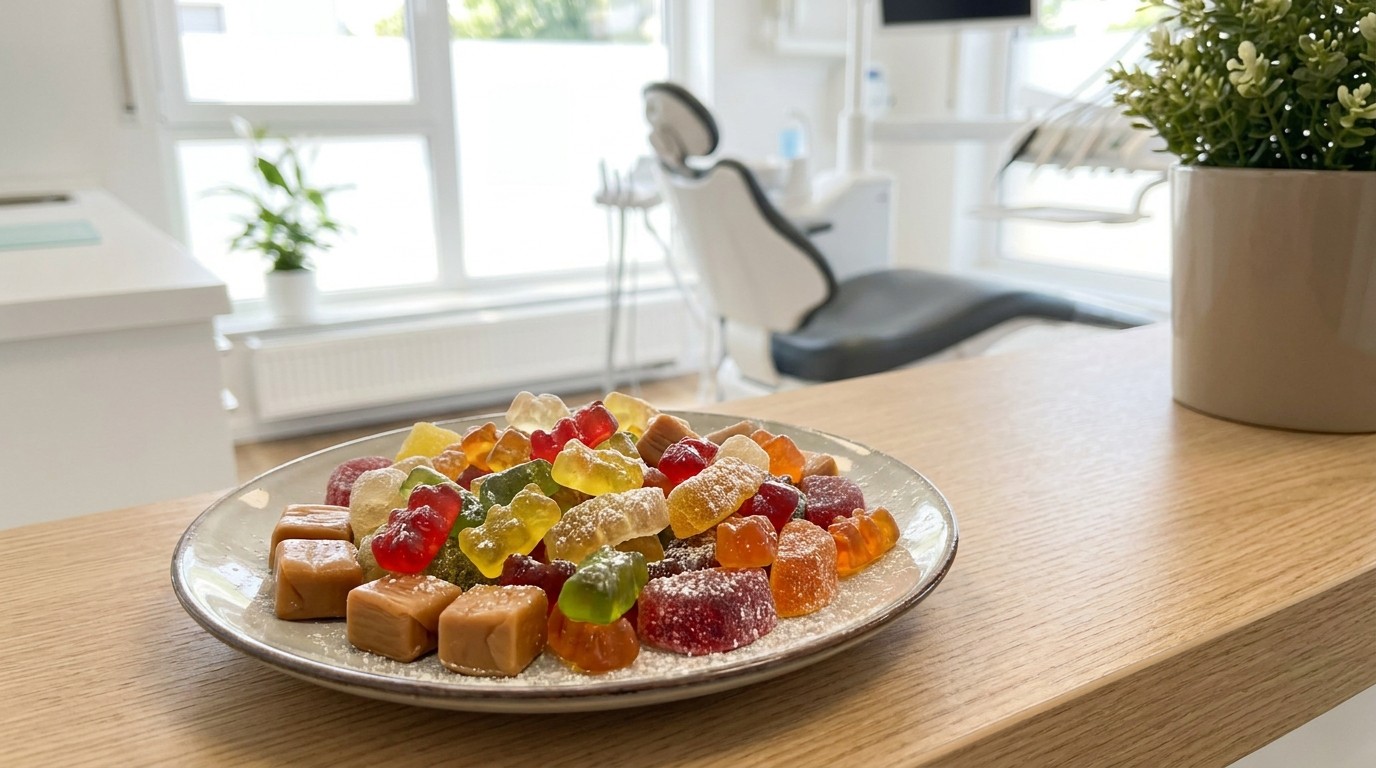
Starchy foods deserve attention too. Crackers, potato chips, and soft white bread break down into simple sugars right in your mouth, and their mushy texture packs into chewing surfaces. They are easy to overlook because they do not taste especially sweet. If you enjoy these snacks, eat them as part of a meal and rinse with water afterward to clear the residue.
Can the right diet replace brushing and dental visits?
Food is a partner, not a substitute
No, a tooth-friendly diet cannot replace daily care or professional checkups. Smart food choices reduce your risk, but only brushing and flossing physically remove plaque, and only a dentist can catch early decay you cannot see. Pairing good nutrition with regular preventive dental care and a routine dental checkup gives your smile the strongest foundation.



Frequently asked questions
How can I get a picky child to eat tooth-friendly foods?
Focus on small, steady changes instead of a full diet overhaul. Pair a fun food with a healthy one, like apple slices with a little dip, or blend spinach and yogurt into a smoothie. Progress matters more than perfection.
Are crackers and pretzels bad for my child's teeth?
They can be, since starchy snacks break down into sugars and pack into molar grooves. If you serve them, offer them with a meal rather than as all-day grazing, and have your child drink water afterward to rinse the mouth.
Is fruit bad for teeth because it contains sugar?
Whole fruit is a good choice. Its fiber and water content help clean teeth and stimulate saliva, which offsets the natural sugar. The bigger concern is sticky fruit snacks and sugary juices, which concentrate sugar without those benefits.
How often should I see a dentist if my diet is already healthy?
A healthy diet lowers your risk, but most people still benefit from a checkup and cleaning roughly every six months. Your dentist can suggest a schedule that fits your needs after evaluating your teeth and gums.
Build a stronger smile with the right foods
The foods on your plate can either strengthen your enamel or wear it down, and small daily choices add up over a lifetime. Lean into calcium-rich dairy, crunchy produce, and plenty of water, and limit sticky, sugary, and acidic snacks. This is general information, not a diagnosis, and a dentist should evaluate your situation before any treatment. To pair smart nutrition with professional care, call Smyrna Dental Studio at (770) 863-0005. We proudly serve Smyrna, Vinings, Mableton, and Marietta.
Reviewed by Dr. Natasha Kanchwala, DMD, at Smyrna Dental Studio in Smyrna, GA. Dr. Kanchwala focuses on cosmetic and preventive care and helps families build healthy daily habits that protect their smiles.