The Link Between Gum Disease and Heart Health
The Connection is Real: Research shows a strong correlation between gum disease (periodontitis) and cardiovascular issues like heart disease and stroke.
The Culprit: Inflammation. Chronic inflammation in your gums doesn't stay in your mouth. It raises inflammation markers throughout your entire body, which is a key risk factor for heart attacks.
The Bacterial Pathway: Harmful oral bacteria can enter your bloodstream through bleeding gums and attach to fatty plaques in your heart’s blood vessels, contributing to blockages.
Shared Risk Factors: Smoking, poor diet, and diabetes are major risk factors for both gum disease and heart disease.
Prevention is Protection: Treating gum disease isn't just about saving teeth; it may help protect your heart. Regular dental cleanings are essential.
By Dr. Raheel Thobhani, DMD
We often think of our oral health and our general health as separate categories. You see a dentist for your teeth and a doctor for your heart. But the truth is, your body is an interconnected system, and your mouth is the gateway to the rest of it.
One of the most serious and well-researched connections in modern medicine is the link between gum disease and heart health. At Smyrna Dental Studio, we believe that caring for your smile is a vital part of caring for your life. This guide will explain the science behind this connection and why keeping your gums healthy is one of the best things you can do for your heart.

How Can Your Mouth Hurt Your Heart? The Science
It seems unrelated. How can an infection in your gums affect an organ in your chest? Researchers have identified two main pathways that link periodontal disease to cardiovascular complications.
1. The Inflammation Highway
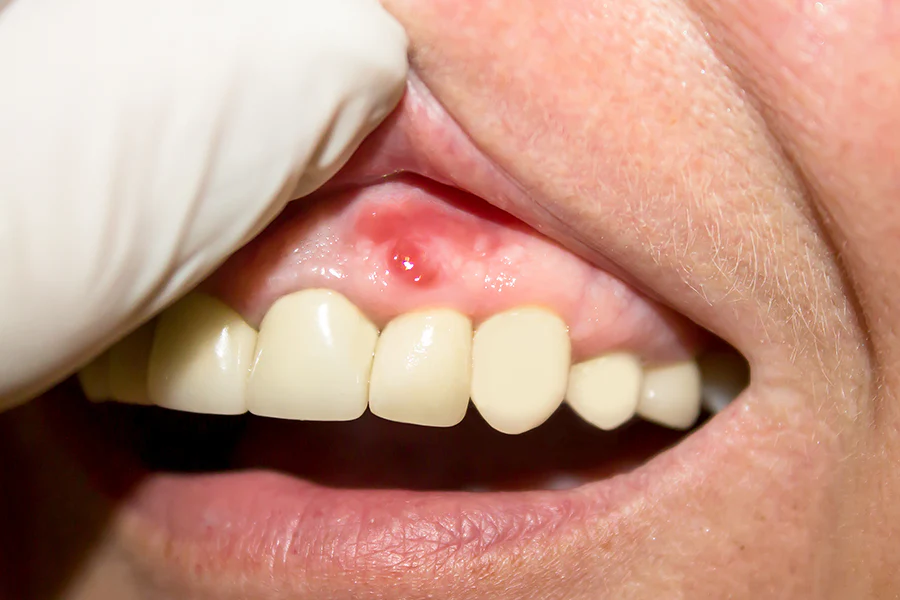
Gum disease is, at its core, a chronic inflammatory infection. When your gums are inflamed, your body releases C-reactive protein (CRP) and other inflammatory markers into your bloodstream.
The Risk: Elevated CRP levels are a known predictor of heart disease. Prolonged inflammation in the body causes blood vessels to harden and narrow (atherosclerosis), increasing the risk of a heart attack or stroke. Treating your gums helps lower this systemic inflammation burden.
2. The Bacterial Invasion
Your mouth is full of bacteria. When you have gum disease, your gums bleed easily. This creates an open door for harmful oral bacteria to enter your bloodstream.
The Risk: Once in the bloodstream, these bacteria can travel to the heart. Studies have found DNA from oral bacteria inside the fatty plaques blocking arteries in heart disease patients. These bacteria can also attach to damaged heart valves, causing a dangerous infection called endocarditis.
Are You at Risk?
Because gum disease and heart disease share many of the same risk factors, having one often means you are at higher risk for the other. You should be extra vigilant about your dental care if you:
Smoke or Vape: This is the biggest risk factor for both conditions.
Have Diabetes: Diabetics are more prone to severe gum disease, which in turn makes blood sugar harder to control, stressing the heart.
Have High Stress or a Poor Diet.




FAQs: Your Heart and Mouth Questions
If I treat my gum disease, will it prevent a heart attack?
While we cannot say it is a "guaranteed prevention," studies suggest that treating gum disease can improve the function of blood vessels and lower inflammation markers in the blood. By managing your oral health, you are removing a significant stressor from your cardiovascular system.
What are the warning signs that my oral health might be affecting my body?
The most common sign is bleeding gums. Healthy gums do not bleed when you brush or floss. Other signs include chronic bad breath, loose teeth, or red, swollen gums. These are signs of an active infection that needs treatment immediately.
I have a heart condition. Should I tell my dentist?
Yes, absolutely. It is vital that we know your full medical history. If you have certain heart conditions or an artificial heart valve, you may be at higher risk for endocarditis, and we may need to have you take preventative antibiotics before certain dental procedures.
How often should I get a cleaning to protect my heart?
For most patients, every six months is sufficient. However, if you have a history of heart disease or active gum disease, we may recommend more frequent visits (every 3-4 months) to keep the bacterial load in your mouth as low as possible.
A Healthy Smile, A Healthier Heart
Taking care of your gums is about much more than a nice smile; it’s a proactive step toward a longer, healthier life. By partnering with your dentist to eliminate oral infection and inflammation, you are doing your heart a favor.
Don't ignore the signs of gum disease.
Contact Smyrna Dental Studio today to schedule your comprehensive checkup and cleaning. Let’s work together to protect your smile and your systemic health.