
Safe Mercury (Amalgam) Filling Removal: What the SMART Protocol Is and Who It's For
Short answer: SMART stands for Safe Mercury Amalgam Removal Technique. It is a structured set of precautions some dentists use while taking out an old silver (amalgam) filling, usually because that filling is failing, cracked, or decayed, or because a patient chooses to replace it. It is not a reason to remove healthy, stable fillings. Many amalgam fillings work fine for years and do not need to be touched. Talk with a dentist about your specific situation before deciding.
Old silver fillings raise a lot of questions. Patients often ask whether they are harmful, whether to replace them, and what "safe removal" actually means. This post explains the SMART protocol in plain terms, who it tends to fit, and how the decision usually gets made. The goal here is information, not a push in either direction. If you want to talk through your own fillings, the team at Smyrna Dental Studio offers SMART removal and biocompatible materials for patients who choose to replace an amalgam filling.
This is general information, not a diagnosis. A dentist should evaluate your situation before any treatment decision.
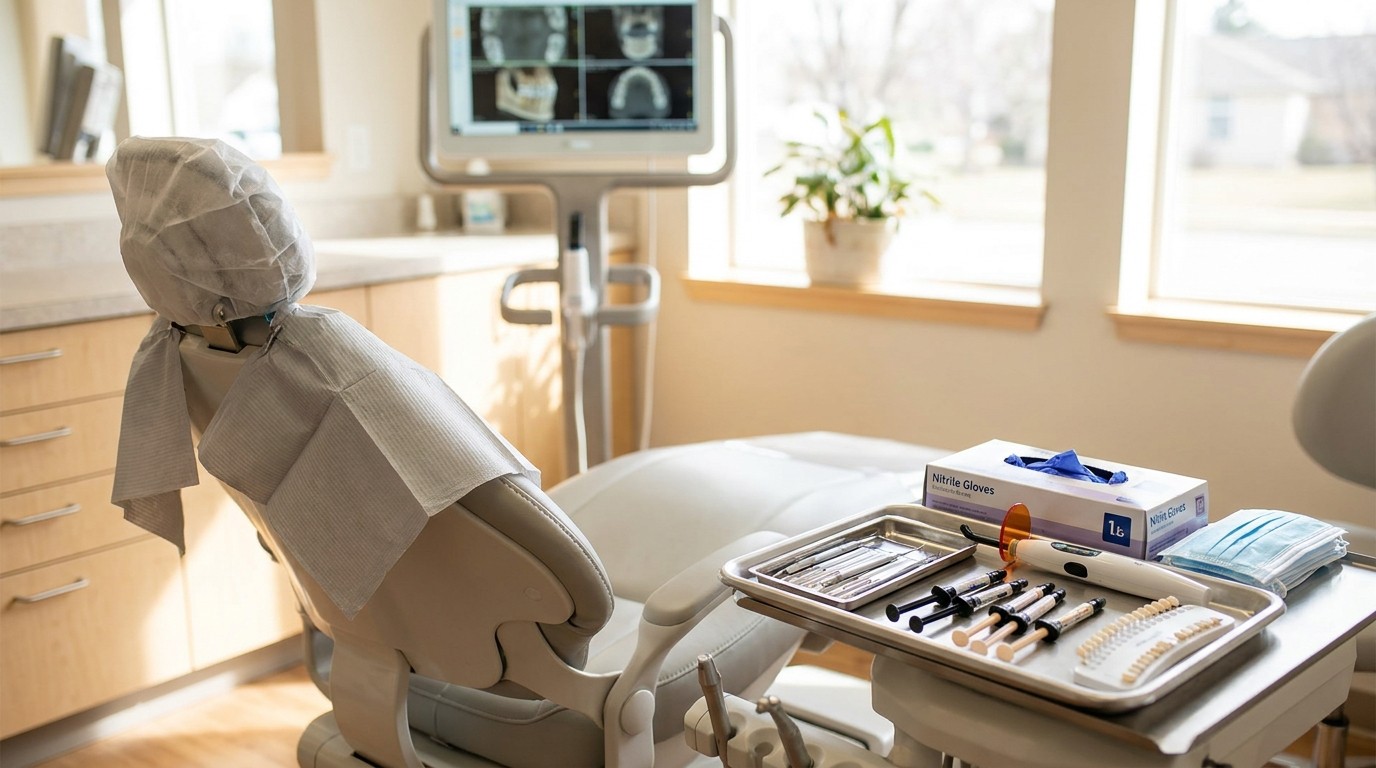
What is SMART (Safe Mercury Amalgam Removal Technique)?
SMART, or Safe Mercury Amalgam Removal Technique, is a set of extra precautions a dentist follows while removing a silver amalgam filling. The idea is to reduce a patient's exposure to mercury vapor and small particles during the removal itself. It is a technique applied when a filling is coming out anyway, not a recommendation to remove fillings.
Amalgam is the gray "silver" filling material dentists have used for well over a century. It is a blend of metals that includes mercury bound with silver, tin, and copper. When an amalgam filling is drilled, that process can release a small amount of mercury vapor and fine debris. SMART is built around containing and clearing that material so less of it reaches the patient, the dental team, and the room.
Where the protocol comes from
The protocol is associated with the International Academy of Oral Medicine and Toxicology (IAOMT), a group that developed it as a voluntary set of safe-handling steps. The U.S. Food and Drug Administration considers dental amalgam an acceptable filling material for most adults and children over six, while noting that certain higher-risk groups may want to discuss alternatives. SMART sits inside that landscape as a careful handling method, not a medical claim.
Why might someone replace an amalgam filling?
Most amalgam fillings are replaced for ordinary dental reasons, the same reasons any filling gets replaced. A filling does not last forever, and the most common triggers are wear, fracture, and new decay around the edges. In other cases, a patient simply prefers a tooth-colored material and chooses to swap an old metal filling. Personal preference is a valid reason too.
Common clinical reasons
The filling is failing or worn
Fillings flex and absorb pressure every time you chew. Over years, an amalgam filling can develop cracks, chips, or gaps at the margin where it meets the tooth. When the seal breaks down, bacteria can slip underneath. At that point the filling needs to come out and be replaced, regardless of what it is made of.
There is new decay or a crack in the tooth
Sometimes decay forms next to or under an existing filling. Sometimes the tooth itself cracks around a large old filling. Either situation usually means removing the old material so the dentist can clean out the decay and rebuild the tooth properly. The condition of the tooth, not the metal, drives the decision.
Personal or cosmetic reasons
Some people choose to replace stable amalgam fillings because they want a natural, tooth-colored look, or because they prefer to avoid metal restorations going forward. That is a personal choice, and a reasonable one. A dentist's role is to explain the trade-offs, including that replacing a sound filling does remove some healthy tooth structure, and then let the patient decide.
Is removing a mercury filling safe?
Removing an amalgam filling is a routine dental procedure that dentists perform safely every day. The relevant point with mercury is the brief vapor and particles released during drilling. Major health bodies, including the FDA, regard amalgam as a stable material in the mouth and do not recommend removing intact fillings purely out of safety concern. The careful part is the removal process itself.
This is exactly the gap that SMART aims to fill. The precautions are about reducing short-term exposure during the few minutes of drilling, both for the patient and the dental team. It is worth saying plainly: replacing a healthy, well-sealed filling carries its own small downsides, since the procedure always removes a bit of natural tooth. That is one reason dentists do not advise routine removal of fillings that are doing their job.
What precautions does the SMART protocol involve?
The SMART protocol layers several barriers and clearance steps during removal so that less mercury vapor and debris reach the patient. The specific measures vary by office, but the goal is consistent: contain the material at the source, capture it, and clear it from the air. Here are the common elements you may notice if you choose this approach.
Steps you may see during the visit
Protection for the patient
A rubber dam, which is a thin barrier placed over the tooth, isolates the work area and limits what can be swallowed or inhaled. Patients are often given a separate source of clean air to breathe through the nose, plus protective covering over the skin, eyes, and clothing. The dentist also keeps the filling cool with water and works in larger pieces when possible to limit fine dust.
Capturing the material
High-volume suction placed close to the tooth pulls away particles and vapor as the filling is sectioned and lifted out. Copious water and steady suction together reduce how much debris becomes airborne in the first place. The removed amalgam is collected and disposed of as a regulated waste rather than washed down a drain.
Clearing the air in the room
Many SMART-minded offices run additional air filtration or purification near the chair to capture vapor that escapes the immediate work area. The dental team typically wears masks rated for the task along with eye protection. None of these steps changes whether amalgam is safe in the mouth. They are about the removal moment only.
What replaces the amalgam (tooth-colored composite)?
When an amalgam filling comes out, it is most often replaced with a tooth-colored composite resin that bonds directly to the tooth. Composite blends in with the natural enamel and lets the dentist conserve more healthy tooth structure compared with older techniques. For larger or load-bearing teeth, a ceramic inlay, onlay, or crown may be a sturdier choice than a direct filling.
Material options to discuss
Direct composite (tooth-colored filling)
Composite is placed in a single visit, shaped, and hardened with a curing light. It is a common, conservative replacement for small to medium fillings. The dentist matches the shade to your tooth so the result looks natural rather than metallic.
Ceramic restorations and biocompatible options
When a tooth has lost a lot of structure, a ceramic onlay or crown can carry chewing forces better than a large filling. At Smyrna Dental Studio, biological and holistic options include CEREC same-day ceramic crowns and biocompatible materials for patients who prefer to avoid metal. Your dentist can walk through which material suits the specific tooth and bite.
Does insurance cover SMART amalgam removal in Smyrna?
Coverage depends on why the filling is being replaced, not on the SMART label itself. When a filling is failing, decayed, or cracked, dental plans often treat the replacement filling as a covered restorative procedure, subject to your plan's rules. When removal is purely elective, for cosmetic or personal reasons, plans are far less likely to pay. Extra SMART precautions are usually not separately reimbursed.
How costs typically work
Fees vary with the size of the filling, the number of teeth, and the replacement material chosen, so an exact figure needs an exam and a personalized estimate. Many offices offer payment plans or work with third-party financing to spread the cost. Our team can review your benefits and give you a written estimate before anything starts. You can reach Smyrna Dental Studio through the contact page or by phone to ask about your options.
Should I have my amalgam fillings removed?
For most people with intact, comfortable silver fillings, the honest answer is no, there is usually no need to remove them. The strongest reasons to replace an amalgam filling are clinical: it is failing, there is decay, or the tooth is cracked. Beyond that, replacement is a personal choice. The right move is a conversation with your dentist about your specific teeth and goals.
When replacement makes more sense
Replacement is more reasonable when a filling is breaking down, when decay has formed nearby, when a large old filling is undermining the tooth, or when you simply prefer a tooth-colored, metal-free result and understand the trade-offs. If you fall into a group your dentist or physician flags for extra caution, that is also worth discussing directly with them.
When it is usually best to leave them alone
If a silver filling is sealed, stable, and not causing problems, removing it means giving up healthy tooth structure for little practical gain. In those cases many dentists suggest monitoring the filling at regular checkups rather than replacing it. Watchful waiting is a legitimate, common recommendation, not a brush-off.




Frequently asked questions
Are amalgam fillings dangerous?
Major health authorities, including the FDA, consider dental amalgam an acceptable, stable filling material for most adults and children over six. The agency notes that certain higher-risk groups may wish to discuss alternatives. Intact fillings are generally not recommended for removal on safety grounds. If you have specific concerns, raise them with your dentist or physician.
Is SMART removal painful?
Replacing a filling is done with local anesthetic, so the tooth is numb during the procedure, and the SMART precautions do not add discomfort. Some patients feel mild sensitivity afterward, which usually settles within a few days. For anxious patients, Smyrna Dental Studio also offers sedation options. Tell your dentist about any worries so the visit can be planned around them.
How long does it take to replace an amalgam filling?
A single tooth-colored filling often takes roughly an hour, though larger fillings, multiple teeth, or a ceramic restoration can take longer. The SMART setup adds a few minutes for barriers and air clearance. Your dentist can estimate the time once they have examined the tooth and decided on the replacement material.
Can I replace all my silver fillings at once?
Some patients prefer to space replacements over several visits, doing one quadrant of the mouth at a time, which can be more comfortable and easier to budget. Others choose to combine teeth into fewer appointments. There is no single rule. Your dentist will suggest a sequence based on the condition of each tooth and your preferences.
Where can I get SMART amalgam removal near Smyrna, GA?
Smyrna Dental Studio offers the SMART protocol along with tooth-colored composite and biocompatible materials for patients who choose to replace an amalgam filling. The practice serves Smyrna, GA 30082 and nearby Vinings, Mableton, Marietta, and Austell. You can book an exam to talk through your fillings and whether replacement makes sense for you.
Talk it through before you decide
SMART is a careful way to remove an amalgam filling, used mainly when that filling needs to come out or when a patient chooses to replace one. It is not a verdict that silver fillings are unsafe, and it is not a reason to remove healthy ones. The best next step is an exam and an honest conversation about your specific teeth. If you would like that conversation, the team at Smyrna Dental Studio in Smyrna, GA is happy to help. Call (770) 863-0005 or reach out through the contact page to schedule a visit. The practice serves Smyrna and nearby Vinings, Mableton, and Marietta.
This article is general information, not a diagnosis or treatment recommendation. A licensed dentist should evaluate your situation before any decision about your fillings.
Reviewed by Dr. Leslie Patrick, DDS, at Smyrna Dental Studio in Smyrna, GA. Smyrna Dental Studio, formerly Patrick Family Dental, provides general, cosmetic, restorative, and holistic dental care, including SMART amalgam removal and biocompatible materials, to patients in Smyrna and the greater Atlanta metro.
