What I Wish I Knew Before Dental Implants: 7 Real Lessons
TL;DR: 7 Things Implant Patients Wish They Had Known
About 60% of dental implant patients wish they had known one specific thing before treatment: that the timeline is 4 to 9 months, not weeks. The other most common wishes are clearer bone-density expectations, realistic pain expectations (less than feared), the importance of the night guard, and how the cost actually breaks down across phases.
Timeline: 4 to 9 months for healing, not weeks
Bone density: Why grafting is sometimes needed first
Pain reality: Less than expected for most patients
Night guard: Critical for protecting your investment
Cost phases: Surgery + abutment + crown breakdown
Hindsight from patients who finished implant treatment
Patients across Smyrna, Marietta, and Sandy Springs who have completed implant treatment often share the same set of "wish I had known" reflections at follow-up visits. Below we walk through the 7 most common ones, what each reveals about the actual implant journey, and how our Smyrna team works to set expectations correctly at the consultation so patients are not surprised. The patients who report the smoothest experience all got these answers up front, not at month three.

Wish #1: The timeline is months, not weeks
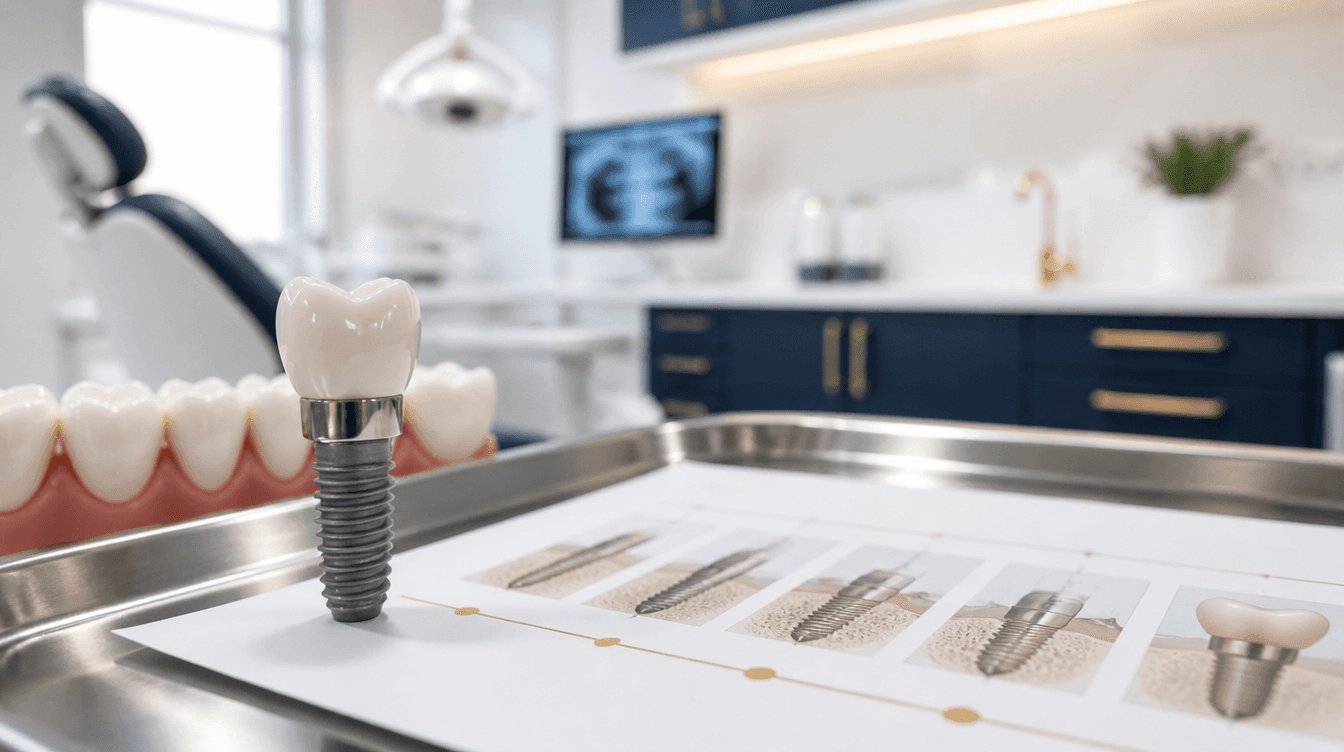
The single most common reflection we hear is surprise about the implant timeline. From extraction or initial consultation to the final crown, most cases run 4 to 9 months total. The osseointegration phase (where the titanium fixture fuses with the jawbone) takes 3 to 6 months alone, regardless of how skilled the dentist is. We coach Smyrna patients to think of implants as a multi-month project, not a single-day procedure. According to American Academy of Implant Dentistry guidance, this timeline is biological, not clinical. Patients who came in expecting weeks often felt frustrated; patients who came in expecting months reported smooth experiences.
Wish #2: Bone density screening matters before scheduling surgery
Patients often wish they had known earlier that bone density plays a key role. About 30% of our Smyrna implant cases need bone grafting first, which adds 4 to 9 months to the total timeline. We use 3D CBCT imaging on every implant evaluation to map exact bone height and width, so the answer comes from data on day one. Our implant and reconstruction lead, Dr. Raheel Thobhani, plans every case with the bone-density assessment as the first step. Tooth loss can lead to bone changes over time, which may affect eligibility or timing.
Wish #3 to #5: Pain, the night guard, and post-op food
Implant pain is consistently less than patients expect. According to a clinical analysis on PubMed, most patients report mild to moderate discomfort for 3 to 5 days after placement, manageable with ibuprofen. Most patients tell us it was easier than the extraction that preceded it. The night guard is the most-overlooked tool: about 60% of our implant patients are nighttime grinders, and a custom night guard added at the same appointment as the crown extends implant life by years. Soft food for the first 7 to 10 days after surgery is mandatory; many patients underestimate how much this affects their week.
Wish #6 and #7: Cost phases and the importance of the right surgeon
Implant cost breaks into three phases: the surgical placement of the titanium fixture, the abutment connection, and the final crown. Each phase has its own fee, and many patients are surprised that the "implant cost" they were quoted is sometimes only the fixture, not the complete restoration. We give every Smyrna patient a written total breakdown at the consultation, with each phase priced separately. The other major wish is that patients had asked more about surgical experience and 3D imaging up front. Our implant services page covers the full process and pricing transparency.



Frequently Asked Questions
How long does the entire dental implant process take?
4 to 9 months for most cases, longer if bone grafting is needed first. The osseointegration phase alone is 3 to 6 months. We give every patient a written timeline at the consultation so the multi-month commitment is clear up front.
Is the implant procedure as painful as people say?
Less than most expect. Mild to moderate discomfort for 3 to 5 days, managed with over-the-counter ibuprofen. Most patients tell us the procedure itself was easier than the extraction that preceded it. We use guided implant placement with surgical templates to minimize tissue trauma.
What happens if my bone is too thin for an implant?
We do a bone graft first. About 30% of our Smyrna implant cases need grafting, which adds 4 to 9 months to the total timeline. We use 3D CBCT imaging to plan the grafting precisely.
Why do implants fail occasionally?
The leading causes are uncontrolled diabetes, smoking, and untreated periodontal disease. Implant failure rates are under 5% over 10 years in well-screened patients. We pre-screen for these factors and address them before placement.
Is the cost worth it compared to bridges or dentures?
Yes for most patients, when measured over 20 years. Implants cost more upfront but typically last longer than bridges (10 to 15 years) and prevent the bone loss that follows extraction. The lifetime cost is often lower.
Set expectations right the first time and the experience smooths out
For most Smyrna implant patients, the difference between a smooth experience and a frustrated one comes down to one factor: how clearly the timeline, costs, and post-op expectations were explained at the consultation. The patients we see who finish implant treatment happiest all got those clear up front. The reflections in this article are the same conversations we now have with new patients on day one.
Considering an implant?
Whatever's been holding back your implant decision, we can give you the full picture. Whether you are in Smyrna, Marietta, or Sandy Springs, the team at Smyrna Dental Studio uses 3D CBCT imaging and written timelines for every implant case. See our implant services, schedule your consultation, or call (470) 801-9986.
Written by Blake Hundley.