What Is the 2-2-2 Rule in Dentistry?
Quick answer: What the 2-2-2 rule means
The 2-2-2 rule is a popular shorthand for brushing 2 times a day, for 2 minutes each time, and seeing a dentist about 2 times a year. We could not find it as an official ADA name, but the parts match common dental guidance. Some people need visits more often, so ask your dentist for your schedule.
Brush twice a day for two minutes with fluoride toothpaste.
Plan on a dental exam and cleaning about every six months.
Some people need cleanings more often, such as those with gum disease.
The rule does not cover cleaning between your teeth, so add that too.
You may have heard someone say "just follow the 2-2-2 rule" and wondered if it is an official dental guideline or just a catchy phrase. It is a memory aid for brushing 2 times a day, for 2 minutes each time, and seeing a dentist about 2 times a year. At Smyrna Dental Studio in Smyrna, GA, this guide walks through what each number means and what trusted dental sources say about it.

What is the 2-2-2 rule in dentistry?
The 2-2-2 rule is an easy way to remember three habits: brush twice a day, brush for two minutes, and visit the dentist twice a year. We could not find it as an official named rule from the ADA, so think of it as a memory aid, not a formal standard.
Where the numbers come from
Each "2" lines up with guidance from trusted sources. The American Dental Association recommends brushing teeth twice a day for two minutes using a fluoride toothpaste. Cleveland Clinic says most dentists recommend a cleaning every six months, which works out to twice a year.
Why a simple rule can help
Habits stick when they are easy to remember. Three matching numbers are simple to keep in your head, and they cover both your home routine and your professional care. Our page on preventive dentistry in Smyrna explains how those visits fit into a healthy routine.
What is the 2 2 2 rule for teeth?
For your teeth, the 2-2-2 rule means brushing in the morning and at night, spending a full two minutes each time, and having your teeth checked and cleaned twice a year. The brushing part is what you do every day. The dental visit part is the professional cleaning and exam.
Brushing twice a day
Morning and night brushing gives you two chances a day to remove plaque. The ADA also advises using a fluoride toothpaste, which it links with a lower risk of cavities.
Brushing for two minutes
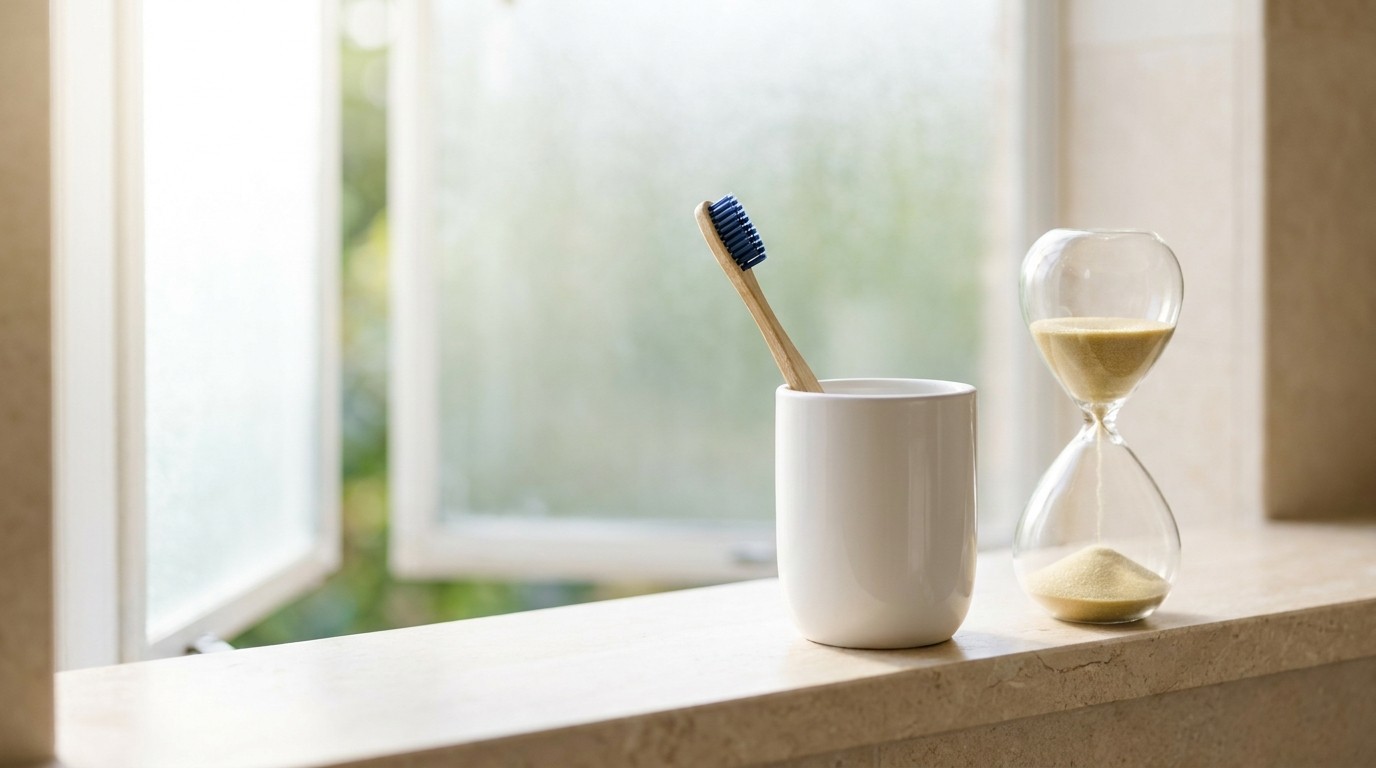
Two minutes is longer than many people think. A phone timer or a song can help you keep going. Use a soft-bristled brush and move gently across every surface of every tooth.
Visiting the dentist twice a year
A routine visit usually includes an exam and a professional cleaning. Cleveland Clinic says cleanings remove plaque and tartar buildup from your teeth surfaces and can lower your chance of cavities and gum disease. If you are new to us, our post on what a dental checkup involves shows what to expect.
Is seeing the dentist twice a year right for everyone?
Not always. Twice a year is a common starting point, but the right schedule depends on your mouth. Cleveland Clinic notes that some people need cleanings more often, and that you should ask your dentist how often is right for you.
Who may need visits more often
Cleveland Clinic lists people who have gum disease, have a family history of cavities, have a weak immune system, or are dealing with illness or stress. If any of these sound like you, your dentist may suggest a different rhythm.
What to do if it has been a while
Do not let that stop you from booking. A dentist can look at where things stand and set a plan with you, without judgment.
Want this checked? You can book an exam online or call (770) 863-0005, and we can help you set a schedule that fits your mouth.
Is the 2-2-2 rule the same as the 3-3-3 dental rule?
No. They are different ideas with similar names. The 2-2-2 rule is about everyday prevention. The 3-3-3 rule is a separate phrase people search for when they have a toothache or suspect an infection, and it is not a replacement for a dental exam.
Where to read about the 3-3-3 rule
We cover it in its own posts, so we will not repeat it here. See the 3-3-3 rule for tooth pain and the 3-3-3 rule for tooth infection. If you have ongoing tooth pain, call the office instead of waiting.
What does the 2-2-2 rule leave out?
The 2-2-2 rule leaves out cleaning between your teeth and replacing your toothbrush. The ADA recommends cleaning between your teeth daily and replacing your toothbrush about every three to four months, and neither habit fits inside the three 2s. Add both to your routine.
Clean between your teeth
The ADA's oral health recommendations say to clean between your teeth daily. A toothbrush cannot reach every space, so floss or another between-teeth cleaner fills the gap.
Replace your toothbrush
The ADA says toothbrushes should be replaced about every three to four months, or sooner if the bristles are matted or frayed. Worn bristles do not clean as well.
Know the warning signs
Do not wait for your next visit if you notice bleeding gums that do not settle, a tooth that hurts on its own, swelling in your gums or face, or a sore in your mouth that does not heal. Call the office. If you have trouble breathing or swallowing, a fever with facial swelling, or swelling that spreads across your face or neck, go to the ER or call 911.



Frequently asked questions
Is the 2-2-2 rule an official ADA guideline?
No, we could not find the "2-2-2 rule" as an official ADA name. It is a popular shorthand. The pieces behind it, twice-daily brushing for two minutes and regular dental visits, do appear in ADA and Cleveland Clinic guidance.
How long should I brush my teeth?
Two minutes, twice a day, using a fluoride toothpaste, according to the ADA. Use a soft-bristled brush and cover all tooth surfaces. A timer can make it easier to keep going until the time is up.
Do I still need a checkup if my teeth feel fine?
Yes, a checkup is still worthwhile even when your teeth feel fine. Cleveland Clinic says cleanings remove plaque and tartar buildup from your teeth surfaces and can lower your chance of cavities and gum disease. Your dentist can also tell you how often you should come in based on your gums, cavity history and health.
Can I brush longer or more often to skip a visit?
No. Brushing is important, but it does not replace an exam or a professional cleaning. Your dentist can see and treat things you cannot reach or notice at home. Aim to do both, and ask what schedule suits you.
Does the 2-2-2 rule include flossing?
No. The 2-2-2 rule covers brushing and dental visits only. The ADA recommends cleaning between your teeth daily, so floss or another between-teeth cleaner is a helpful addition to the three 2s. Ask your dentist which option suits your mouth.
Book a visit and set your own routine
The 2-2-2 rule is a friendly starting point, and your dentist can tailor it to you. If you would like to talk it through, book an exam online or call (770) 863-0005, and we will help find the earliest visit available. You can learn more about dental consultations in Smyrna, meet our team, including Dr. Natasha Kanchwala, and read what happens at your first appointment with a new dentist. We are serving Smyrna and nearby Vinings, Mableton, Marietta and Austell. This is general information, not a diagnosis. A dentist needs to examine you to advise on your situation.
