Why Does a Dental Crown Take 2 Weeks? The Two-Visit Process Explained
TLDR (Too Long; Didn't Read)
Traditional dental crowns require a certified dental laboratory to hand-craft a permanent restoration from detailed impressions taken at your first visit. That fabrication process typically takes 7 to 14 business days, according to the American Dental Association. Some dental offices ours offer same-day crowns using CEREC CAD/CAM technology, milling your crown in-office in about 1-two hours. Book your appointment online at Smyrna Dental Studio today.
So Why Does Getting a Crown Take Two Visits?
If your dentist told you to come back in two weeks for your permanent crown, you're not alone in wondering why it takes so long. According to the American College of Prosthodontists, more than 15 million dental crowns are placed in the U.S. each year, and the vast majority still follow a two-appointment process. The wait isn't a scheduling quirk. It reflects how much precision goes into building a restoration that fits, bites, and looks exactly right.
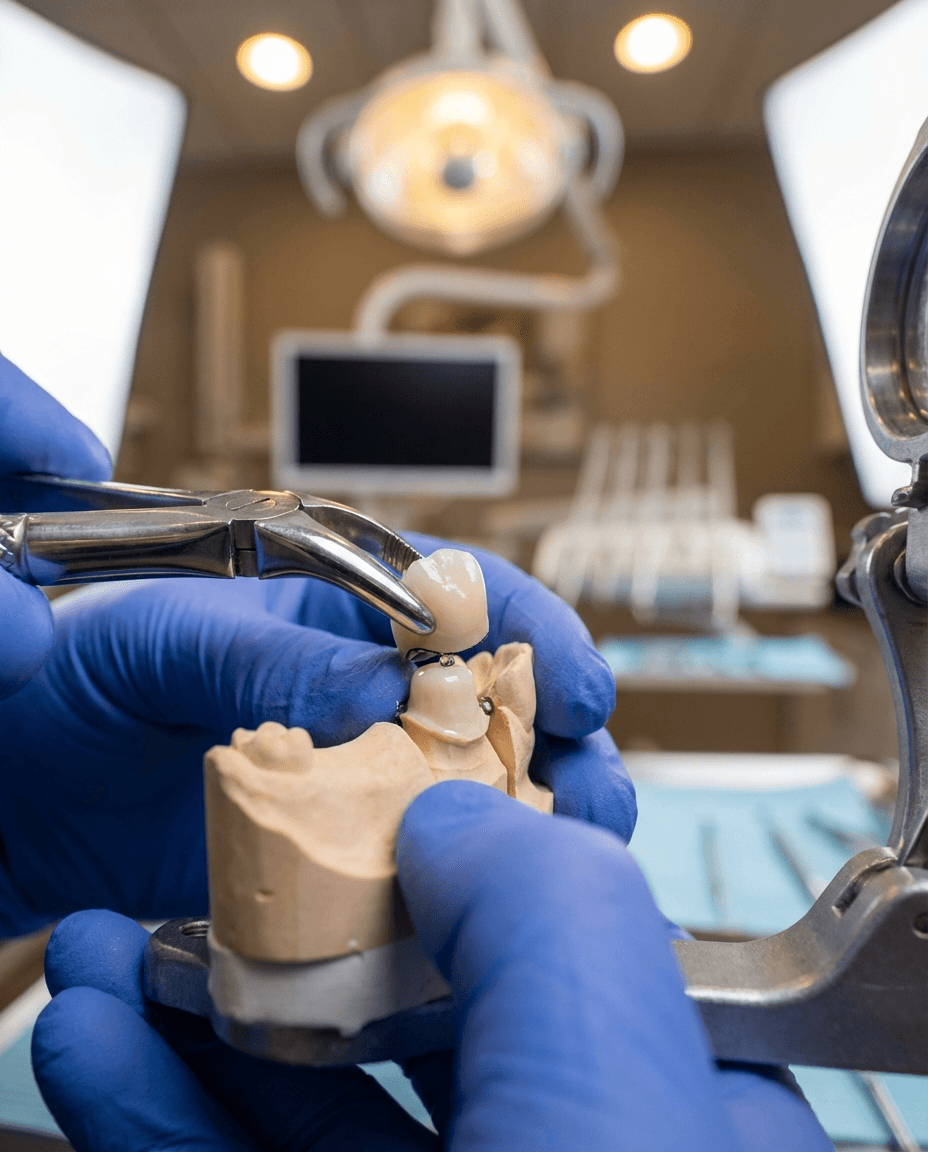
Between your first and second visit, a skilled dental technician at an off-site laboratory is sculpting your crown from scratch. They work from impressions of your tooth, matching its shape, size, and shade to the surrounding teeth. That level of custom craftsmanship simply can't be rushed.
What Actually Happens During the Traditional Two-Visit Crown Process?
The two-visit timeline exists because a permanent crown is a precisely engineered restoration. Research published in the Journal of Prosthetic Dentistry shows that a proper fit, measured in microns, directly affects crown longevity and gum health. Rushing fabrication increases the risk of a poor margin seal, which can lead to decay under the crown.
Visit One: Tooth Preparation and Impressions
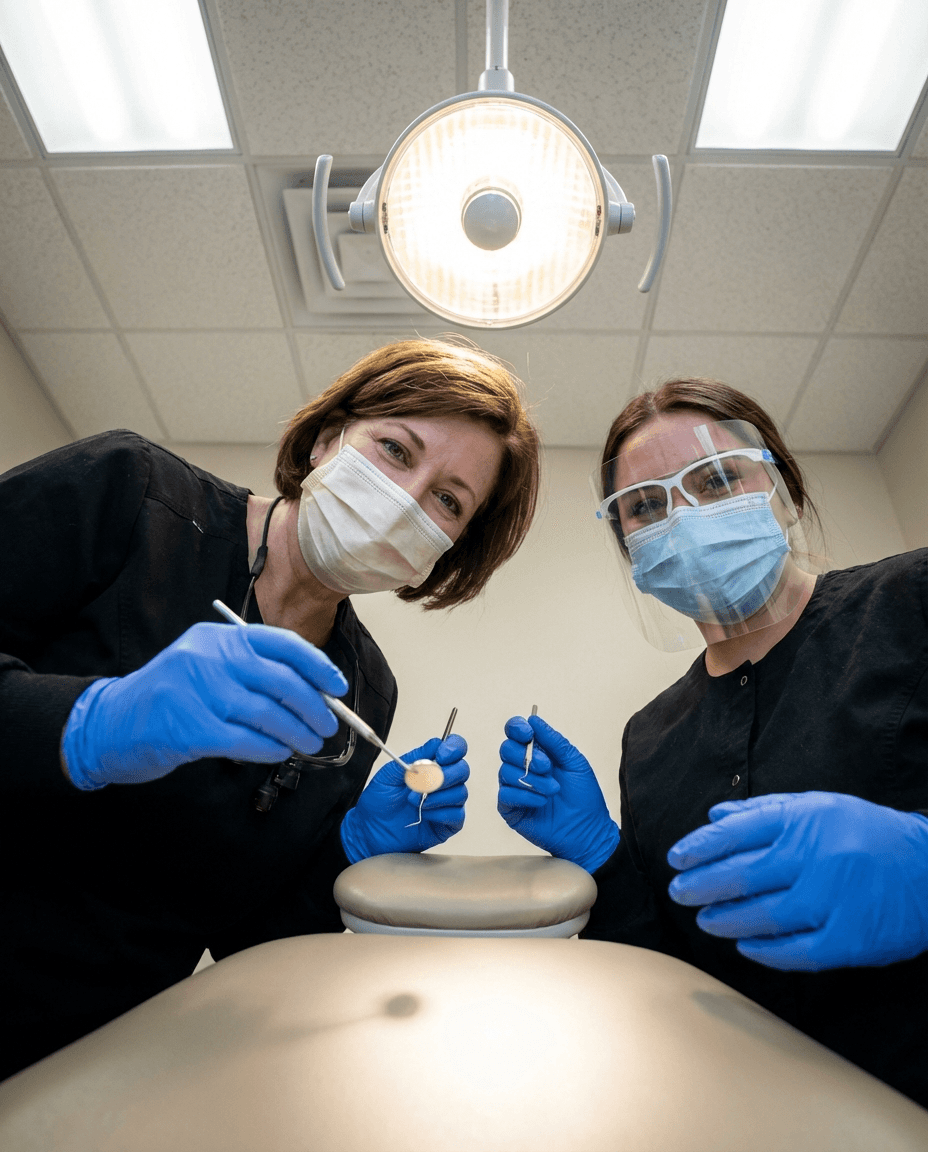
At your first appointment, your dentist numbs the area and reshapes the tooth by removing a thin layer of enamel. Precise impressions (or a digital scan) capture the exact contours of the prepared tooth and the bite. A temporary crown is placed to protect the tooth while you wait.
The Lab Phase: Where the Two Weeks Go
Your impressions travel to a dental laboratory where a certified technician pours stone models, selects the right materials, and hand-builds the crown in layers. Each layer must be fired in a kiln and cooled before the next is applied. The full process typically spans 7 to 14 business days, per standard lab turnaround benchmarks cited by the National Association of Dental Laboratories (NADL).
Visit Two: Fitting and Cementing the Permanent Crown
When the lab returns the finished crown, your dentist checks the fit, color, and bite before permanently cementing it in place. Minor adjustments are made chairside. The result is a restoration built to last 10 to 30 years with proper care, according to the American Dental Association.
Are Same-Day Crowns a Real Alternative?
Yes, and they've improved significantly. A 2019 systematic review in the Journal of Dentistry found that CEREC same-day crowns show comparable clinical longevity to traditionally lab-fabricated crowns over five-year follow-up periods. Most of our patients come in and leave same day with a permanent crown.
How CEREC CAD/CAM Technology Works
With CEREC technology, a small intraoral camera takes a 3D digital scan of your prepared tooth. Software designs the crown on-screen, and an in-office milling machine carves it from a ceramic block in roughly 15 to 20 minutes. The whole appointment, preparation, milling, and cementation, typically finishes in about two hours.
When a Traditional Lab Crown Might Still Be the Better Choice
Same-day crowns are excellent for back teeth and straightforward restorations. However, highly visible front teeth, complex bite issues, or cases requiring specialized materials may benefit from a traditional lab workflow. Your dentist will recommend the approach best suited to your specific tooth, bite, and aesthetic goals.
It does not have to. The two week wait exists because the crown is made off site. Smyrna Dental Studio designs and mills same-day crowns in the office instead.



Frequently Asked Questions About Crown Wait Times
Q: Can my dentist make the crown faster if I need it sooner?
A: Some dental labs offer rush fabrication for an additional fee, compressing the timeline to 3 to 5 business days. Ask your dentist whether that option is available. If the office has CEREC technology, a same-day crown eliminates the wait entirely.
Q: What do I do if my temporary crown falls off before my second appointment?
A: Call your dental office right away. A dislodged temporary leaves the prepared tooth vulnerable to sensitivity, shifting, and bacterial exposure. Avoid sticky or hard foods while wearing a temporary crown, they're the leading cause of premature dislodgement.
Q: Is a same-day crown less durable than a traditional crown?
A: Not necessarily. A 2019 review in the Journal of Dentistry found comparable five-year survival rates between CEREC and lab-fabricated crowns. Durability depends more on material selection, bite forces, and oral hygiene than on whether the crown was milled in-office or at a lab.
Q: Will my temporary crown look and feel normal?
A: Temporary crowns are made from acrylic resin and are functional but not designed for aesthetics or long-term wear. You'll wear it for 1 to 2 weeks, avoid chewing gum, hard candy, or anything sticky on that side to keep it secure.
Common Myths vs. The Truth About Crown Timelines
Myth: The two-week wait is just about scheduling, the crown is probably ready sooner.
Truth: The lab timeline is real. Building a crown in ceramic layers, firing each layer in a kiln, and verifying the bite requires multiple stages spread across several days. Rushing those steps compromises fit and longevity.
Myth: Same-day crowns are just for people who don't want to wait, they're lower quality.
Truth: CEREC technology has matured significantly. Clinical studies show same-day crowns perform comparably to traditional crowns over five-year follow-up periods. The right choice depends on your tooth's location, material needs, and your dentist's recommendation.
Myth: The temporary crown is just as good as the permanent one.
Truth: Temporary crowns are made from acrylic, a placeholder material that lacks the strength, seal, and durability of ceramic or porcelain. They're not designed to handle normal chewing forces over the long term.
Understanding why crowns take two weeks makes the process a lot less frustrating. The wait reflects real craftsmanship happening at a dental laboratory, and that precision is what gives a well-made crown the potential to last decades. Whether a traditional lab crown or a same-day CEREC crown is right for you depends on your tooth, your bite, and your timeline. The team at Smyrna Dental Studio, including Dr. Natasha Kanchwala, Dr. Leslie Patrick, and Dr. Raheel Thobhani, will walk you through your options and help you choose the restoration approach that fits your life. Book your appointment online at Smyrna Dental Studio today.