SERVICES
Quick answer: Oral appliance therapy uses a custom-made mouthpiece, worn during sleep, that holds your lower jaw slightly forward to help keep your airway open. A physician or sleep medicine provider diagnoses sleep apnea, not a dentist. At Smyrna Dental Studio, our role is to examine your mouth and jaw, coordinate with your sleep provider, and make and adjust the appliance.
Sleep is the foundation of overall wellness, yet many people have undiagnosed airway issues that disrupt rest. At Smyrna Dental Studio, we provide non-invasive oral appliance options that may help you breathe more easily, snore less, and sleep more soundly.
Key facts
Sleep apnea and snoring care at a glance
Diagnosis: made by a physician or sleep medicine provider, usually after a sleep study.
The device: a custom mandibular advancement appliance made from digital impressions of your teeth.
Who it is often considered for: people with mild to moderate sleep apnea, or those who cannot tolerate CPAP, if their sleep provider agrees.
Visits: a consultation, impressions, a fitting, then follow-ups.
Adjustment: the device is typically moved forward in small steps over time.
Insurance: coverage varies and may involve your medical plan.
Understanding Airway Health
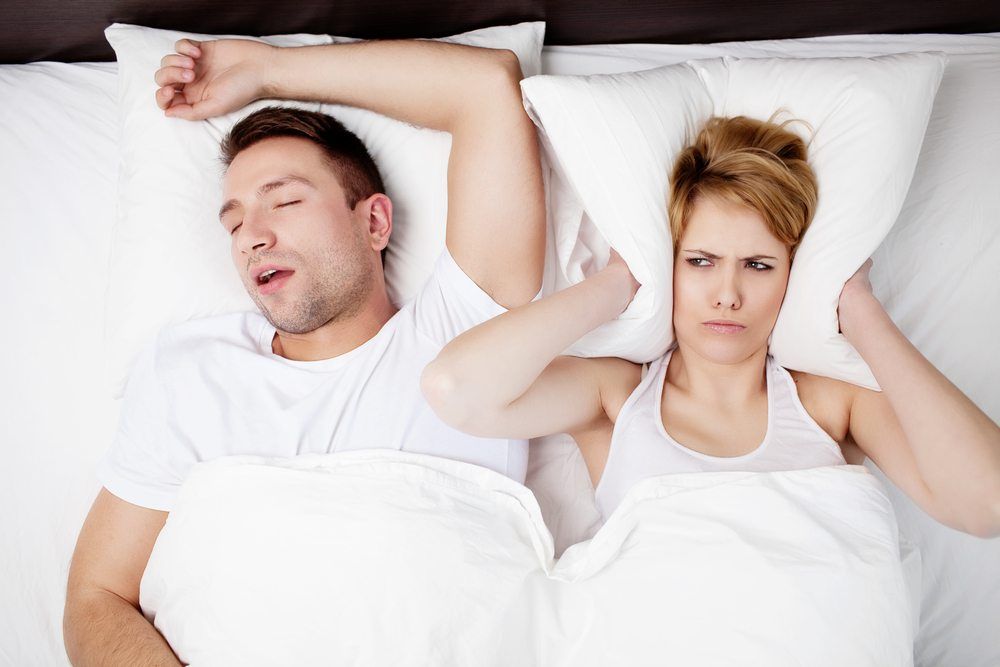
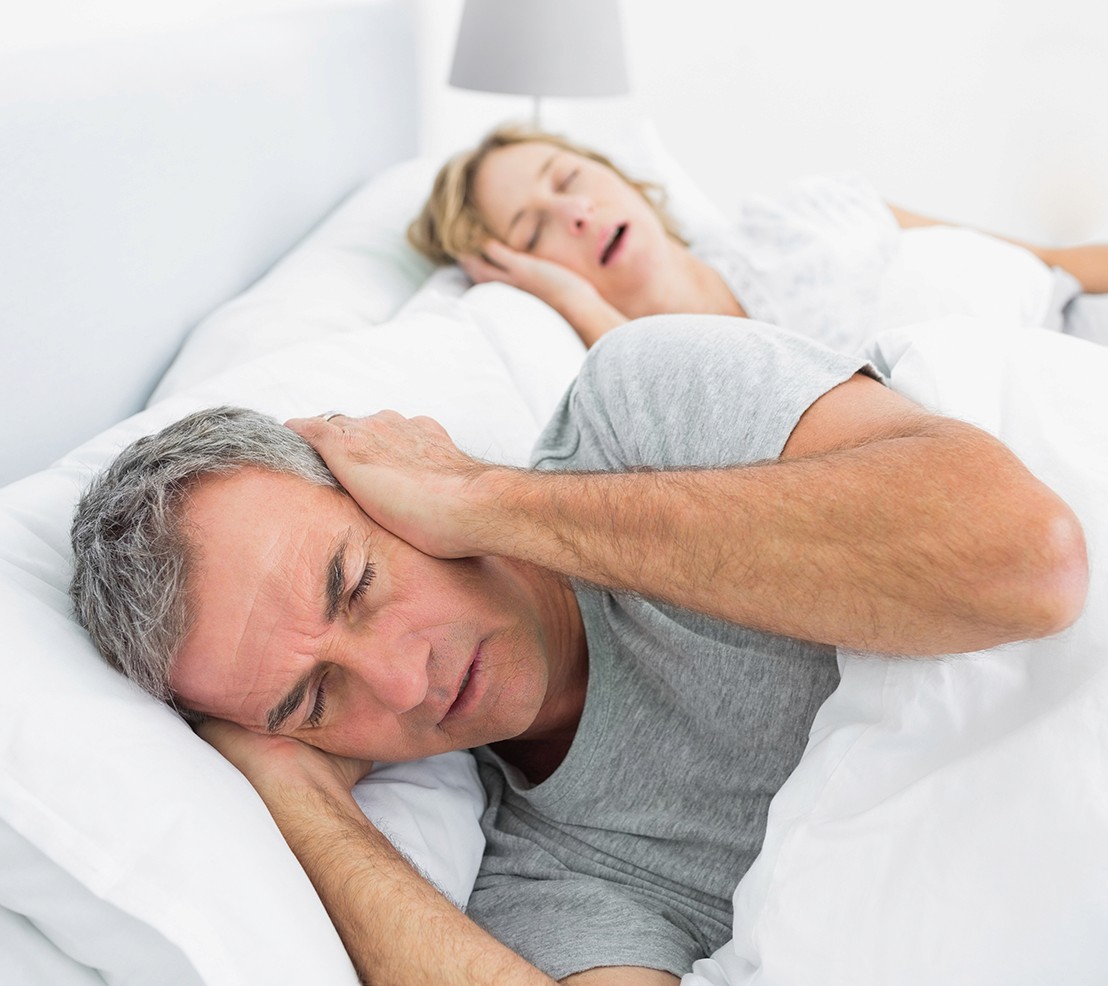
Obstructive Sleep Apnea (OSA) and chronic snoring are more than just nighttime nuisances; they are red flags regarding your airway health. When the soft tissues in your throat collapse during sleep, your breathing can pause or become shallow, and your oxygen level can drop many times a night.
As dental providers, we look at how the structure of your mouth and jaw affects your airway. Poor breathing during sleep can affect your overall health.
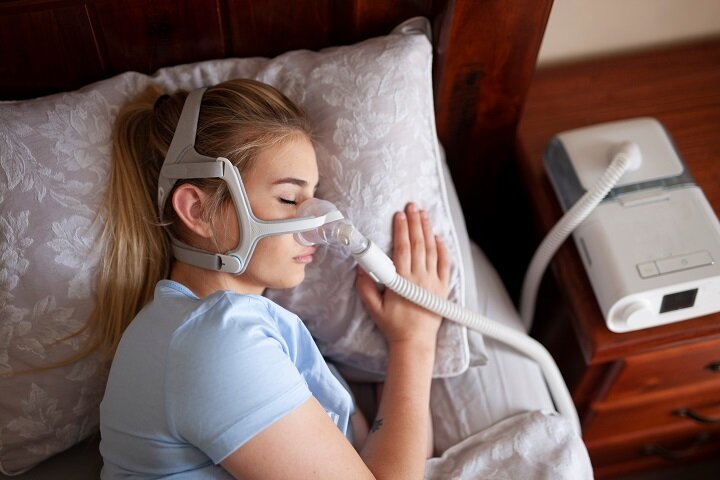
For many patients, the solution isn't a bulky machine, but Oral Appliance Therapy. We create custom-fitted dental devices that gently reposition the jaw forward, helping keep the airway open. For mild to moderate sleep apnea, it can be a comfortable, travel-friendly alternative to CPAP when your physician agrees it fits your case.
Who it is for
Who is oral appliance therapy right for?
It may suit you if you snore, or your partner notices breathing changes at night, and your sleep provider has diagnosed sleep apnea or ruled it out. It is also often considered for adults with mild to moderate sleep apnea, or those who cannot tolerate a CPAP machine. According to MedlinePlus, snoring alone does not mean you have sleep apnea.
An appliance may not suit you if you have severe sleep apnea, where CPAP is usually the main treatment, or if you have jaw joint problems, loose teeth, active gum disease or too few teeth to hold the device. Ask your sleep provider which treatment fits your severity, ask us whether your teeth and jaw can support an appliance, and ask about testing.

Benefits of Treatment
Treating sleep apnea can make a real difference to your health.
Support Heart Health: Untreated sleep apnea has been linked to high blood pressure, stroke, and heart disease.
Restore Your Energy: Better sleep may ease daytime fatigue and brain fog, with more time in deep and REM sleep.
Quieter Nights: Reducing loud snoring can help your partner sleep, so the whole household can rest better.
Comfort & Convenience: Unlike CPAP machines, oral appliances are silent, require no electricity, and fit in your pocket, so they are easy to travel with.
Process
Navigating sleep disorders can feel complex, but at Smyrna Dental Studio, we make the path to restorative rest simple and transparent. We believe in a collaborative, science-based approach that looks at the factors behind your airway issues. From the initial screening to the final adjustment of your custom appliance, here is how we guide you toward better breathing and better health:
01
The Holistic Airway Consultation
We begin with a comprehensive exam that goes beyond teeth. We evaluate your airway, tongue position, tonsils, and jaw structure. We will discuss your sleep habits, energy levels, and overall health history to decide whether you should be evaluated for a sleep disorder by a physician.
02
Diagnosis & Collaboration
We believe in an integrative medical approach. If we suspect sleep apnea, we can facilitate a home sleep test or coordinate with a local sleep physician for a formal diagnosis. This helps make sure treatment matches your diagnosis.
03
Custom Appliance Fabrication
Once diagnosed, we take precise digital impressions of your teeth to create your custom Oral Mandibular Advancement device. Unlike over-the-counter guards, this is medical-grade and calibrated specifically to your anatomy for comfort.
04
Fitting, Titration & Support
When your device is ready, we check the fit. We will guide you on how to adjust (titrate) the device gradually to find the "sweet spot" where snoring is reduced and airflow improves. We schedule follow-up visits to monitor your progress and check how your symptoms are responding.
Cost and insurance
How much does oral appliance therapy cost?
The cost depends on the design of the appliance, the impressions and fittings, how many follow-up visits you need, and whether you also need a sleep study or physician visits, which are billed separately from our office. Later adjustments count too.
Because sleep apnea is a medical condition, some of the cost may fall under your medical plan rather than a dental plan. Smyrna Dental Studio accepts dental insurance, and our team can help you understand your benefits and what to ask your medical insurer. Cherry financing may be available for qualifying patients. We also accept cash, checks and major credit cards.
Risks and alternatives
Risks, limits and alternatives
An oral appliance is not a cure, and it may not control sleep apnea fully for every person. Possible side effects include sore jaw muscles, sore teeth, extra saliva or dry mouth, and slow changes in how your teeth fit together. Tell us if you notice any of these, because the device may need an adjustment.
Your sleep provider should recheck how well treatment is working, because snoring can quiet down even when breathing problems continue.
According to the National Heart, Lung, and Blood Institute (NHLBI), positive airway pressure machines such as CPAP are the most common treatment, and mouthpieces are an option for people who cannot use or tolerate them. Other options include lifestyle changes, exercises for the tongue and facial muscles, and surgery. If your case needs treatment beyond an appliance, we may recommend a referral to your sleep provider or another specialist.
Recovery and aftercare
What to expect while using your device
There is no recovery period, but there is a getting-used-to-it period. Your jaw or teeth may feel a little different in the morning at first. Wear the device as directed, clean it as we show you, and keep it away from heat and pets.
We typically adjust the device in small steps at follow-up visits, while you and your sleep provider watch your symptoms. Come in if your jaw is sore for more than a short time, your bite feels different, or the device loosens or cracks. Keep up regular dental checkups, and ask your sleep provider about a follow-up sleep test.


FAQs About Sleep Apnea & Snoring Solutions in Smyrna, GA
Can a dentist really treat a sleep disorder?
Is this a replacement for a CPAP machine?
Will the device be uncomfortable to wear?
Does insurance cover oral appliance therapy?
Does snoring mean I have sleep apnea?
Who diagnoses sleep apnea, and do I need a sleep study first?
How is a custom oral appliance different from a store-bought snoring guard?
Everything you need before you book
Related treatments and reading
Wake Up Refreshed and Ready for Life
Don’t let another night of poor sleep impact your health. Schedule your airway consultation at Smyrna Dental Studio today.