Dentist Open Now Near Smyrna, GA? What to Do Today
Quick answer: What should you do if you need a dentist right now?
Call a dental office first and describe what is happening. Our team will help find the earliest visit available. If the problem is severe and you cannot reach anyone, go to the nearest emergency room, and call 911 for trouble breathing or swallowing. Home care can ease discomfort, but it does not fix the cause.
Call first. Many dentists have an emergency number you can call after business hours.
Go to the ER or call 911 for trouble breathing or swallowing, spreading swelling, a high fever or bleeding that will not stop.
An ER can ease pain and swelling, but it does not do fillings or crowns.
A knocked-out tooth is time sensitive. Keep it moist and call right away.
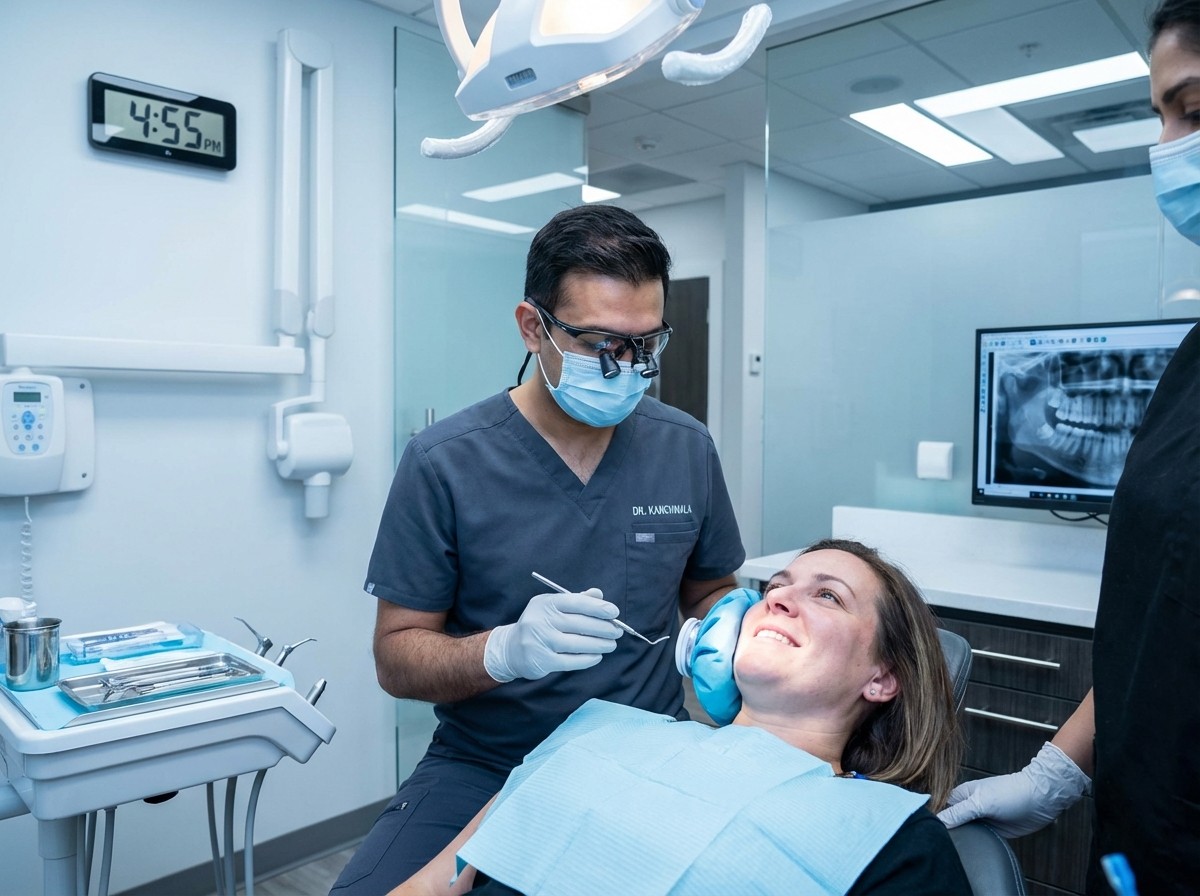
You have a toothache, a broken tooth or a lost crown, and you want a dentist now. A web page cannot tell you who can see you this minute, so this guide shows what to do next instead. You will learn who to call, what you can do at home and when the ER or 911 is the right choice. If you are near Smyrna Dental Studio in Smyrna, GA, calling our team is a good first step.
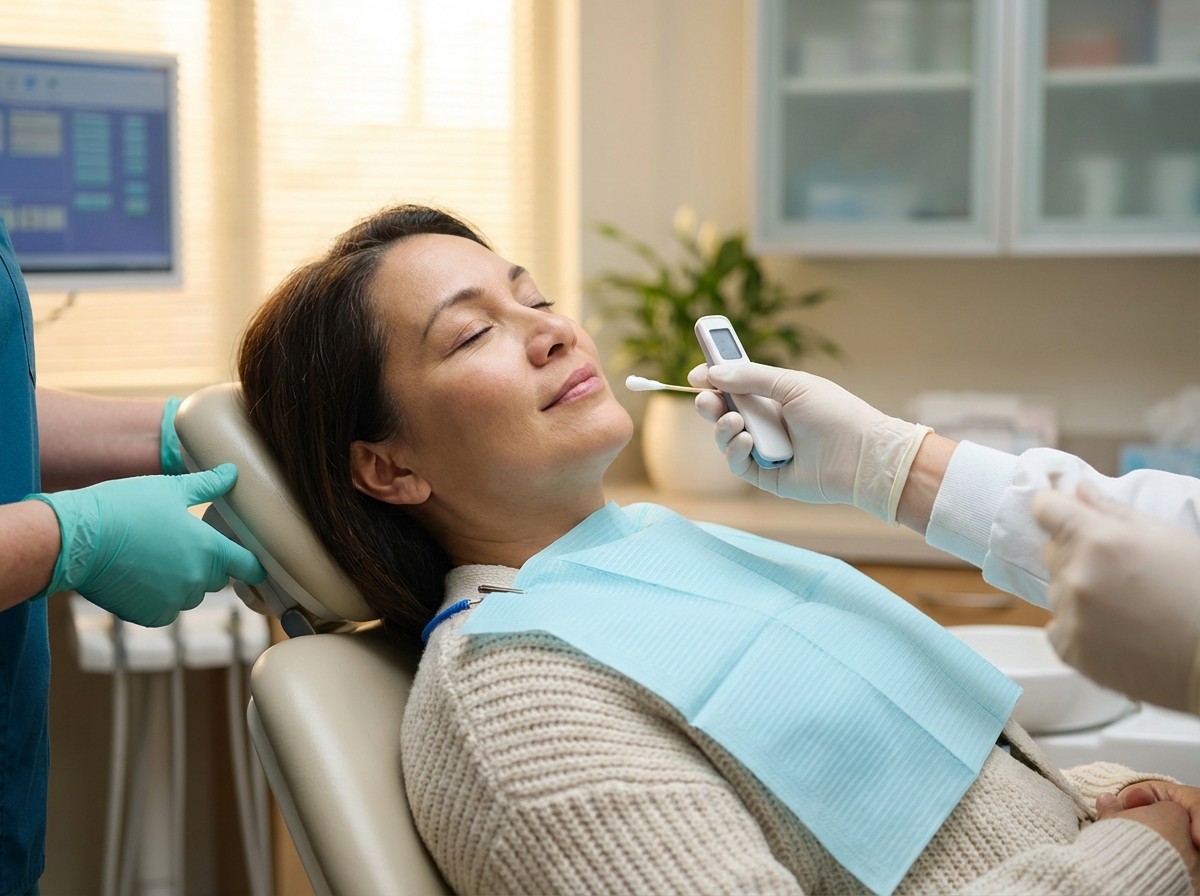
How do you find a dentist who can see you now?
Call the office. The American Dental Association's MouthHealthy site says to call your dentist first because many dentists set aside time for emergency patients. Tell us what is happening, and our team will help find the earliest visit available. You can also read about our emergency dental care.
What should you say when you call?
Which tooth hurts and when the pain started
Whether you have swelling, a fever or bleeding
Whether a tooth is broken, loose or knocked out, or a filling or crown came off
Whether the pain is getting worse
Any health conditions or medicines you take

What if no one answers?
Cleveland Clinic says many dentists have an emergency number you can call after regular business hours. If you do not have a dentist or cannot reach one, it suggests an urgent care center or the nearest emergency room. For severe symptoms, do not wait on a callback.
Wondering if an emergency visit means losing the tooth? Read will an emergency dentist extract a tooth.
What counts as a dental emergency?
Cleveland Clinic defines a dental emergency as any dental problem that requires immediate attention. Examples include a severe toothache, a badly cracked tooth, a knocked-out or partly dislodged tooth, a dental abscess, a lost or broken filling or crown, and a severe injury to the soft tissues.
Toothache and infection
Pain that comes from the tooth itself usually means it needs treatment. A toothache with swelling, a fever or a bump on the gum may point to infection. We cover the 3-3-3 rule for tooth infection in a separate post.
Cracked, broken or chipped teeth
The ADA's MouthHealthy site says to rinse your mouth with warm water, put cold compresses on the face to keep swelling down, and see your dentist as soon as possible. Cleveland Clinic adds that you should save any broken pieces.
Want this checked? Describe what is going on and we can help you decide on the next step. You can book online or call (770) 863-0005.
When should you call a dentist right away?
Call a dentist right away for severe pain, a knocked-out tooth, a broken tooth, swelling or a bump on the gum. Go to the emergency room or call 911 if you have trouble breathing or swallowing, swelling that spreads toward your eye, face or neck, a high fever, or bleeding that will not stop.
Signs that need care right away
Severe pain that medicine does not relieve
Swelling below the eye or a knot on the jaw
A fever along with tooth pain
Bleeding that does not stop with pressure
A knocked-out or partly dislodged tooth
Trouble breathing or swallowing
For a knocked-out or partly dislodged tooth, or tooth pain with a fever, call us at (770) 863-0005. For trouble breathing or swallowing, swelling below the eye or spreading toward the eye, face or neck, a knot on the jaw, a high fever, bleeding that will not stop with pressure, or severe pain that medicine does not relieve, go to the nearest emergency room or call 911 without waiting for a callback.
What can you do at home until you are seen?
Home care can ease discomfort for a short time. Cleveland Clinic suggests rinsing with warm water, flossing out trapped food, using a cold compress on swelling and taking an over-the-counter pain reliever as the label directs. Ask a pharmacist what is safe for you. None of this fixes the cause.
What should you avoid?
Never place a pain tablet against the gum or tooth, because it can burn the tissue, according to Cleveland Clinic. Our post on how to stop a toothache at night has more on getting through the evening.
What if a tooth is knocked out?
The American Association of Endodontists says to pick the tooth up by the crown, not the root, and rinse it with plain water only if it is dirty. Try to place it back in the socket right away. If that is not possible, keep it moist in milk or against your cheek, and do not use tap water for storage.
Time matters. The AAE advises seeing a dentist within 30 minutes, and Cleveland Clinic says the chance of saving the tooth is highest within one hour. Call right away.
Can the ER fix a toothache?
The ER can ease the symptoms, but it cannot finish the dental repair. Cleveland Clinic says emergency rooms can give medicine for pain and swelling, such as antibiotics or pain relievers, but they do not perform restorative treatments like fillings or crowns. You still need to see a dentist afterward.
When is the ER the right choice?
Cleveland Clinic's toothache page lists swelling below the eye or a knot on the jaw, severe pain that medicine does not relieve, bleeding that will not stop with pressure and a fever as reasons to go. Unbearable tooth pain with fever and chills is a dental emergency.



Frequently asked questions
Should I go to urgent care or the ER for tooth pain?
If you have no dentist or cannot reach one, Cleveland Clinic suggests an urgent care center or the nearest ER. Choose the ER for severe symptoms such as trouble swallowing, spreading swelling or a high fever. Either place can ease symptoms, but a dentist still needs to treat the tooth.
Is a lost filling or crown an emergency?
Cleveland Clinic lists a lost or broken filling or crown among examples of dental emergencies. Call the office and describe what happened. Keep the crown or any pieces if you have them, since Cleveland Clinic advises saving broken pieces. Our lost filling or crown page has more.
Can I wait if the pain is mild?
Mild pain from a tooth still points to a problem. Cleveland Clinic says pain that originates in the tooth usually means it needs treatment, and it advises calling a dentist if a toothache lasts longer than two days. Call sooner if the pain grows or swelling appears.
What if my toothache starts at night?
Call the office and follow any instructions you are given. Use the home care steps above, such as a cold compress, until you are seen. If you have trouble breathing or swallowing, spreading swelling or a high fever, go to the ER or call 911.
Call and tell us what is going on
The quickest way to find out what to do is to talk to a dentist's office. Dr. Leslie Patrick provides family, preventive and general dentistry. Book online or call (770) 863-0005, and our team will help find the earliest visit available for patients from Smyrna and nearby areas. This is general information, not a diagnosis. A dentist needs to examine you to advise on your situation.