How Long Do Dental Crowns Last? What Smyrna Patients Need to Know
TLDR (Too Long; Didn't Read)
Most dental crowns last between 10 and 15 years, and many last 20 or more with good oral hygiene and regular checkups. The material your crown is made from, how well it fits, and your daily habits all play a major role in how long it holds up. If you're wondering whether your crown is nearing the end of its life, or you need a new one, Book your appointment online at Smyrna Dental Studio.
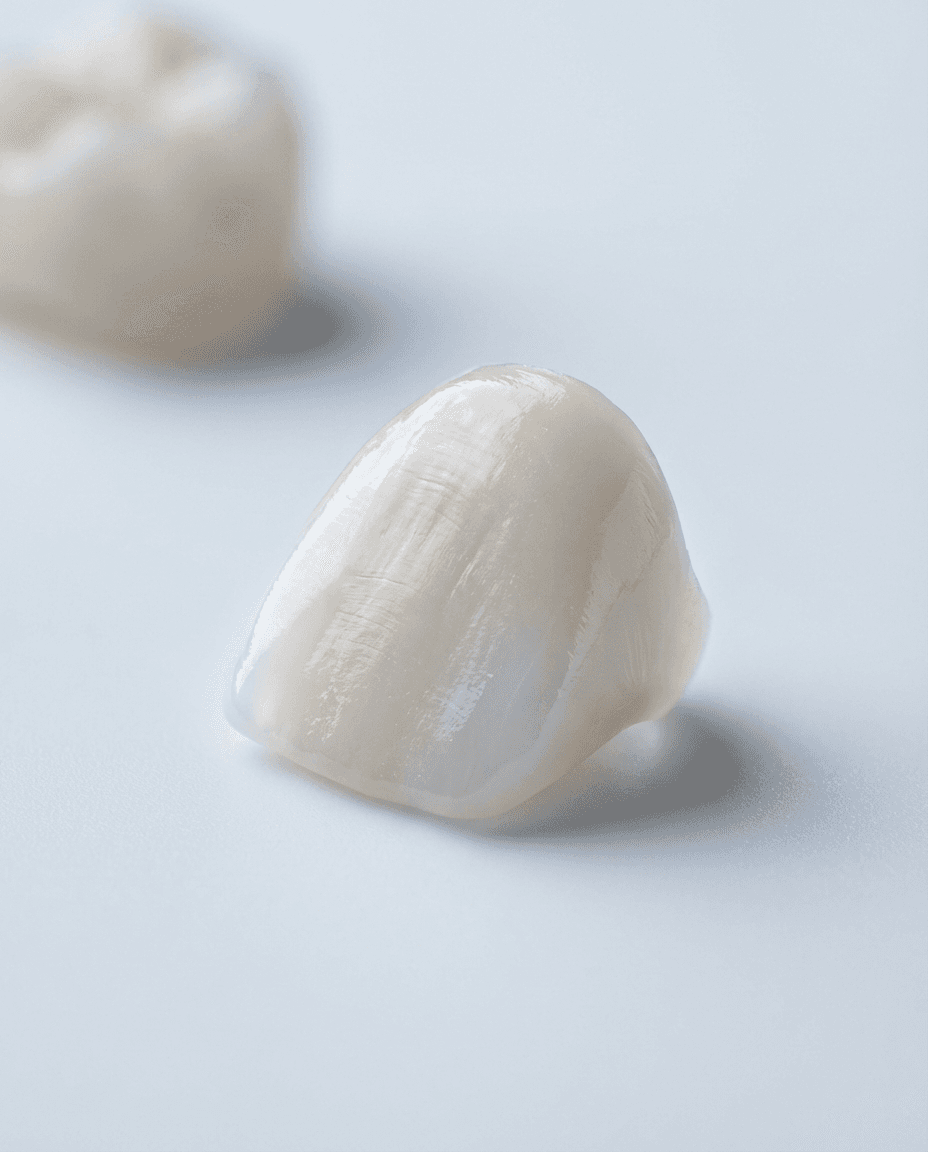
You Just Got a Crown, How Long Will It Actually Last?
Getting a dental crown is a real investment in your smile, and it's completely natural to wonder how long that investment will hold up. Whether your crown was placed to protect a cracked tooth, cover a large filling, or restore one after a root canal, you deserve a straight answer, not a vague "it depends."
The good news is that modern dental crowns are built to last. With the right material, a well-trained dentist, and a little everyday care on your end, most patients get well over a decade out of a single crown. Here's what the research says, and what you can do to push that number higher.

How Long Do Dental Crowns Typically Last?
According to the American Dental Association (ADA), dental crowns typically last between 10 and 15 years, though many crowns remain functional for 20 to 30 years when properly maintained. The wide range comes down to a few key variables: crown material, bite forces, oral hygiene habits, and how often a patient comes in for checkups.
Crown failure rarely happens all at once. More often, a crown slowly loosens, the cement seal degrades, or a small chip develops over time. Catching these changes early at a routine exam is one of the simplest ways to extend the life of a crown, and protect the tooth underneath it.
Crown Lifespan by Material
Not all crowns are built the same. All-ceramic and porcelain crowns are the most popular choice today because they match the natural tooth color closely. Research published in the Journal of Dentistry found that all-ceramic crowns show a survival rate of approximately 90% at 5 years and around 75-80% at 10 years, depending on placement location and occlusal forces (Pjetursson et al., Journal of Dentistry, 2015).
Porcelain-fused-to-metal (PFM) crowns have a longer track record and tend to be more durable under heavy chewing pressure. Studies show PFM crowns achieve survival rates above 87% at 10 years (Sailer et al., Clinical Oral Implants Research, 2015). The trade-off is a thin metal line that can sometimes show at the gumline as gums naturally recede with age.
Full gold or metal alloy crowns are the most durable option available. They rarely chip or fracture and typically outlast ceramic alternatives, some lasting 20 to 40 years. They're less popular today for cosmetic reasons but remain an excellent choice for back molars where appearance matters less than strength.
What Factors Shorten, or Extend, a Crown's Life?
Crown longevity isn't just about material. According to a systematic review in the International Journal of Prosthodontics, patient-related behaviors such as bruxism (teeth grinding), poor oral hygiene, and infrequent dental visits are among the leading causes of early crown failure.
Habits That Shorten Crown Life
Teeth grinding (bruxism) is one of the most common reasons crowns fail ahead of schedule. The repeated pressure, often happening while you sleep, can crack porcelain or loosen the cement bond. If your dentist suspects you grind at night, a custom nightguard is one of the best investments you can make alongside a crown.
Chewing on ice, biting fingernails, or using your teeth to open packaging puts stress on a crown that it wasn't designed to handle. Skipping regular cleanings also plays a role. Bacteria can work under the crown margin over time, leading to decay on the natural tooth structure beneath, a condition called secondary caries.
Habits That Extend Crown Life
Brushing twice a day and flossing daily, especially around the crown margin where it meets the gumline, removes the plaque that causes secondary decay. Using a non-abrasive fluoride toothpaste helps protect both the crown surface and the surrounding natural teeth.
Coming in for a checkup every six months gives your dentist a chance to spot early wear patterns, check the bite, and reseal a crown before a small issue turns into a replacement. Studies consistently show that patients who maintain regular recall appointments retain crowns significantly longer than those who skip routine visits (Donovan, Journal of the California Dental Association, 2008).



Frequently Asked Questions About Dental Crown Lifespan
Q: Can a dental crown last a lifetime?
A: It's possible, but uncommon. Some gold and metal crowns placed decades ago are still functional today. Most crowns, however, need replacement eventually due to normal wear, cement breakdown, or changes in the surrounding gum and bone. A realistic expectation is 15-25 years with excellent care.
Q: How do I know when my crown needs to be replaced?
A: Common signs include sensitivity to hot or cold, pain when biting, a visible crack or chip, or a crown that feels loose or rocks slightly. Sometimes there are no symptoms at all, which is why X-rays at regular checkups are important.
Q: Does getting a crown mean the tooth is safe from decay?
A: No. The tooth root and the margin where the crown meets the gumline are still vulnerable to decay. Secondary caries, decay forming under or around a crown, is one of the leading reasons crowns fail. Good brushing and flossing habits protect that vulnerable margin every day.
Q: Is it normal for a crown to feel different from my natural tooth?
A: A slight adjustment period of a few days is normal. Your bite may feel slightly off at first, and your dentist can adjust the crown's height in a quick follow-up visit. If sensitivity or discomfort persists beyond two weeks, that's worth a call.
Q: Does dental insurance cover crown replacement?
A: Most dental insurance plans cover crown replacement after a waiting period, typically five years from the original placement date, though this varies by plan. Your dental office's front desk team can often help verify benefits before your appointment.
Common Myths vs. The Truth
Myth: Once you have a crown, you don't need to worry about that tooth anymore.
Truth: A crown protects the visible part of the tooth, but the root and surrounding gum tissue still need regular care. Decay can still develop at the crown margin, and gum disease can affect the supporting bone regardless of whether a crown is present.
Myth: Porcelain crowns are fragile and break easily.
Truth: Modern ceramic and porcelain materials are significantly stronger than they were even 15 years ago. The risk of fracture goes up mostly when crowns aren't adjusted properly or when patients grind their teeth without protection.
Myth: A crown that doesn't hurt is a crown that's fine.
Truth: Many crown problems, including decay forming underneath and early cement failure, produce no pain at all until they've progressed significantly. This is exactly why routine dental X-rays and exams exist.
Myth: All dental crowns are basically the same.
Truth: Crown materials vary significantly in durability, aesthetics, and cost. A well-fitted crown placed by an experienced restorative dentist will consistently outlast a poorly fitted one regardless of material.
Dental crowns are one of the most reliable and long-lasting restorations in modern dentistry, but how long yours lasts depends on a combination of the right material, skilled placement, and consistent care on your end. Whether you're exploring a crown for the first time, wondering whether an older crown needs attention, or just want an honest assessment of your options, the team at Smyrna Dental Studio, including Dr. Natasha Kanchwala, Dr. Leslie Patrick, and Dr. Raheel Thobhani, is here to walk you through it without the pressure or the jargon. Book your appointment online at Smyrna Dental Studio today.