What Is the Most Feared Dental Procedure? A Calm Look
Quick answer: the root canal is the most feared procedure
And the fear no longer matches the experience
Surveys consistently put root canals at the top of the "most feared" list, followed by extractions and dental injections. Yet the American Association of Endodontists reports that people who have actually had a modern root canal are far more likely to call it comfortable than people who have only heard stories about it. Modern anesthesia, gentler techniques, and sedation options have changed the experience. The procedure most people dread is, for the majority of patients, similar to having a routine filling done.

If the thought of a dental appointment makes your chest tighten, you are in very good company. Fear of certain procedures keeps a lot of people out of the dentist's chair, and that avoidance usually makes small problems grow into bigger ones. At Smyrna Dental Studio in Smyrna, GA, we hear these worries every week, so this guide walks through which procedure people fear most, why that reputation is so outdated, and what actually makes a visit comfortable today.

What is the most feared dental procedure?
Root canals lead, but reputation drives the fear
Across patient surveys, the root canal is named the most feared dental procedure more often than any other treatment. Tooth extractions and the local anesthetic injection follow close behind. The pattern is telling: the treatments people fear most are the ones surrounded by the most secondhand horror stories, not the ones that cause the most discomfort in real life.
Most people who say they are terrified of a root canal have never had one. The mental image they carry tends to be decades out of date, formed before today's anesthetics and rotary instruments existed. A root canal removes infected tissue from inside the tooth and relieves the pain that brought you in, so for many patients it ends discomfort rather than causing it.
Why are root canals so feared if they are not that painful?
The story is scarier than the appointment
Dental fear feeds on itself. A frightening story from a relative, an uncomfortable visit in childhood, or a dramatized scene on television all stick in memory far longer than the thousands of routine, uneventful procedures that happen every day. Because a calm root canal is unremarkable, no one tells that story, so the scary version is the only one that spreads.
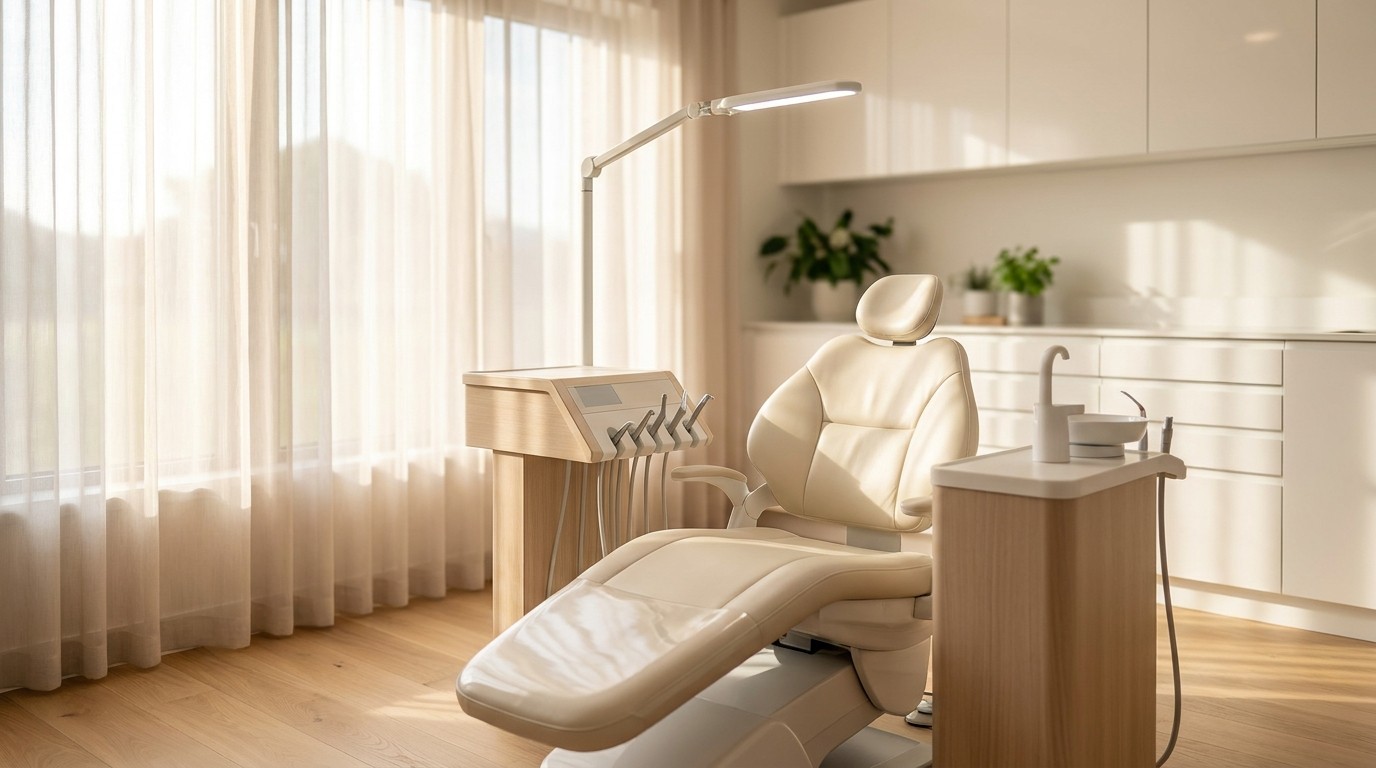
There is also a real biological piece. When you are anxious, your body is primed to notice every sensation and read it as a threat, which can make pressure or vibration feel like pain. That is exactly why comfort options matter. When you feel in control and physically relaxed, the same procedure registers very differently. If you have been avoiding care because of this cycle, our guide to sedation dentistry for anxious patients explains the options in plain terms.
What can make a feared procedure comfortable?
Numbing, sedation, and a dentist who listens
The first layer of comfort is local anesthesia, often started with a topical numbing gel so you barely feel the injection itself. For patients with stronger anxiety, sedation dentistry adds another layer, ranging from light options that keep you calm and aware to deeper sedation for longer or more involved visits. The right choice depends on your health history and the treatment, which is something a dentist should review with you first.
Beyond the clinical tools, pacing matters. Agreeing on a stop signal, explaining each step before it happens, and taking breaks can turn a dreaded appointment into a manageable one. Many anxious patients also do better with treatments that reduce the number of visits, such as same-day crowns, so there is less anticipation between appointments.
Which dental procedures actually cause the least discomfort?
Most routine care is gentler than its reputation
Cleanings, exams, tooth-colored fillings, and whitening are among the most comfortable treatments and are also the ones that prevent the bigger procedures people fear. Staying current with routine care is the most reliable way to avoid ever needing an emergency root canal or extraction. If you are weighing options for a painful tooth, our comparison of a root canal versus an extraction can help you understand what each involves.




Frequently asked questions
What is the number one most feared dental procedure?
The root canal is the procedure patients name as their biggest fear most often, followed by tooth extractions and the anesthetic injection. In practice, most patients describe a modern root canal as far easier than they expected.
Does a root canal hurt during the procedure?
For most people the tooth is fully numb, so the procedure feels like having a filling. Any soreness afterward is usually mild and managed with over-the-counter pain relievers. This is general information, not a diagnosis, so a dentist should evaluate your specific tooth.
What can I do if I am too scared to go to the dentist?
Tell the office about your anxiety when you book. Sedation options, topical numbing, a stop signal, and a slower pace all help. Choosing a dentist who takes your fear seriously makes the biggest difference.
Is sedation dentistry safe for anxious patients?
Sedation is widely used and is tailored to your health history and the treatment. A dentist will review your medical history and explain which option fits you before anything begins.
You do not have to dread your next visit
The most feared dental procedure is rarely as bad as its reputation, and you have more comfort options than ever. If anxiety has kept you away, a calm conversation is a good first step. Call Smyrna Dental Studio at (770) 863-0005 to talk through your concerns and build a plan that fits you. We care for patients across Smyrna and nearby Vinings, Mableton, and Marietta. This article is general information, not a diagnosis, and a dentist should evaluate your situation.
Reviewed by Dr. Natasha Kanchwala, DMD, at Smyrna Dental Studio in Smyrna, GA. Dr. Kanchwala focuses on comfortable, patient-centered care for nervous and routine patients alike.