Does Taylor Swift Have Veneers or Crowns? What Her Smile Teaches Us About Cosmetic Dentistry
TLDR (Too Long; Didn't Read)
Taylor Swift most likely has porcelain veneers, not dental crowns. Her smile evolution, from slightly gapped and asymmetrical in her early career to brilliantly uniform in recent years, is consistent with cosmetic veneers rather than restorative crowns. Veneers are thin shells placed over healthy teeth to improve appearance. Crowns are full caps used to restore damaged or structurally compromised teeth. The two procedures serve very different purposes, and knowing which one fits your situation is the first step toward your own smile transformation. Book your appointment online at Smyrna Dental Studio to find out.
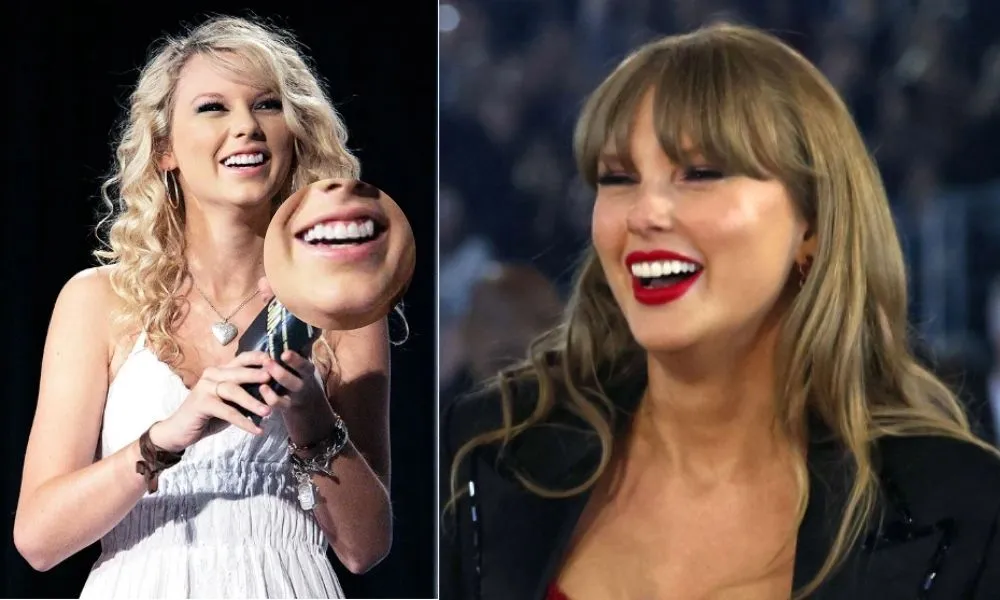
Taylor Swift's Smile Transformation, and What It Actually Tells Us About Cosmetic Dentistry
Few celebrities have had their smiles analyzed more closely than Taylor Swift. Compare photos from her early country era to her Eras Tour appearances and the difference is striking, her teeth went from slightly uneven and naturally spaced to perfectly symmetrical, brilliantly white, and flawlessly uniform. Dental professionals who've weighed in on the transformation widely agree it's most consistent with porcelain veneers, not crowns. The American Academy of Cosmetic Dentistry reports that veneer procedures have increased by over 25% in the past decade as more patients seek that same kind of seamless, camera-ready smile.
So what exactly separates a veneer from a crown? And how do you know which one you actually need? Understanding the difference could save you time, money, and unnecessary tooth structure removal.
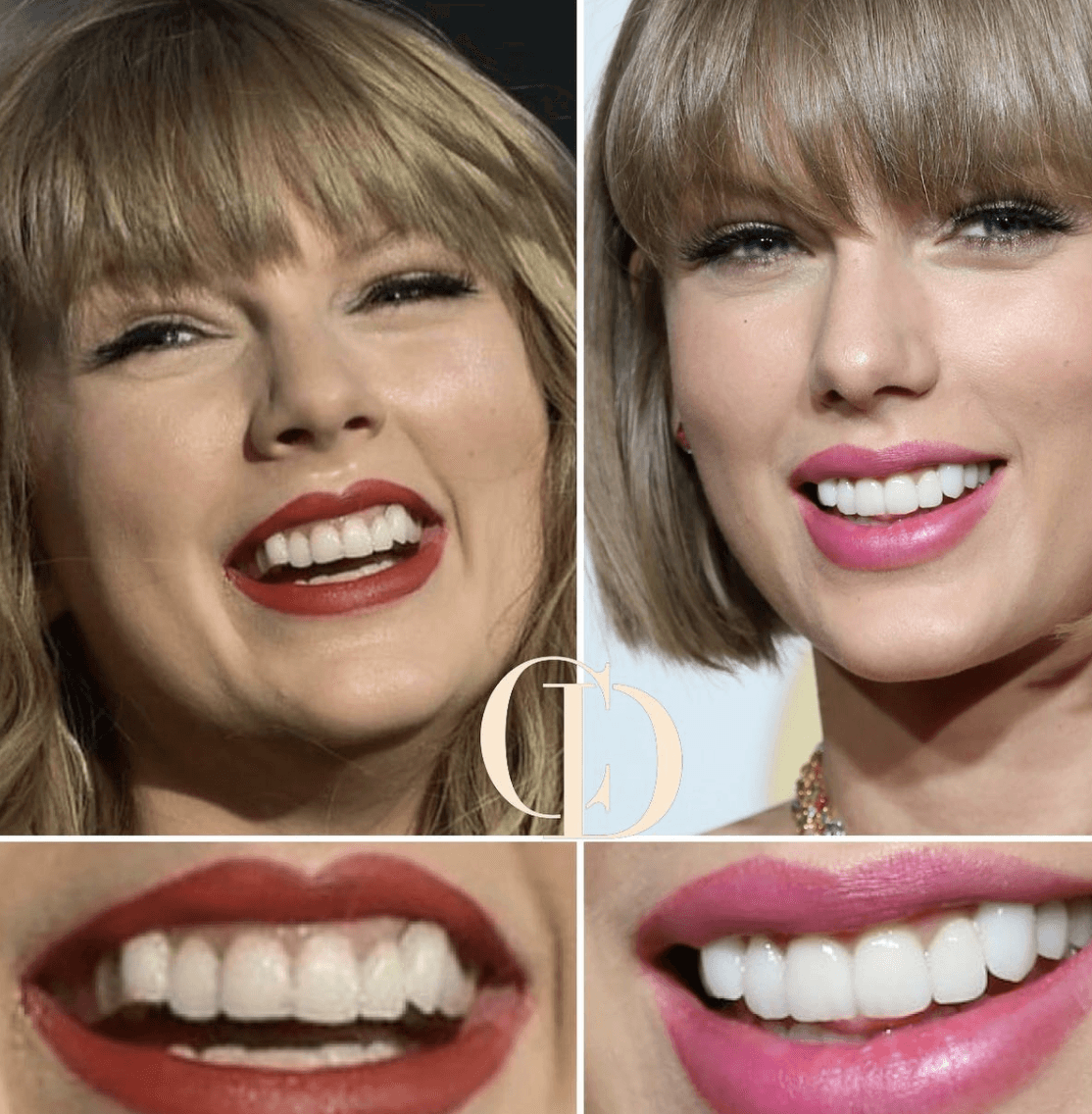
What Are Veneers vs. Crowns, and Why Does the Difference Matter?
According to the American Dental Association, veneers and crowns are among the most commonly confused cosmetic and restorative procedures in dentistry. But they differ in coverage, purpose, and how much natural tooth structure they require removing.
Dental Veneers: A Cosmetic Shell for Healthy Teeth
Porcelain veneers are ultra-thin shells, typically 0.5 to 0.7 millimeters thick, bonded to the front surface of a tooth. They're a cosmetic solution designed for teeth that are structurally sound but aesthetically imperfect. Common veneer indications include permanent staining, minor chips or uneven edges, slight gaps, and teeth that are shorter or more irregular in shape. Veneers typically last 10-20 years with proper care, according to research published in the Journal of Esthetic and Restorative Dentistry.
Dental Crowns: Full Coverage for Compromised Teeth
Dental crowns cap the entire visible portion of a tooth, from the gum line up. They're the right choice when a tooth is structurally compromised, cracked, severely decayed, worn down, or following a root canal. Placing a crown requires removing significantly more tooth structure on all sides so the cap can fit over what remains. If your teeth are healthy and you simply want a more polished look, a crown would be overtreatment.
Why Taylor Swift's Smile Points to Veneers
Dentists who've commented publicly on Swift's smile note several visual clues consistent with veneers rather than crowns. Her teeth don't appear dramatically reshaped or significantly reduced in size, two telltale signs of crown preparation. The results look like cosmetic refinement of naturally healthy teeth: improved symmetry, brighter and more uniform color, and slightly more ideal proportions. It's worth noting that no dental professional can make a definitive determination without clinical records, but the visual evidence most strongly suggests a cosmetic veneer approach.
How Do You Know Which One You Actually Need?
The single most important factor separating a veneer candidate from a crown candidate is the structural health of the tooth. A 2021 review in the Journal of Prosthetic Dentistry found that unnecessary crown placement on structurally sound teeth remains one of the most common forms of overtreatment in cosmetic dentistry.
Veneers work well when your teeth are healthy beneath the surface but you're unhappy with how they look. Crowns are the appropriate choice when a tooth can no longer support itself, if you've had a root canal, have large existing fillings, significant cracks extending below the gum line, or severe erosion from acid or bruxism.




Frequently Asked Questions: Veneers vs. Crowns
Q: Does Taylor Swift definitely have veneers?
A: No dental professional can say definitively without seeing her records, but the visual evidence strongly suggests porcelain veneers. The transformation is consistent with cosmetic refinement of structurally sound teeth without the significant reshaping that crown preparation requires.
Q: Are veneers permanent?
A: Veneers are considered irreversible because a thin layer of enamel is removed to place them, that enamel doesn't grow back. The veneers themselves aren't permanent and will need replacement after 10-20 years. Think of it as a long-term commitment to maintaining the restorations, not a one-time fix for life.
Q: Do veneers look fake?
A: Modern porcelain veneers are designed to mimic the translucency and light-reflecting properties of natural enamel. In skilled hands, they're virtually indistinguishable from natural teeth. The "fake" look associated with older veneers came from opaque materials and poor shade matching, problems that current ceramics and experienced cosmetic dentists have largely eliminated.
Q: How much do veneers cost compared to crowns?
A: Porcelain veneers typically run $900, $2,500 per tooth depending on the material and the complexity of the case. Dental crowns generally range from $1,000, $1,800 per tooth. Veneers are usually considered cosmetic and aren't covered by insurance. Crowns placed for restorative reasons are often covered at 50-80% by dental plans.
Q: Can I get veneers on just a few teeth, or does it have to be a full set?
A: You can absolutely get one or a few veneers, but achieving a natural result requires careful shade matching to your existing teeth. Most cosmetic dentists recommend treating a full smile zone, typically the front six to eight teeth, to ensure consistency in color and shape.
Common Myths vs. The Truth About Cosmetic Dental Work
Myth: Crowns and veneers are basically the same thing.
Truth: They serve fundamentally different purposes. Veneers are a cosmetic solution for structurally sound teeth. Crowns are restorative, they cap the entire tooth when it's structurally compromised. Treating a healthy tooth with a crown removes far more natural tooth structure than necessary.
Myth: Veneers ruin your natural teeth.
Truth: Veneers require removing a small amount of enamel, but the procedure is far less invasive than a crown. A skilled cosmetic dentist removes only what's necessary, often less than a millimeter, and the remaining tooth structure stays intact underneath.
Myth: Whitening works just as well as veneers for a Hollywood smile.
Truth: Whitening treats surface stains on natural enamel and can produce excellent results, but it won't correct chips, close gaps, fix uneven shapes, or address intrinsic staining from medications or trauma. For the kind of uniform shape, size, and color seen in celebrity smile makeovers, veneers offer capabilities that whitening simply can't match.
Taylor Swift's smile is a great conversation starter, but the real takeaway is that cosmetic dentistry has advanced to a point where dramatic, natural-looking results are genuinely achievable without removing healthy tooth structure or undergoing aggressive treatment. Whether you're a veneer candidate, a crown candidate, or simply curious about what's possible for your own smile, the only way to know for sure is a conversation with a dentist who takes the time to evaluate your teeth as an individual. At Smyrna Dental Studio, Dr. Natasha Kanchwala, Dr. Leslie Patrick, and Dr. Raheel Thobhani offer both cosmetic and restorative expertise, so you'll get an honest recommendation based on what your teeth actually need, not a one-size-fits-all approach. Book your appointment online at Smyrna Dental Studio today.