PRF and PRP for Implant Healing: A Smyrna Dentist's Guide
Quick answer: what are PRF and PRP for implant healing?
The short version before the details
PRF (platelet-rich fibrin) and PRP (platelet-rich plasma) are concentrates spun from your own blood to deliver growth factors to a surgical site. Both aim to support faster soft-tissue and bone healing after implant placement or grafting. Research on these autologous concentrates is still evolving, so think of them as a helpful aid, not a guarantee.
Because the material comes from your own blood, there is no risk of allergic reaction or rejection. Your dentist decides whether PRF or PRP fits your specific case after an exam.
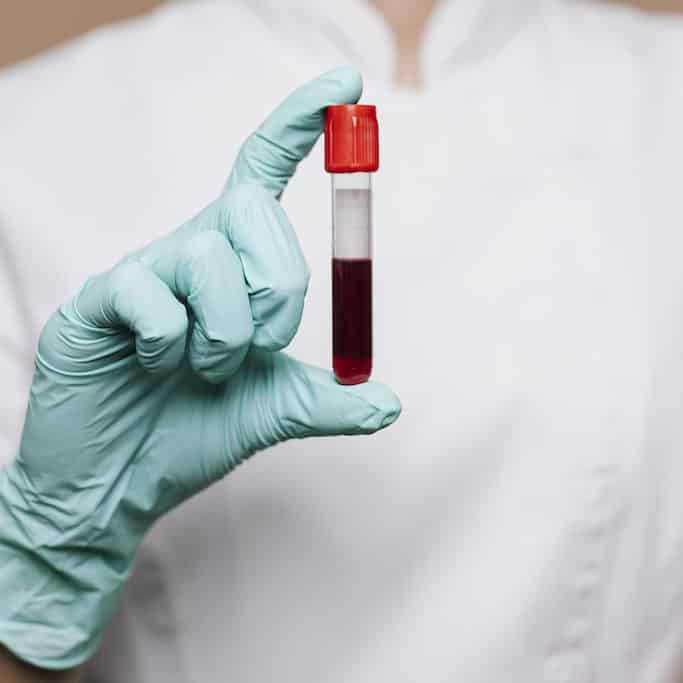
If you are planning a dental implant or bone graft, you may have heard about PRF and PRP, two healing aids made from a small sample of your own blood. At Smyrna Dental Studio in Smyrna, GA, Dr. Raheel Thobhani uses these biological techniques to support recovery after implant surgery and grafting. This guide explains what platelet-rich fibrin (PRF) and platelet-rich plasma (PRP) are, how they differ, the benefits, and what you can expect on the day of treatment.
What is the difference between PRF and PRP?
Same source, different texture and timing
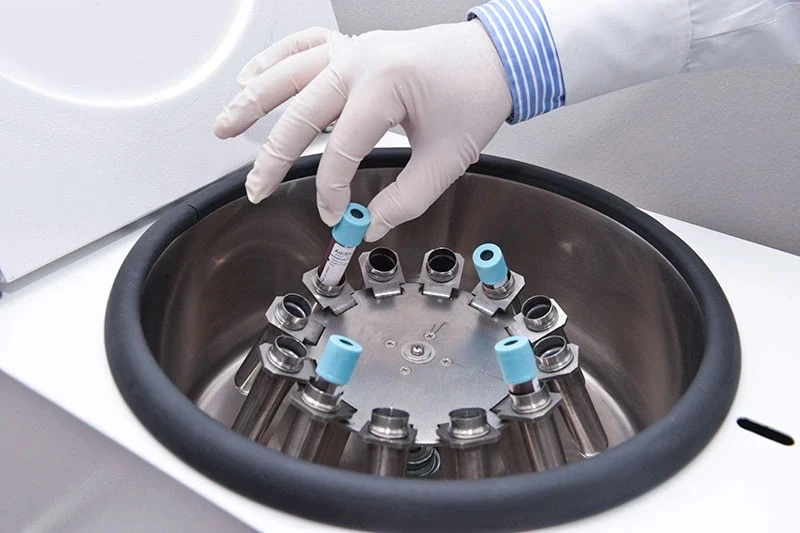
Both PRF and PRP start with a small blood draw that is spun in a centrifuge to separate red blood cells from platelet-rich layers. PRP is a liquid concentrate that usually needs an anticoagulant additive and releases its growth factors in a quick early burst. It is often used to coat an implant surface or hydrate bone graft material.

PRF is spun at a lower speed with no chemical additives, so it forms a soft, gel-like fibrin membrane. That fibrin traps platelets and white blood cells and releases growth factors gradually over several days, which can support healing through the early recovery window. Dr. Thobhani selects the form that suits your procedure, whether that is a single implant or a larger graft.
How does PRF help implant and bone graft healing?
Supporting your body's own repair process
Platelets carry proteins called growth factors that signal nearby cells to repair tissue and build bone. By concentrating those platelets and placing them right at the surgical site, PRF aims to give your body a head start where it is needed most. For implants, healthy bone is what allows the post to fuse, a process called osseointegration.
PRF may also help reduce post-operative swelling and support gum healing around the new implant. Dental implants already show strong long-term outcomes, with reviews reporting survival around 95% at 5 to 10 years (NIH/PMC), and PRF is used to support that healing rather than replace good surgical care. If you are weighing options, our guide on All-on-4 dental implants in Smyrna explains full-arch approaches.
Is PRF used during bone grafting and sinus lifts?
Where biological aids fit in grafting
Yes. PRF is often combined with bone graft material to help hold the graft together and support the new bone as it forms. Some patients need grafting before an implant when the jawbone is too thin, and others need a sinus lift to add bone height in the upper jaw. In these cases, the fibrin membrane can act as a natural scaffold.
Every graft plan is different, and the right approach depends on your scans and exam. To learn more about one common procedure, see our post on sinus lift for dental implants in Smyrna.
What should I expect on the day of treatment?
A simple in-office step
The blood draw feels much like a routine lab test and takes only a moment. Our team draws the sample, spins it in the centrifuge while you get comfortable, and then places the concentrate at your surgical site during the same visit. There are no extra appointments and no waiting on an outside lab.
Afterward, you follow standard implant aftercare: gentle rinsing, soft foods, and the home-care steps your dentist outlines. Costs for implants and any add-on care vary by case and insurance, so an exact price always needs an exam. For general figures, read dental implant cost in Smyrna, GA.



Frequently asked questions
Is the PRF or PRP blood draw painful?
It feels like a standard blood test at your doctor's office. A trained team member draws a small sample in a moment while you get settled for your procedure. Most patients barely notice it.
Are there risks of allergy or rejection with PRF or PRP?
Because the material is made entirely from your own blood, there is no risk of allergic reaction or rejection. It is one of the most biocompatible options available. Your dentist will still review your health history first.
Do I have to use PRF or PRP for my implant to succeed?
No. Implants have strong success rates without it. PRF and PRP are optional aids that may support healing, and they are often suggested for grafting cases or patients who tend to heal more slowly. Your dentist will advise what fits your case.
Does PRF or PRP cost extra?
There is usually an added fee because the technique requires special equipment and chair time. Whether it makes sense depends on your procedure and goals, so ask during your consult. Pricing and any insurance coverage vary by case.
Talk with a Smyrna dentist about your implant healing
PRF and PRP let us use your body's own healing factors to support recovery after implant surgery and grafting. They are aids that work alongside careful planning, not a substitute for it. If you are considering an implant or graft, call Smyrna Dental Studio at (770) 863-0005 to schedule an exam. We serve patients in Smyrna, Vinings, Mableton, and Marietta. This is general information, not a diagnosis. A dentist should evaluate your situation before recommending any treatment.
Reviewed by Dr. Raheel Thobhani, DMD, at Smyrna Dental Studio in Smyrna, GA. Dr. Thobhani focuses on implants, oral surgery, and restorative care for patients across the greater Atlanta area.