What Type of Dental Crown Is Best for Your Tooth?
Quick answer: which crown material fits, not which is "best"
How do you choose between zirconia, porcelain, gold, and e.max?
There is no universally "best" crown. The right choice depends on the tooth's location, your bite force, how visible the tooth is, and your budget. Zirconia tends to fit back molars where strength matters. Porcelain and e.max often fit front teeth where appearance matters most. Gold remains a durable option for heavy grinders.
Crowns are among the most common restorative procedures in dentistry, according to the ADA's MouthHealthy. A dentist should evaluate your tooth before recommending one. For a same-day option, see our guide to CEREC same-day crowns in Smyrna.
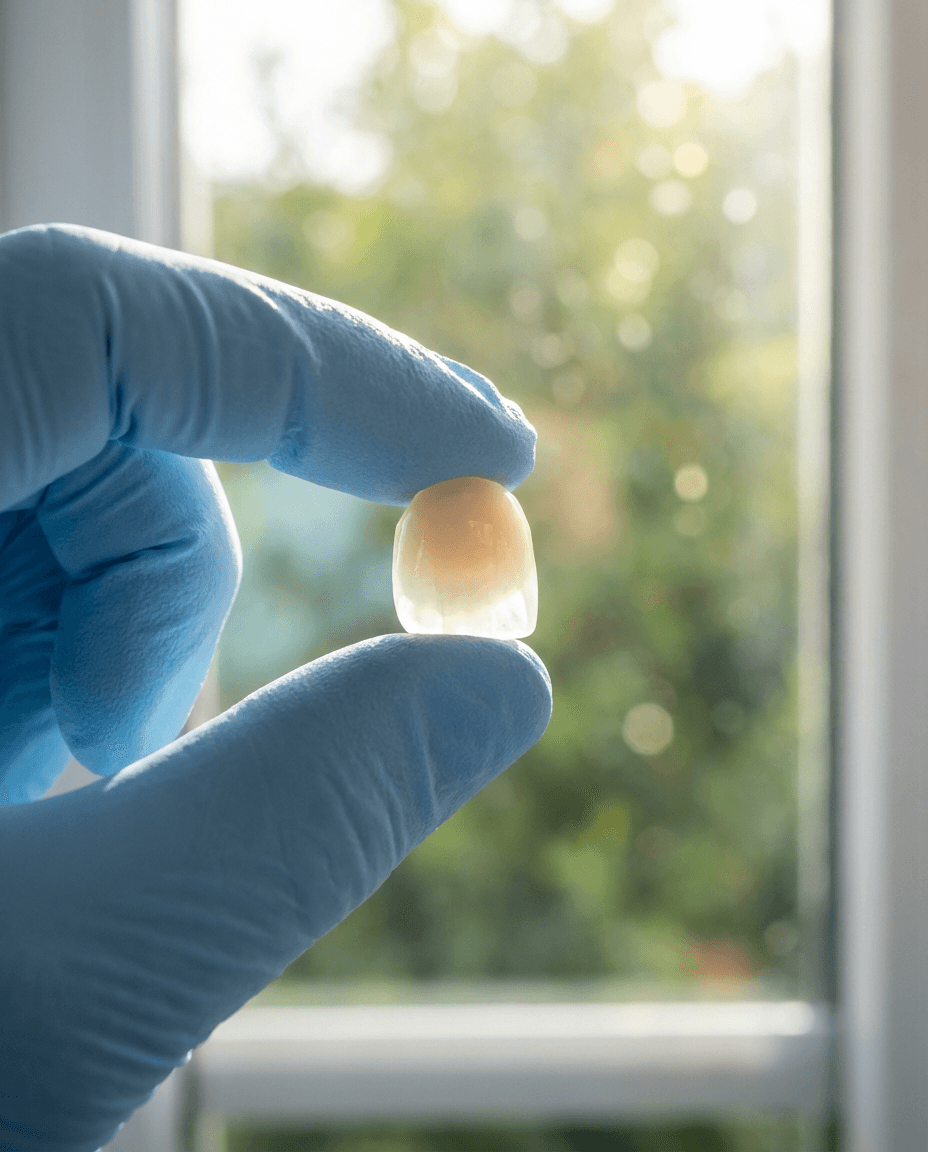
Patients ask which crown material is best almost every week, and it's a fair question with a nuanced answer. The truth is that no single material wins for every tooth. Zirconia, porcelain, gold, and lithium disilicate (e.max) each fit different situations depending on where the tooth sits and how hard you bite. At Smyrna Dental Studio in Smyrna, GA, we help you match the material to your specific need, not to a marketing claim.
Does tooth location change which crown material is right?
Front teeth versus back teeth call for different materials
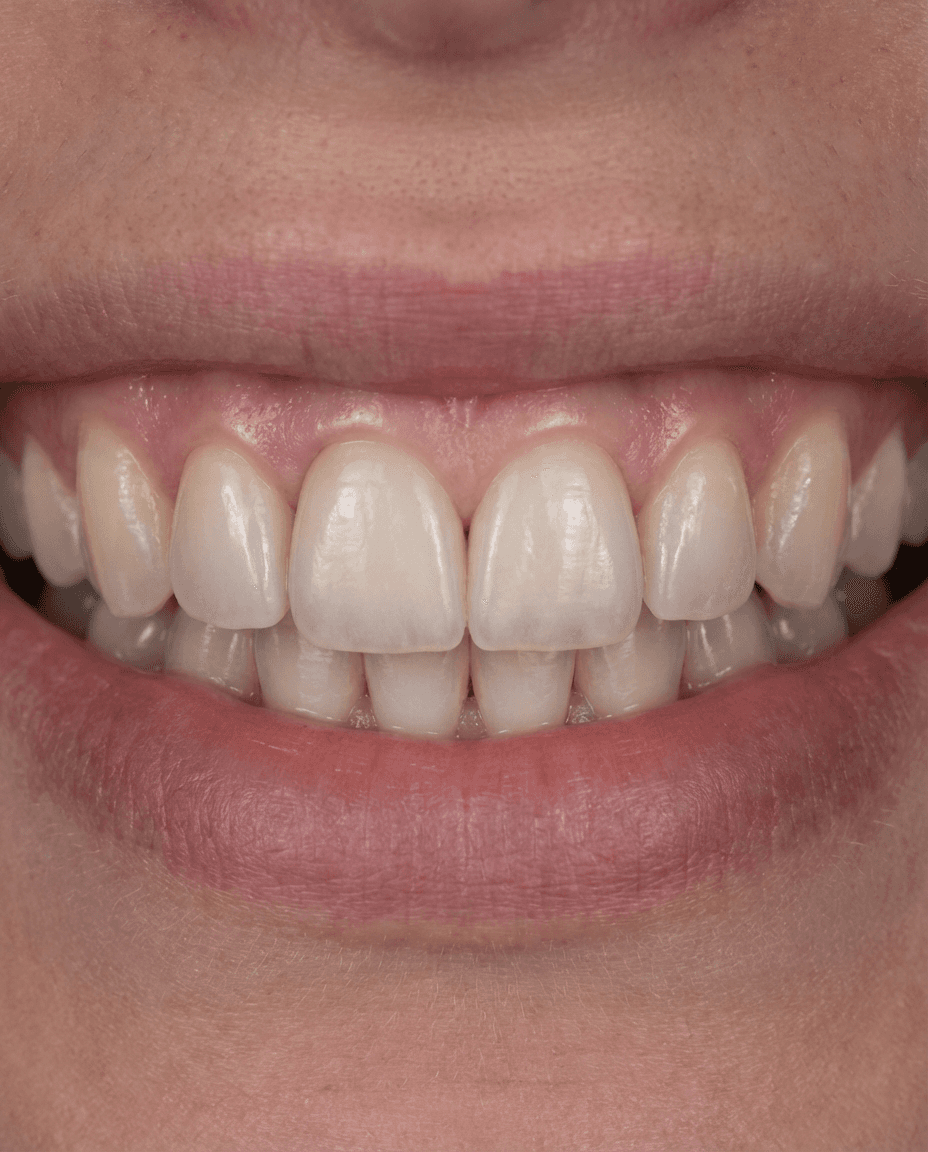
Location is the single biggest factor in choosing a crown. Front teeth are highly visible but absorb gentler chewing forces, so materials that mimic natural enamel usually fit best. Porcelain and lithium disilicate (e.max) crowns are popular here because their translucency blends with surrounding teeth. A skilled lab can match shade and shape closely.
Back molars are a different story. They grind through heavy bite forces every day, so strength outweighs appearance. Zirconia has become a common recommendation for molars because it resists fracture under load. Modern high-translucency zirconia also looks more natural than older versions, which makes it a flexible middle-ground choice for many patients.
What are the real differences between zirconia, porcelain, gold, and e.max?
Each material trades strength for appearance differently
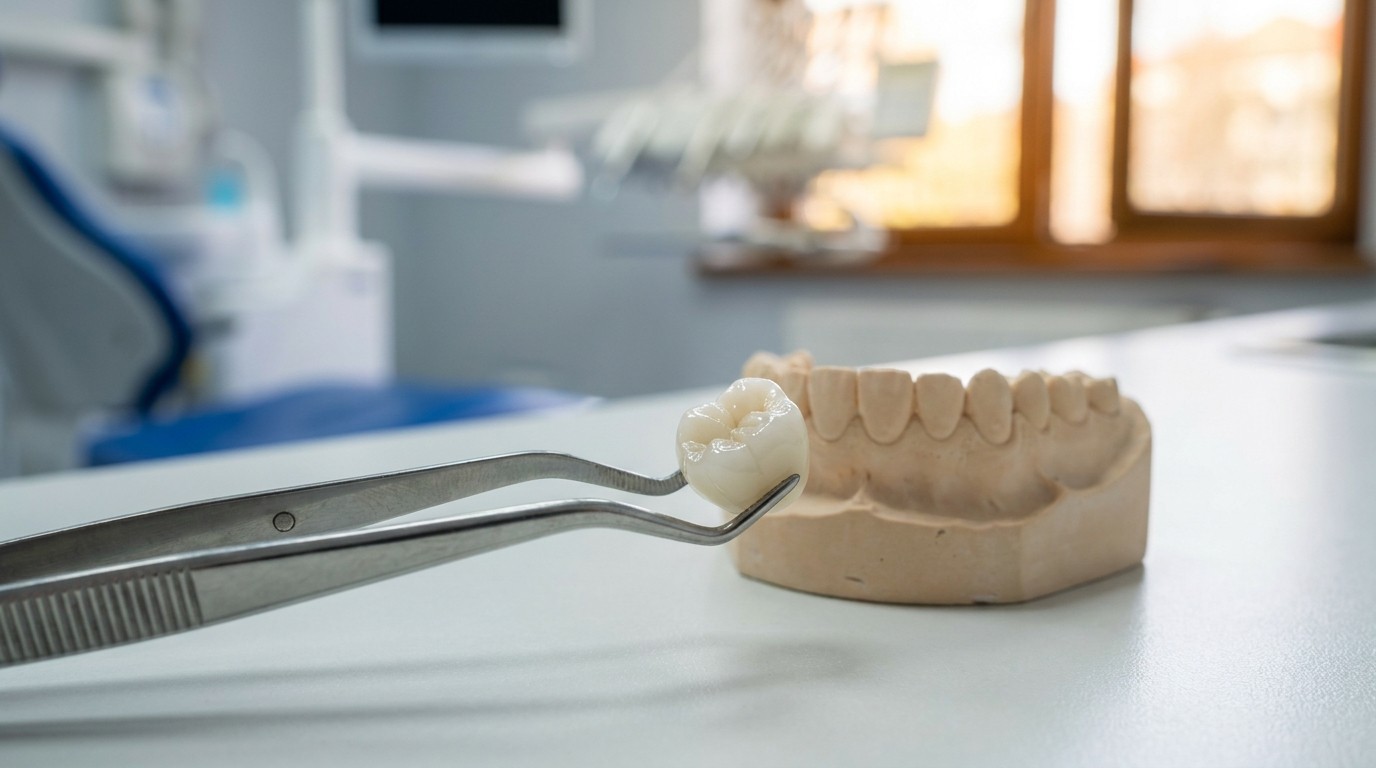
Zirconia is one of the strongest tooth-colored materials, which is why it fits molars and patients who clench or grind. Lithium disilicate (e.max) is a glass ceramic prized for its lifelike look, so it often fits front teeth and cosmetic cases. Porcelain-fused-to-metal (PFM) crowns pair a metal core with a porcelain surface, blending strength with a tooth-colored finish.
Gold and other metal crowns are gentle on opposing teeth and require less tooth reduction during preparation. They rarely chip or fracture, which makes them a practical fit for back teeth where appearance is not a priority. The metal color is the main reason they have become less common for visible teeth, not any loss of durability.
How long do different crown materials last?
Longevity depends on material, bite habits, and home care
Most crowns last many years with good care, and the material influences the range. Metal and zirconia crowns are known for strong long-term durability, while porcelain and e.max can serve front teeth well when biting forces stay moderate. Nightly grinding shortens any crown's life, so a custom night guard is one of the simplest ways to protect your investment.
Daily habits matter as much as the material itself. Regular cleanings, good brushing and flossing, and avoiding chewing ice or hard candy all help. We discuss realistic timelines during your exam, since your bite, gum health, and grinding patterns shape how long a crown will hold up over time.
Which crown gives you the best value for the cost?
Upfront price is not the whole picture
Crown costs vary widely by material, lab, and your insurance, so an exact price always needs an exam. Rather than chasing the lowest sticker price, it helps to think about cost per year of service. A durable crown that lasts a long time can be a better value than a cheaper one that needs earlier replacement. Premature replacement adds unplanned time and expense.
Most dental insurance treats crowns as a covered restorative procedure when they are medically necessary, often paying a share of the cost. Cosmetic upgrades may not be covered. We can review your benefits and financing options so the numbers are clear before treatment. You can also see our general pricing page for context.



Frequently asked questions
Is zirconia always better than porcelain?
Not always. Zirconia is stronger and fits back teeth and grinders well, but high-translucency e.max porcelain often looks more lifelike on front teeth. The right pick depends on the tooth's job and how visible it is.
Will insurance cover my dental crown?
Many plans cover a portion of a crown when it is medically necessary, though purely cosmetic upgrades may not be covered. Coverage varies by plan, so confirm your specific benefits with your insurer before treatment.
Does getting a crown hurt?
The procedure is done under local anesthesia, so you should feel pressure rather than pain. Mild soreness for a day or two afterward is common and usually eases with over-the-counter pain relievers.
Can a crown be placed in one visit?
In many cases, yes. With CEREC same-day technology, a crown can be designed and milled in a single appointment. Learn more in our guide to CEREC same-day crowns in Smyrna.
Do I need a crown after a root canal?
A treated tooth, especially a back molar, often needs a crown to protect it from fracture. Our article on whether you need a crown after a root canal covers when it is recommended.
Find the crown that fits your tooth and your goals
The right crown material is the one that matches your tooth's location, your bite, and your priorities, not a one-size-fits-all label. If you are weighing zirconia, porcelain, gold, or e.max, the clearest next step is an exam so a dentist can see your tooth and explain your options. Call Smyrna Dental Studio at (770) 863-0005 to schedule a consultation. We serve Smyrna, Vinings, Mableton, and Marietta. This is general information, not a diagnosis. A dentist should evaluate your situation before recommending a crown.
Reviewed by Dr. Raheel Thobhani, DMD, at Smyrna Dental Studio in Smyrna, GA. Dr. Thobhani focuses on restorative and implant dentistry and helps patients choose crown materials that fit their needs.