SERVICES
Quick answer: A root canal is a treatment that removes inflamed or infected tissue from inside a tooth, cleans and seals the inner canals, and lets you keep your natural tooth instead of having it removed. At Smyrna Dental Studio, care starts with an exam and X-rays, uses local anesthesia, and usually ends with a filling or crown. Some complex cases may need a referral.
Root canal therapy is a treatment designed to save infected or damaged teeth. At Smyrna Dental Studio, we use modern root canal techniques to remove infection, relieve pain, and help restore your natural tooth’s health and strength.
Key facts
Root canal treatment at a glance
Purpose: removes inflamed or infected pulp so the tooth can often stay in place.
Comfort: the tooth and nearby area are numbed with local anesthesia first.
Visits: often one or two visits, depending on the tooth and the infection, plus a follow-up for the final restoration.
After treatment: a filling or crown typically protects the tooth, and back teeth often need a crown.
May not suit: a tooth too cracked or weak to restore, where extraction can be the better option.
Insurance: dental insurance may cover part of the cost, depending on your plan.

Inside the Tooth: Understanding Root Canal Therapy
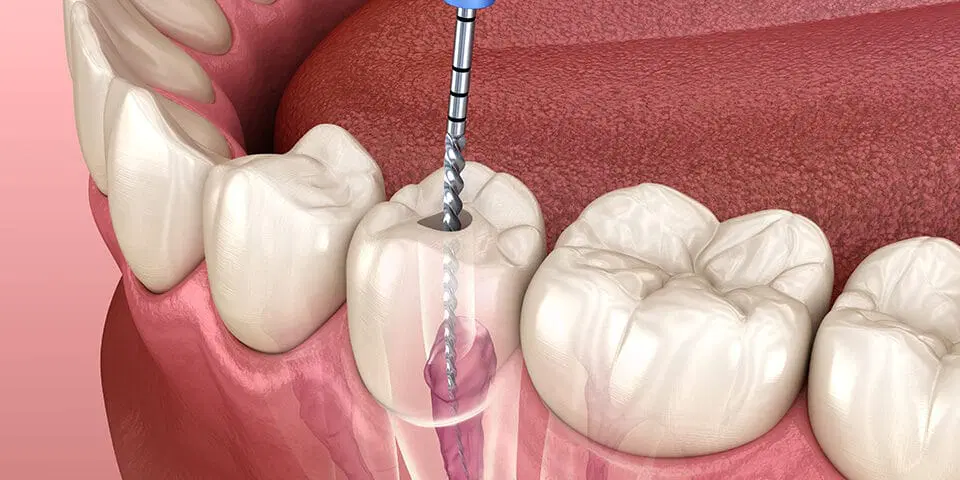
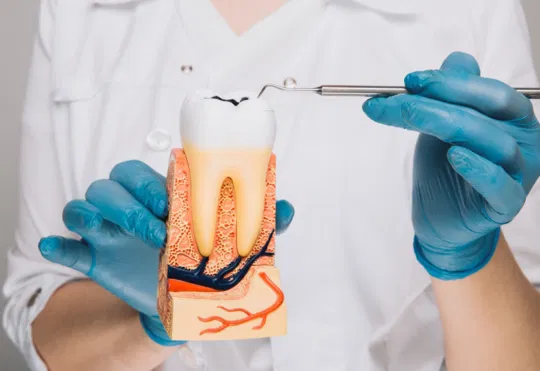
Root canal therapy is a specialized dental procedure used to treat inflammation or infection within the pulp, the soft tissue inside your tooth that contains nerves and blood vessels. When this inner tissue becomes infected due to deep decay, cracks, trauma, or old dental work, it can cause severe pain and put your tooth at risk. Instead of removing the tooth, a root canal allows us to clean out the infected pulp carefully, disinfect the internal canals, and seal the tooth to prevent further issues.
At Smyrna Dental Studio, we use digital imaging, rotary instruments, and local anesthesia to keep treatment precise, efficient, and comfortable. Once the infection is removed, we restore the tooth with a filling or dental crown, allowing it to function naturally for many years.
Who it is for
Who needs a root canal, and who might not?
A root canal is often considered when the pulp, the soft tissue inside a tooth, becomes inflamed or infected. Common causes include deep decay, a crack, an injury, or repeated dental work. Typical signs are lingering sensitivity to hot or cold, pain when you bite, swelling, or a darkening tooth. Only an exam and X-rays can tell whether it is the right fit.
It may not suit a tooth that is cracked below the gumline, has too little healthy structure left, or has lost too much supporting bone. Then we may discuss extraction and replacement. Questions to ask your dentist: Can this tooth be saved? Will it need a crown? What happens if we wait?
Why Root Canals Matter: Essential Benefits for Your Oral Health
Root canal therapy not only stops pain, but it also preserves your natural tooth, preventing the need for extraction and more complex treatments like implants or bridges. By removing infection from inside the tooth, the procedure protects your surrounding teeth and gums from further damage while restoring your ability to chew, speak, and smile comfortably. Unlike extraction, which can lead to shifting teeth and bone loss, a successful root canal maintains the structure of your bite and jaw. With modern techniques, the treatment is often more comfortable than people expect, and it can relieve pain and keep the tooth working.
Your Root Canal Experience: Step-by-Step
Before starting any treatment, our team performs a thorough exam and digital X-rays to understand the extent of the infection and create a personalized treatment plan. Here’s what to expect:
01
Diagnosis & Numbing
We begin with a detailed evaluation, including digital X-rays, to pinpoint the infection. The tooth and surrounding area are then fully numbed to keep you comfortable throughout the procedure.
02
Removing the Infection
A small opening is made at the top of the tooth to access the infected pulp. Using rotary instruments, we carefully remove the damaged tissue and clean the inside of each canal.
03
Disinfecting & Sealing the Canals
Once the canals are fully cleaned, they are disinfected and then filled with a biocompatible sealing material called gutta-percha. This step prevents bacteria from re-entering the tooth and causing future infection.
04
Restoring the Tooth
To protect and strengthen the treated tooth, we place a filling or custom dental crown. This final restoration restores natural function, appearance, and durability.
Cost and insurance
How much does a root canal cost?
The cost of a root canal depends mostly on which tooth is treated. Front teeth usually have simpler canals, while molars often have more canals and take longer. Other factors include how complex the infection is, whether a retreatment or referral is needed, and the restoration that follows, since a crown adds to the total. Smyrna Dental Studio accepts dental insurance, and our team can help you understand your benefits before you start. Coverage varies by plan. For qualifying patients, Cherry financing is available. We also accept cash, checks and major credit cards.
Risks and alternatives
Risks, limits and alternatives
Root canal treatment is common and generally well established, but it has limits. Canals can be narrow or curved, and some infection can remain or return, which may mean retreatment. A treated tooth can also be more brittle, and a crack or new decay can still cause problems later. Temporary soreness is common. If the infection has spread, antibiotics may be prescribed alongside treatment, as the American Dental Association's MouthHealthy site notes.
Alternatives include extraction followed by a dental implant, a bridge or a partial denture, or leaving the tooth untreated, which risks the infection spreading. Smyrna Dental Studio does not offer specialist endodontics. If your case is especially complex, such as unusually curved canals or a tooth that needs retreatment, we may refer you to a specialist.
Recovery and aftercare
What to expect after a root canal
After the numbness wears off, the tooth and the surrounding gums may feel sensitive for a few days. Over-the-counter pain relief is often enough, and your dentist can advise on what is safe for you. Try to chew on the other side until the final filling or crown is in place, since the tooth can be fragile in the meantime.
Keep brushing twice a day and cleaning between your teeth daily. Call us if you notice swelling, pain that worsens instead of easing, a bite that feels uneven, or a temporary filling that comes loose. Plan to return for the follow-up visit, because the final restoration protects the tooth from fracture and reinfection.



FAQs About Root Canal Therapy in Smyrna, GA
Does a root canal hurt?
How do I know if I need a root canal?
How long does the procedure take?
Will I need a crown afterward?
How long does a root canal last?
What happens if I put off a root canal?
Is a root canal better than pulling the tooth?
Could I be referred to a specialist for a root canal?
Everything you need before you book
Related treatments and reading
Relieve Pain & Save Your Tooth Today
Don’t wait for the pain to worsen; our team is here to help. Schedule your root canal consultation at Smyrna Dental Studio and get back to smiling with confidence.