Do Snap-On Veneers Work, and Can You Eat With Them?
Quick answer: do snap-on veneers work?
Snap-on veneers can change how your smile looks for a short time, such as a photo or an event. They are removable covers, not a dental treatment. They do not fix the teeth underneath, they can make eating and speaking harder, and a poor fit can trap plaque against your teeth. A dentist exam first is a smart step.
Snap-on, pop-on, clip-in and press-on veneers all mean a removable cover over your teeth.
Eating with them in is not recommended, because they are not built to handle chewing.
Covers that are not custom made often fit poorly, which can lead to gum irritation and cavities.
They need natural teeth to grip, so they are not a fix for missing teeth.
Porcelain veneers are bonded by a dentist and can last many years, but they are not reversible.

You have seen snap-on veneers all over social media, and you want to know if they really work and whether you can eat with them in. The honest answer is more mixed than the ads suggest. Below, we explain what these removable covers can and cannot do, what the research says, and how they compare with veneers a dentist places. At Smyrna Dental Studio in Smyrna, GA, we hear these questions often.

Do snap-on veneers actually work?
Snap-on veneers work as a cosmetic cover, not as a treatment. They snap over your existing teeth to hide stains, chips or gaps while you wear them. When you take them out, your teeth look the same as before. Cleveland Clinic notes there is little research on removable veneers so far.
What snap-on veneers are
They are thin trays shaped like a row of teeth, usually made of resin, plastic or silicone. Many are sold online as pre-made kits that are not fitted to your mouth. Others are custom made for one person. Cleveland Clinic compares them to retainers, since you can take removable veneers out anytime.
What they can and cannot do
A snap-on cover can make your smile look whiter or more even from a distance. It cannot treat a cavity, gum disease, a cracked tooth or a bite problem underneath. If you want a lasting change, porcelain veneers placed by a dentist are bonded to your teeth and built for daily life.
Can you eat with snap-on veneers?
Eating with snap-on veneers in is generally not recommended. A 2024 study of these products states it is not recommended to eat while using them because they are not durable. Cleveland Clinic also notes that removable veneers can make it difficult to eat. Plan to take them out for meals and put them back in after you clean your teeth.
Why eating is the weak point
The thin material is not built for chewing forces. Food can also get pushed under the cover and sit against your teeth, which raises the risk of cavities and sore gums.
Eating with porcelain veneers is different
Porcelain veneers are bonded to your teeth, so you eat with them like normal teeth, with care around very hard foods. See our guide on eating normally with veneers.
Want this checked? A quick exam can tell you if your teeth and gums are healthy enough for any kind of veneer. Book a visit online or call (770) 863-0005.
Do dentists recommend clip-on veneers?
Most dental sources urge caution, especially with kits bought online. Researchers who studied these products said cosmetic treatment is better done in a dental office by a dentist than as a do-it-yourself project. Cleveland Clinic advises asking your dentist whether removable veneers are safe for you before you try them.
What one study found
A 2024 survey study on fake snap-on veneers asked 466 adults about them. Only 15 had used them, so the numbers are small. Still, about half of those users said the fit was not right, 60 percent said their bite felt uncomfortable, and two out of three would not recommend them.
Risks to know about
Poor fit: covers that are not custom made can feel bulky and look too white or too large.
Gum irritation: edges that rub or trap plaque can leave gums red and sore.
Cavities: food and plaque held against teeth can raise your risk of decay.
Bite and jaw strain: the study notes these covers do not account for jaw position, which may stress the jaw joint.
Speech: Cleveland Clinic notes removable veneers could affect how you speak.
Can you wear clip-in veneers all the time?
Clip-in veneers are not designed to be worn around the clock. The longer a cover sits over your teeth, the longer plaque and food can stay trapped against them, which the research links to cavities and gum problems. No clinical standard sets a safe number of hours, so ask a dentist.
Why your own teeth still need daily care
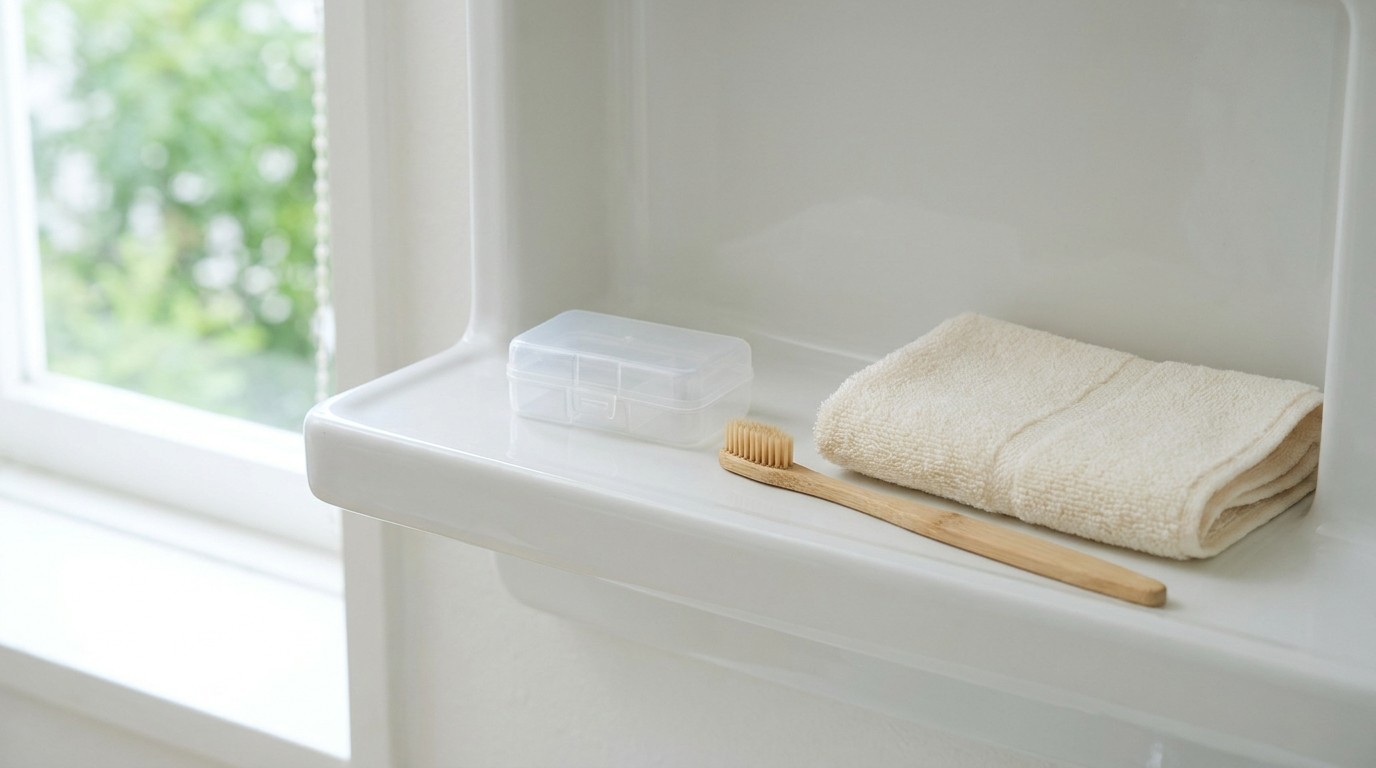
The ADA's MouthHealthy site recommends brushing with fluoride toothpaste twice a day and cleaning between your teeth daily. Brush and floss before you put a cover back in, so you are not sealing plaque against your teeth.
Can you wear pop-on veneers if you have no teeth?
No. Pop-on veneers are removable pieces that fit over your existing teeth, so they need natural teeth to grip. If you have no teeth, or several missing teeth, there is nothing for the cover to hold onto. A cover also cannot replace a missing tooth's root or support chewing the way a real replacement can.
If you are missing teeth, a dentist can talk with you about bridges, dentures or implants.
Are pop-on veneers worth it compared with porcelain veneers?
Pop-on veneers may be worth it for a short-term look, like a single event, if a dentist confirms your teeth and gums are healthy. For a daily, long-term change, porcelain veneers are a dental treatment designed to be eaten with, brushed and flossed like natural teeth. The right choice depends on your goals and your oral health.
How they compare
Snap-on veneers | Porcelain veneers | |
|---|---|---|
What it is | Removable cover | Thin shell bonded to the tooth by a dentist |
Eating | Take out to eat | Eat normally, with care around very hard foods |
Changes your teeth | No enamel removed | A small amount of enamel is removed, not reversible |
How long it lasts | Not well studied | Often 10 to 15 years with care |
What porcelain veneers involve
Your dentist removes a small amount of enamel, takes a scan or impression, and bonds a custom shell made in a lab. The change cannot be undone. Read more about how long veneers last and what affects it.



Frequently asked questions
Do snap-on veneers look real?
Some look natural in photos, but many look bulky or too white up close. The 2024 research paper on these products notes that results can look too white or too large.
How do I clean snap-on veneers?
Follow the cleaning directions that come with your product. Just as important, brush and floss your own teeth before putting the cover back in. In the 2024 study, one of the 15 users did not know the covers needed cleaning and two others skipped it, which lets plaque build up against the teeth.
Do snap-on veneers damage your teeth?
They can, mainly by trapping plaque and food against your teeth and gums. In the 2024 study, some of the 15 users reported tooth sensitivity, cavities or inflamed gums, though these were self-reported and not checked by a dentist. Wearing them for shorter periods, keeping them clean and having a dentist check the fit can lower that risk.
Can snap-on veneers cover white spots or stains?
A cover can hide spots or stains while you wear it, but it does not treat them. Some white spots can improve with treatments a dentist offers. Learn more in our guide on how to get rid of white spots on teeth.
Should I see a dentist before trying snap-on veneers?
Yes, it is a good idea. A dentist can check for cavities, gum disease and bite problems that a cover could hide or make worse. If you clench or grind your teeth, tell your dentist, since grinding can also affect veneers placed by a dentist.
Get an honest opinion on your smile options
Snap-on veneers can be a short-term cosmetic cover, but they are not a treatment, and your teeth and gums still need to be healthy underneath. If you are weighing a cover against a lasting option, our cosmetic dentistry team can examine your teeth and walk you through what fits your goals. You can meet Dr. Natasha Kanchwala, who provides cosmetic dentistry, at a consultation. We welcome patients from Smyrna and nearby areas. Book your visit online or call (770) 863-0005, and our team will help find the earliest visit available. This is general information, not a diagnosis. A dentist needs to examine you to advise on your situation.