What Happens to Dental Crowns After 10 Years? Signs to Watch, When to Replace, and How to Make Yours Last
TLDR (Too Long; Didn't Read)
After 10 years, dental crowns may show wear, marginal gaps, or subtle discoloration, but many last 15-25+ years with proper care. According to the American Dental Association, the average crown lifespan is 10-15 years, though well-maintained crowns routinely exceed that range. Key signs it's time for a replacement include a loose or shifting fit, visible cracks, recurring decay at the margins, or significant aesthetic changes. Routine checkups are the most reliable way to catch problems early. Book your appointment online at Smyrna Dental Studio if your crown is approaching, or past, the 10-year mark.
Your Crown Is 10 Years Old, Should You Be Worried?
It's a fair question. A decade ago, you sat in the dental chair, got a crown placed, and moved on with your life. Now you're wondering whether that restoration is quietly failing or perfectly fine. The honest answer: it depends on the crown material, how well you care for your teeth, and what your dentist sees at your checkups. Most crowns don't fail dramatically, they degrade gradually, and the warning signs are subtle if you know what to look for.
The good news is that many crowns placed 10 years ago are still doing their job well. Research published in the Journal of Prosthetic Dentistry found that porcelain-fused-to-metal crowns showed a survival rate above 90% at 10 years in patients with consistent preventive care. All-ceramic and zirconia crowns have shown comparable or stronger durability in more recent studies. That said, 10 years is a meaningful milestone, it's the right time to take stock.

What Physically Happens to a Crown Over 10 Years?
Crowns don't last forever, no dental material does. Over a decade of chewing, grinding, temperature changes, and daily oral hygiene, several predictable changes occur.
Surface Wear and Material Fatigue
Every time you chew, your crown absorbs mechanical stress. Over 10 years, that adds up to millions of biting cycles. Porcelain can develop micro-fractures and lose its polished surface, making it more susceptible to staining. Zirconia crowns are considerably harder and resist wear well, but the opposing natural teeth may show wear instead. Metal crowns are the most wear-resistant but are rarely placed for visible teeth today.
Marginal Breakdown and Cement Dissolution
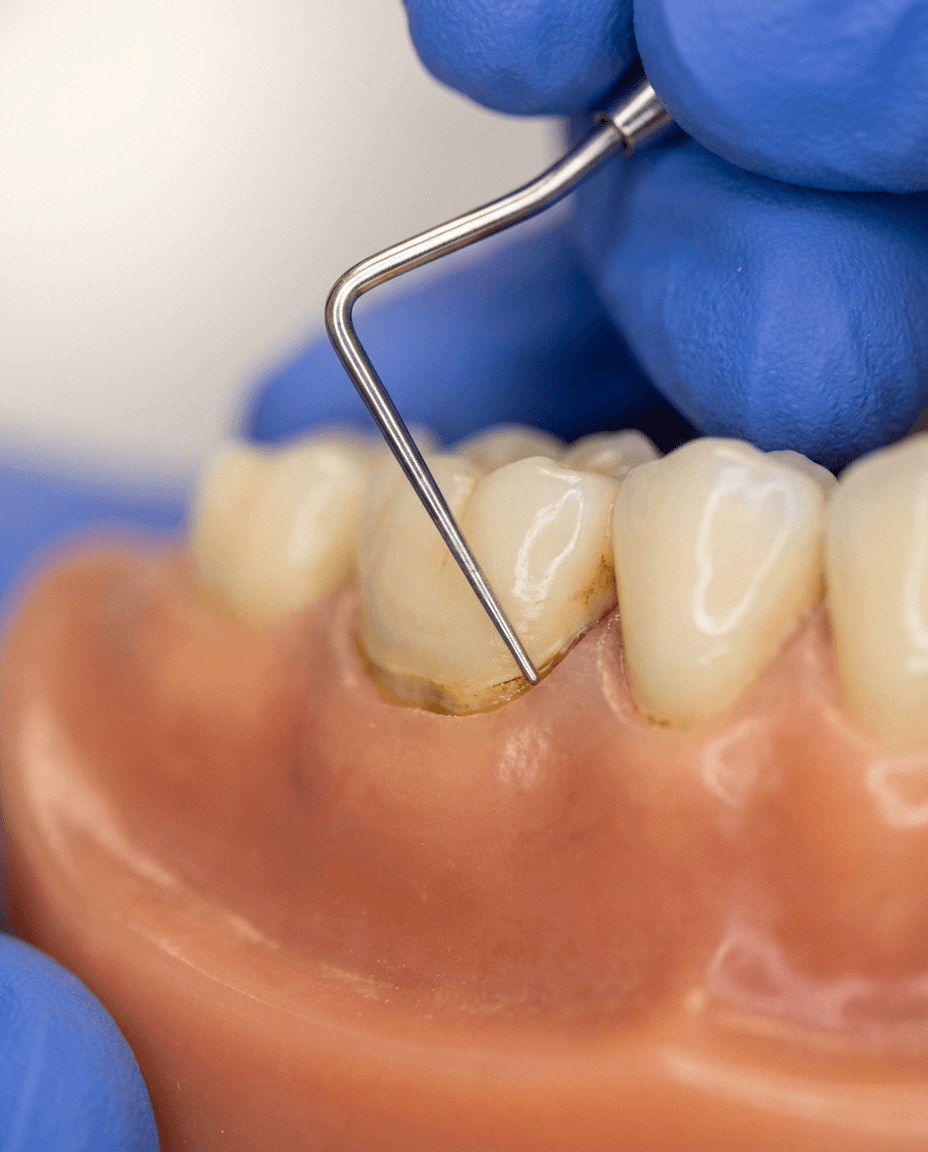
The margin, where the crown meets the tooth, is the most vulnerable zone. Dental cement can dissolve slowly over years, especially with acid exposure from diet or reflux. When the cement seal weakens, a microscopic gap opens. Bacteria colonize that gap, causing secondary decay on the tooth structure beneath the crown. This is one of the most common reasons crowns need replacement after a decade, and it's invisible without X-rays or probing at a checkup.
Gum Recession and Crown Margin Exposure
As the gumline recedes, the lower edge of a crown can become exposed. This reveals the darker tooth root below, creating an aesthetic gap and leaving sensitive root surface unprotected. A 2021 study in the Journal of Clinical Periodontology noted that gingival recession affects up to 50% of adults over 40, making this a realistic concern for any 10-year-old restoration.
How Do You Know If Your Crown Needs to Be Replaced?
Not every aging crown needs immediate replacement. Some show changes that are purely cosmetic; others signal structural or biological failure.
Signs Your Crown Is Probably Fine
If your crown fits snugly, your bite feels even, and your dentist's X-rays show no bone loss or decay at the margins, the crown is likely performing well. Minor surface staining is cosmetic, not clinical. Regular cleanings and annual X-rays are all that's needed to keep monitoring it.
Signs It's Time to Replace Your Crown
Talk to your dentist promptly if you notice: sensitivity or pain when biting, a loose or rocking sensation, visible cracks or chips, a dark line at the gumline on a porcelain-fused-to-metal crown, or recurrent decay detected on X-ray at the crown margin. Waiting too long can mean losing the tooth entirely if decay reaches the root or pulp.
The Role of Crown Material in Longevity
A 2020 systematic review in the International Journal of Prosthodontics found that full-contour zirconia crowns had a 5-year survival rate of 96.7%, compared to 94.4% for porcelain-fused-to-metal and 91.2% for all-ceramic crowns. If your 10-year-old crown is an older all-ceramic design, it may be statistically closer to failure than a contemporary zirconia restoration.
If a crown is nearing the end of its life, replacing it does not have to mean two appointments. Smyrna Dental Studio mills and seats same-day crowns in a single visit.



Frequently Asked Questions About Aging Dental Crowns
Q: How long do dental crowns typically last?
A: Most crowns last 10-15 years on average, per the American Dental Association, but many last 20-30 years with good oral hygiene and regular checkups. Material type, bite habits, and whether you grind your teeth all influence lifespan significantly.
Q: Can a crown fail without causing any pain?
A: Yes, and this is one of the more important things to understand. Marginal decay and cement dissolution often cause no pain in early stages. By the time discomfort appears, the damage may be advanced. That's why X-rays at your annual dental exam are essential for crowns past the 5-year mark.
Q: Does dental insurance cover crown replacement after 10 years?
A: Many dental insurance plans cover crown replacement on a 5-7 year cycle if there is documented clinical need. Some plans require 10 years between replacements for purely cosmetic reasons. Your dentist's office can submit a predetermination to your insurer before treatment so you know what to expect.
Q: What happens to the tooth under the crown if the crown fails?
A: If the crown seal breaks and decay develops underneath, the tooth structure erodes. In mild cases, a new crown is placed after cleaning the decay. In more advanced cases, a root canal may be needed first. Early detection is critical.
Q: Is it possible to whiten a dental crown that has discolored?
A: No. Whitening agents work on natural tooth enamel, not on porcelain or zirconia. If your crown has stained or your natural teeth have lightened around it, the only way to match the shade is to replace the crown.
Common Myths vs. The Truth About Crown Longevity
Myth: If your crown doesn't hurt, it doesn't need to be checked.
Truth: Pain is a late symptom in most crown failures. Secondary decay under a crown, cement dissolution, and early marginal breakdown are all detectable on X-ray long before they cause discomfort.
Myth: A crown protects the underlying tooth from decay permanently.
Truth: A crown covers the visible portion of a tooth but doesn't eliminate decay risk at the margin where crown meets tooth structure. Brushing, flossing, and professional cleanings remain just as important once a crown is in place.
Myth: All crowns need to be replaced at the 10-year mark.
Truth: Ten years is a benchmark, not a deadline. Many crowns are clinically sound well into their second decade. Replacement is indicated by clinical findings, decay, fracture, poor fit, or biological compromise, not by age alone.
The 10-year mark is a smart time to take your crown seriously, not with alarm, but with intention. Most crowns at this age are still working well, and a quick clinical evaluation gives you a clear picture of where yours stands. At Smyrna Dental Studio, Dr. Natasha Kanchwala, Dr. Leslie Patrick, and Dr. Raheel Thobhani provide thorough crown assessments as part of every routine exam, combining digital X-rays and clinical probing to catch marginal changes before they become bigger problems. Whether your crown needs monitoring, a minor adjustment, or full replacement, you'll leave with a specific plan, not vague reassurance. Book your appointment online at Smyrna Dental Studio today.