The Right Time for Veneers: Age, Health & Candidacy
Quick answer: when is the right time for veneers?
It is when your mouth is healthy and your jaw has finished growing
The right time for veneers is when you are in good oral health, your gums are free of disease, your teeth are free of decay, and your facial growth is complete. That usually means your late teens or older. Cosmetically, the right time is when stains, chips, or gaps are bothering you enough to act.
Porcelain is a durable cosmetic option. One review found bonded porcelain veneers had about a 95.5% survival rate at 10 years (NIH/PMC). That longevity is one reason timing the decision well matters.
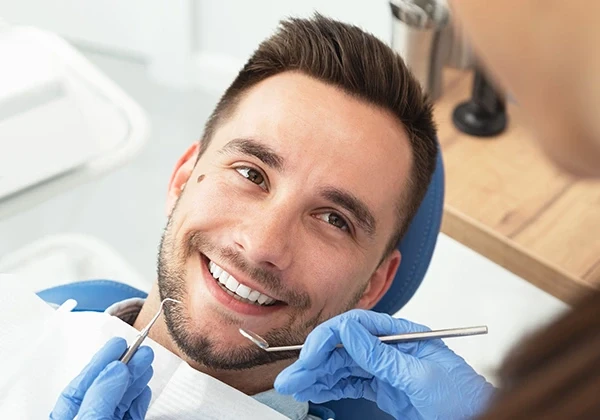
Wondering when the right time for veneers really is? It is one of the most common questions we hear at Smyrna Dental Studio in Smyrna, GA. The honest answer blends two things: your personal smile goals and your clinical readiness. This guide walks through the right age, the right oral health markers, and the signs that tell you that you are a strong candidate for porcelain veneers.
What is the right age to get veneers?
Most dentists wait until growth and bite have stabilized
There is no single right age for veneers, but most dentists prefer patients wait until their late teens or early twenties. By then, facial growth is complete and the bite has settled into a stable adult position. Placing veneers too early risks fit and alignment problems as the jaw keeps changing.
After that point, age is rarely a barrier. As long as your gums and teeth are healthy, veneers can be a fitting option in your 30s, 50s, 70s, and beyond. Our cosmetic team at Smyrna Dental Studio, led by Dr. Natasha Kanchwala, has helped patients of many ages explore a smile makeover. If you are curious how long the result holds up, our guide on how long veneers last breaks it down.
Am I a good candidate for porcelain veneers?
Healthy gums and teeth come before any cosmetic work
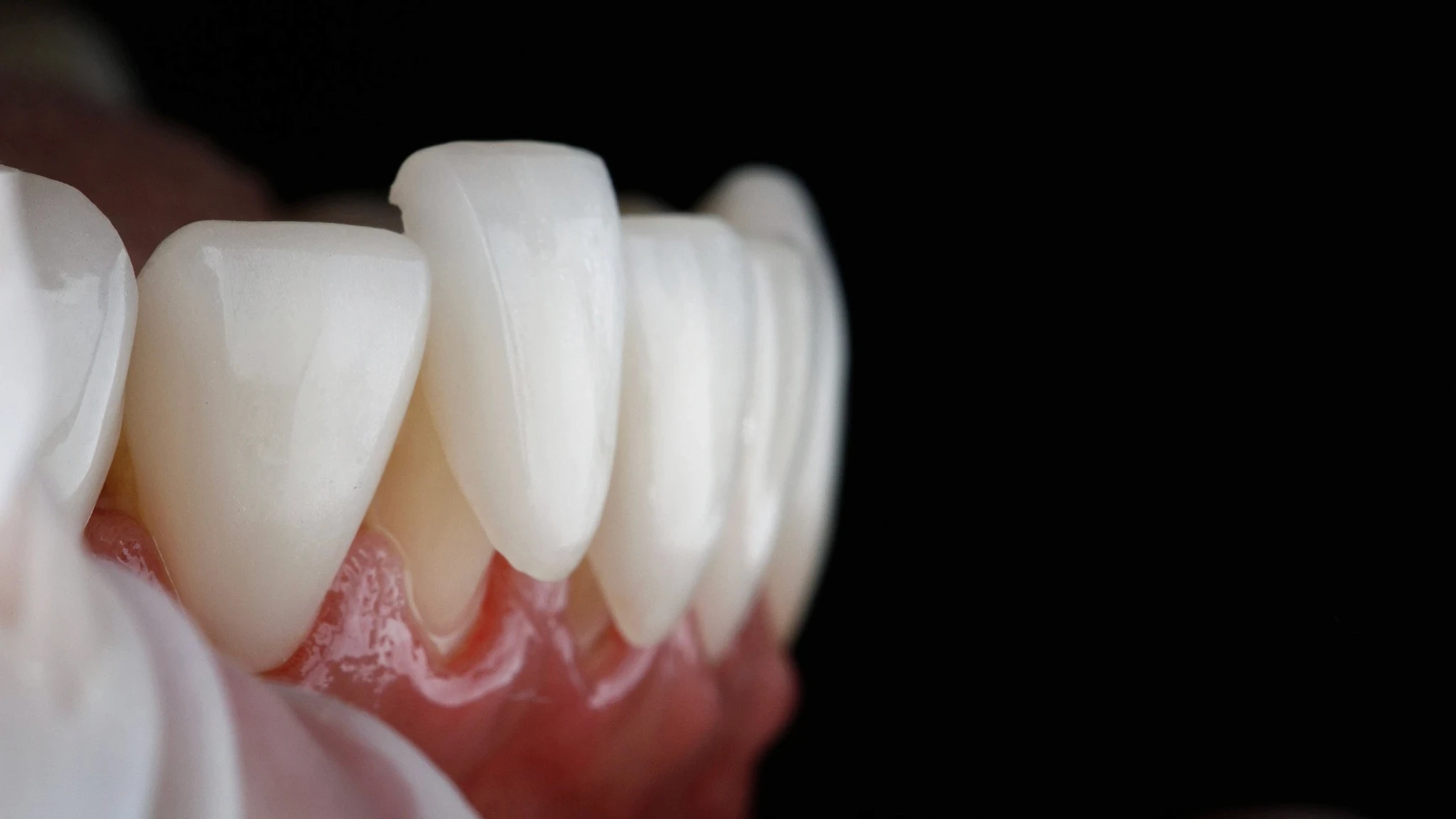
You may be a good candidate for veneers if you are frustrated by deep stains that whitening cannot fix, minor chips or cracks, small gaps, or teeth that look uneven or misshapen. Veneers are thin porcelain shells bonded to the front of your teeth, and they can address several of these issues at once.
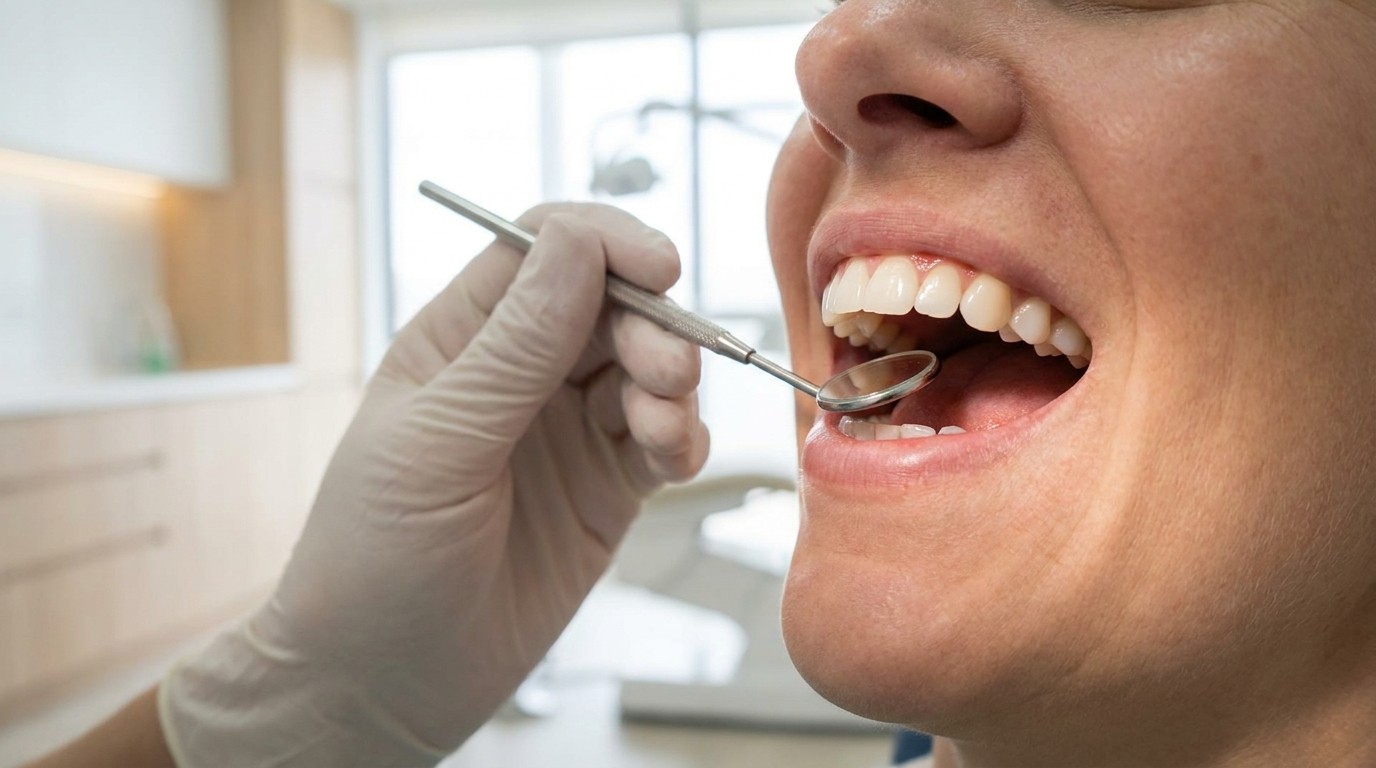
The non-negotiable first step is a healthy foundation. Active gum disease, untreated cavities, and major structural damage all need to be handled before veneers go on. In some cases a tooth needs more coverage and a crown is the better fit, which we compare in veneers vs crowns. A short exam tells us whether your mouth is ready.
Should I straighten my teeth before getting veneers?
It depends on how much your teeth are out of line
For very minor crookedness, veneers can sometimes create the look of straighter teeth, an approach occasionally called instant orthodontics. For more noticeable alignment issues, clear aligners or Invisalign first is usually the wiser route. Straightening teeth before veneers lets us remove less enamel and build a healthier, more stable result.
This is a conversation worth having at your consultation. Sometimes a few months of aligners changes the whole treatment plan, and sometimes it does not. When the goal is conservative preparation, alignment first often wins. Keep in mind that exact timelines and costs always depend on your specific case.
Are veneers permanent, and what is the commitment?
The process is irreversible, so timing matters
Getting veneers involves removing a very thin layer of enamel so the shells fit naturally, and that step cannot be undone. Once you have veneers, the teeth underneath will always need to be covered. The right time for veneers is when you feel ready for that long-term commitment, not when you feel rushed.
For smaller, less permanent fixes, dental bonding can be a gentler starting point, which we compare in bonding vs veneers. Cost is part of timing too. Veneers commonly average around $1,765 per tooth, with a range of roughly $500 to $2,895 (CareCredit). Your exact number depends on how many teeth you treat and needs an exam to confirm.




Frequently asked questions
Can you get veneers at any age?
Generally yes, once facial growth is complete. Most dentists prefer to wait until the late teens or early twenties so the bite is stable. After that, healthy gums and teeth matter far more than age, and patients in their 60s and 70s often get veneers.
Do I need to whiten my teeth before veneers?
Sometimes. Porcelain veneers do not change color the way natural enamel does, so if you want any non-veneered teeth lighter, whitening usually happens first. Your dentist matches the veneer shade to your goal smile afterward. An exam helps decide the order.
Is my dislike of my smile a good enough reason for veneers?
Yes. Wanting to feel more confident about your appearance is the most common reason people pursue cosmetic dentistry. If your smile is holding you back and your mouth is healthy, that is a reasonable time to explore your options at a consultation.
How much does a full set of veneers cost?
It varies widely with the number of teeth and the materials used. Per-tooth averages run around $1,765, with a broad range (CareCredit). For a fuller picture of a multi-tooth plan, see our smile makeover cost guide. An exact quote needs an exam.
Find the right time for your smile in Smyrna
The right time for veneers lines up your personal goals with a healthy, stable mouth. The clearest way to know is a cosmetic consultation, where a dentist can evaluate your gums, teeth, and bite and walk you through your options. If you are in Smyrna or nearby Vinings, Mableton, or Marietta, our team is happy to help you explore whether now is your moment. Call (770) 863-0005 to schedule an exam. This is general information, not a diagnosis, and a dentist should evaluate your situation before any treatment.
Reviewed by Dr. Natasha Kanchwala, DMD, at Smyrna Dental Studio in Smyrna, GA. Dr. Kanchwala provides cosmetic and general dental care, including porcelain veneers, whitening, and smile makeovers, for patients across the greater Atlanta area.