
What Disqualifies You From Getting Dental Implants?
Quick answer: most disqualifiers are temporary
What rules someone out, and what can be fixed?
The most common reasons people are turned down for implants are insufficient jawbone, uncontrolled diabetes, active gum disease, heavy smoking, and certain medications. The encouraging part is that many of these are reversible. Bone grafting can rebuild lost bone, blood sugar can be stabilized, and gum infection can be treated before implant surgery.
A true permanent disqualification is uncommon. More often, a "no" today simply means "not yet," with a timeline to become a candidate.
If a dentist told you that you cannot get dental implants, that answer is rarely final. At Smyrna Dental Studio in Smyrna, GA, we hear the same worry every week: that bone loss, diabetes, smoking, or a medication permanently rules implants out. In most cases it does not. This guide walks through what actually disqualifies you from getting dental implants, and how many of those reasons are temporary problems with a clear path forward.
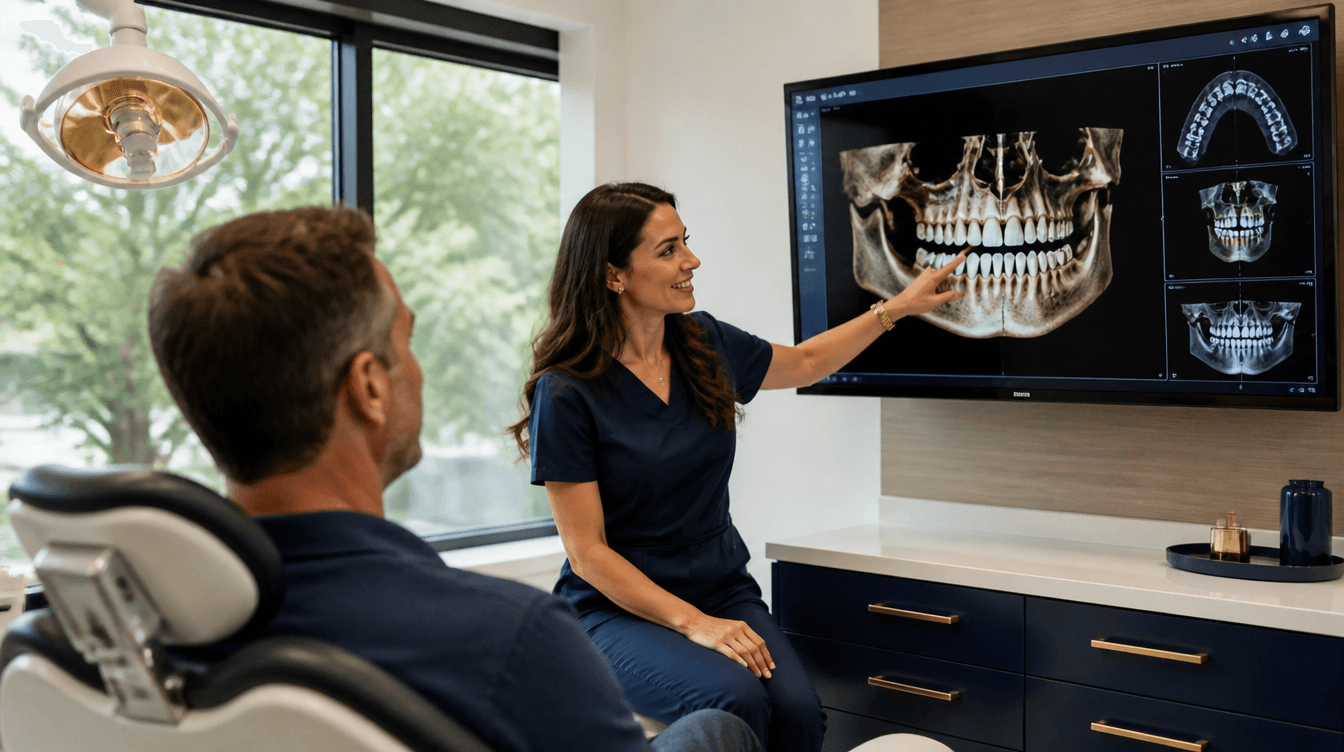
What disqualifies you from getting dental implants?
The main factors a dentist screens for
Implants need healthy bone and healthy healing to fuse and last. So the factors that disqualify patients usually fall into four groups: not enough jawbone, systemic health issues like uncontrolled diabetes, active gum disease, and lifestyle or medication factors such as heavy smoking or high-dose bone medications. Most of these are evaluated together, not in isolation.
At Smyrna Dental Studio, Dr. Raheel Thobhani reviews each of these factors during your exam and imaging. The goal is to find out whether a reason for "no" is fixable, and how long that fix would take. If you want to compare your options, our guide to dental implant alternatives in Smyrna covers what to consider if implants are not the right fit right now.
Can you get implants if you do not have enough jawbone?
Why bone loss is the most common disqualifier
When a tooth has been missing for years, the jawbone underneath shrinks and may no longer have the height or width to anchor an implant. This is the most frequent reason patients are told they do not qualify at first. It is also one of the most fixable.
Bone grafting can rebuild lost bone over several months, after which many patients become candidates. We use 3D cone beam imaging to measure bone height and width precisely, so you learn on day one whether grafting is needed and how much.
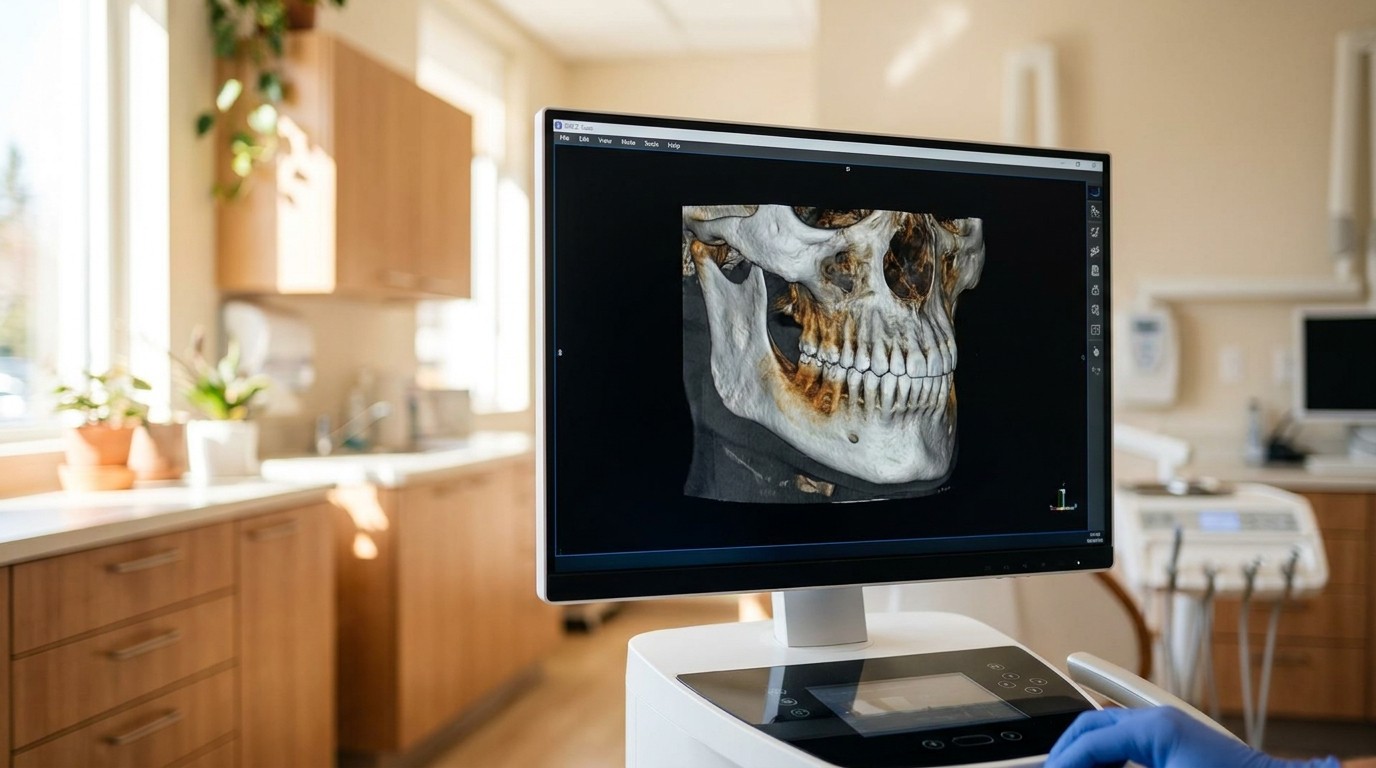
For some upper-jaw cases, a sinus lift adds bone height beneath the sinus so an implant has enough support. You can read more in our overview of sinus lifts for dental implants in Smyrna. If bone loss is widespread, full-arch options like All-on-4 implants can sometimes use the bone you still have, avoiding extensive grafting.
Does uncontrolled diabetes mean you cannot get implants?
Why blood sugar control matters more than the diagnosis
Diabetes alone is not an automatic disqualifier. The concern is uncontrolled diabetes, because high blood glucose slows the bone healing that implants depend on. When blood sugar is well managed, implant outcomes are much closer to those of patients without diabetes.
For patients whose numbers are not yet controlled, this is usually a temporary delay rather than a permanent "no." We coordinate with your physician so that once your levels are stable, you can move forward. The same idea applies to other systemic conditions: stability and good healing capacity matter more than the label on the condition.
Can you get dental implants with gum disease or while smoking?
The two factors most within your control
Active gum disease is a real disqualifier because the same bacteria that destroyed bone around your natural teeth can attack bone around an implant. About 47% of US adults over 30 have some form of periodontal disease, according to the CDC, so this comes up often. Implants are placed only after the infection is treated and the gums are stable.
Heavy smoking is the other big one. Nicotine restricts blood flow to the surgical site, which raises the risk of failed healing. Smoking does not permanently disqualify you, but quitting or cutting back before and after surgery meaningfully improves your odds. Our team will coach you through that window so your implant has the best chance to heal well.
Which medications can rule out dental implants?
The drugs that need a closer look
Certain medications need careful review before implant surgery. High-dose intravenous bisphosphonates, used for severe osteoporosis or some cancers, can raise the risk of jaw healing problems and are a serious concern in select cases. Recent chemotherapy and immune-suppressing drugs also need case-by-case evaluation.
This does not mean every patient on these medications is automatically disqualified. It means we coordinate with your physician or oncologist to weigh the risks before deciding. Bring a current medication list to your consultation so nothing is missed during planning.
How many implant disqualifications can actually be reversed?
Turning a "not yet" into a "yes"
Most patients we evaluate are not permanently ruled out. Bone can be grafted, blood sugar can be controlled, gum disease can be treated, and smoking can be reduced before surgery. Each of these has a typical timeline, and we put that timeline in writing so you know exactly what stands between you and an implant.
Cost is often the next question once eligibility is settled. Implant pricing varies with how many teeth are involved and whether grafting is needed, so an exact price always needs an exam. Our breakdown of dental implant costs in Smyrna explains the ranges and the factors that move them. If you are weighing a full arch, comparing full-mouth implants vs dentures can help you plan.



Frequently asked questions
Can I still get implants if I have diabetes?
Often, yes, if your diabetes is well controlled. Stable, well-managed blood sugar puts your healing closer to that of a patient without diabetes. Uncontrolled diabetes is usually a temporary delay, not a permanent disqualifier, until your numbers improve.
Does smoking permanently disqualify me from implants?
No. Heavy smoking lowers success rates because nicotine restricts blood flow during healing. Quitting or cutting back before and after surgery improves your odds significantly. We help patients plan that timeline around the procedure.
What if I do not have enough jawbone for an implant?
Bone grafting can rebuild lost jawbone over several months, after which many patients qualify. We use 3D cone beam imaging to measure the exact bone deficit and plan grafting precisely. A sinus lift can add upper-jaw bone height when needed.
Are there age limits for dental implants?
There is a lower limit because jaw growth must be complete, generally in the late teens. There is no fixed upper limit for healthy adults. Overall health and healing capacity matter more than your age in years.
If I am temporarily disqualified, how long until I can get implants?
It depends on the reason. Bone grafting, gum disease treatment, and blood sugar control each have their own timeline, often a few months. We give you a written plan at your consultation so the path forward is clear.
Find out if implants are an option for you
For most people told they do not qualify, the real next step is asking why and what the timeline is to fix it. Many patients who become great implant candidates started with a temporary hurdle like bone loss, uncontrolled diabetes, or gum disease, and worked through it with a clear plan. To find out where you stand, call Smyrna Dental Studio at (770) 863-0005. We serve Smyrna and nearby Vinings, Mableton, and Marietta. This article is general information, not a diagnosis. A dentist should evaluate your situation before any treatment decision.
Reviewed by Dr. Raheel Thobhani, DMD, at Smyrna Dental Studio in Smyrna, GA. Dr. Thobhani focuses on dental implants, oral surgery, and full-arch restorative care for patients across the greater Atlanta area.